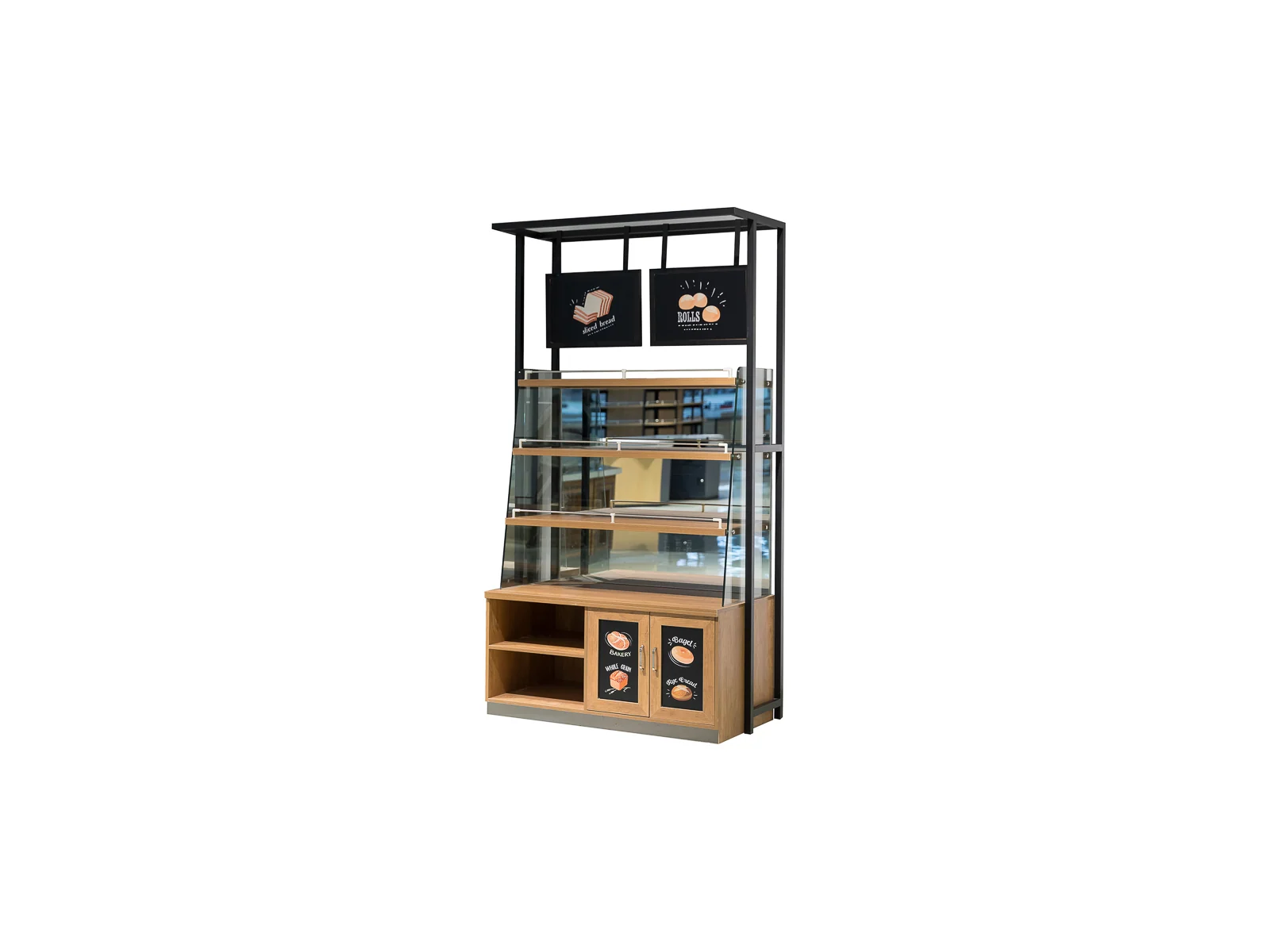
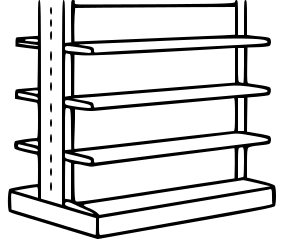
Angled Shelf
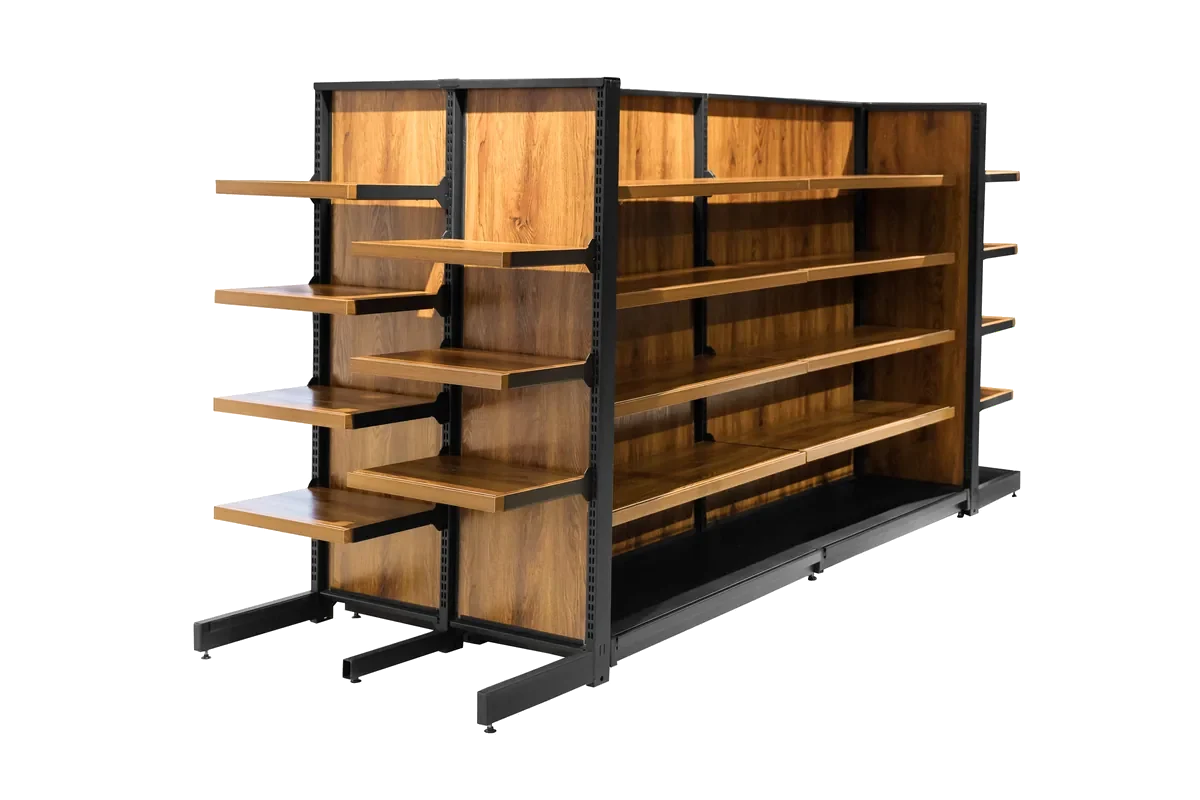
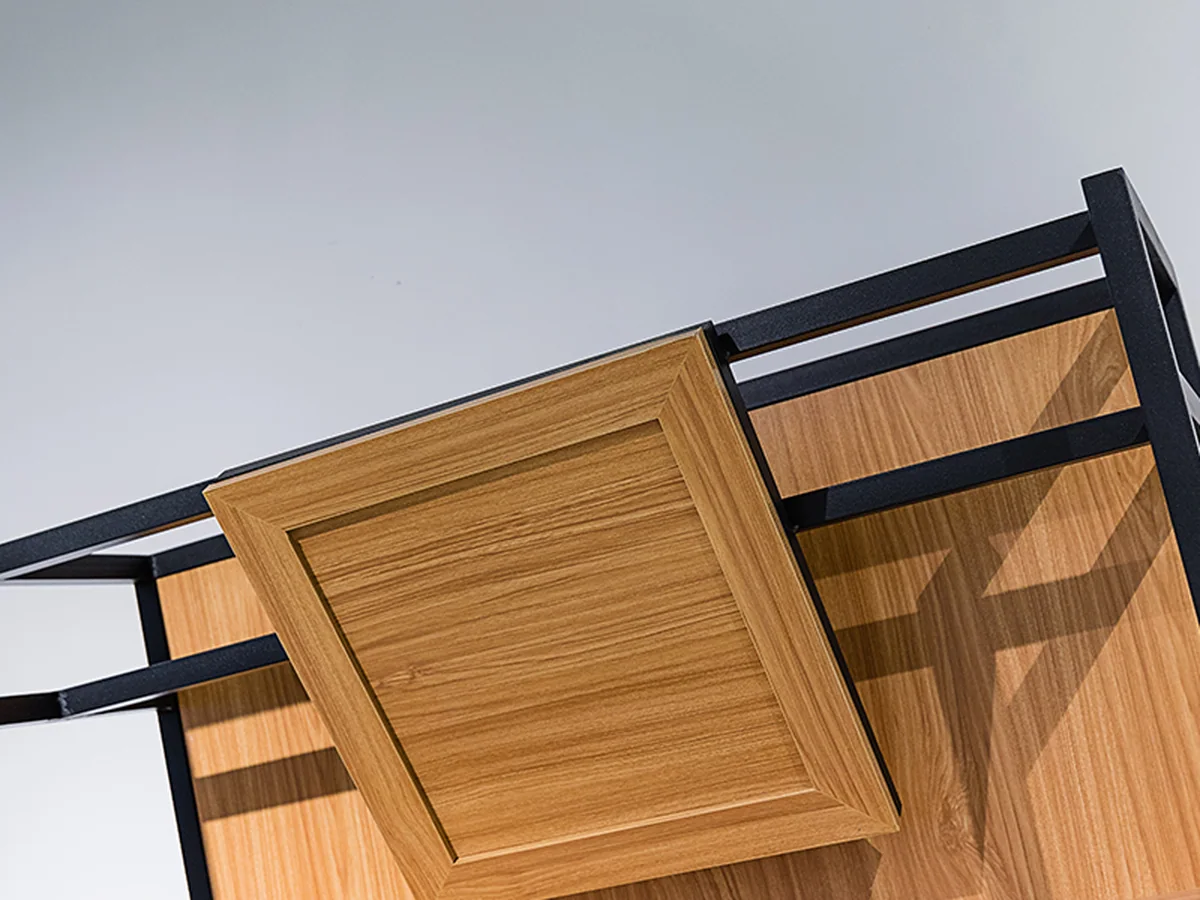
Rear of the shelf visible
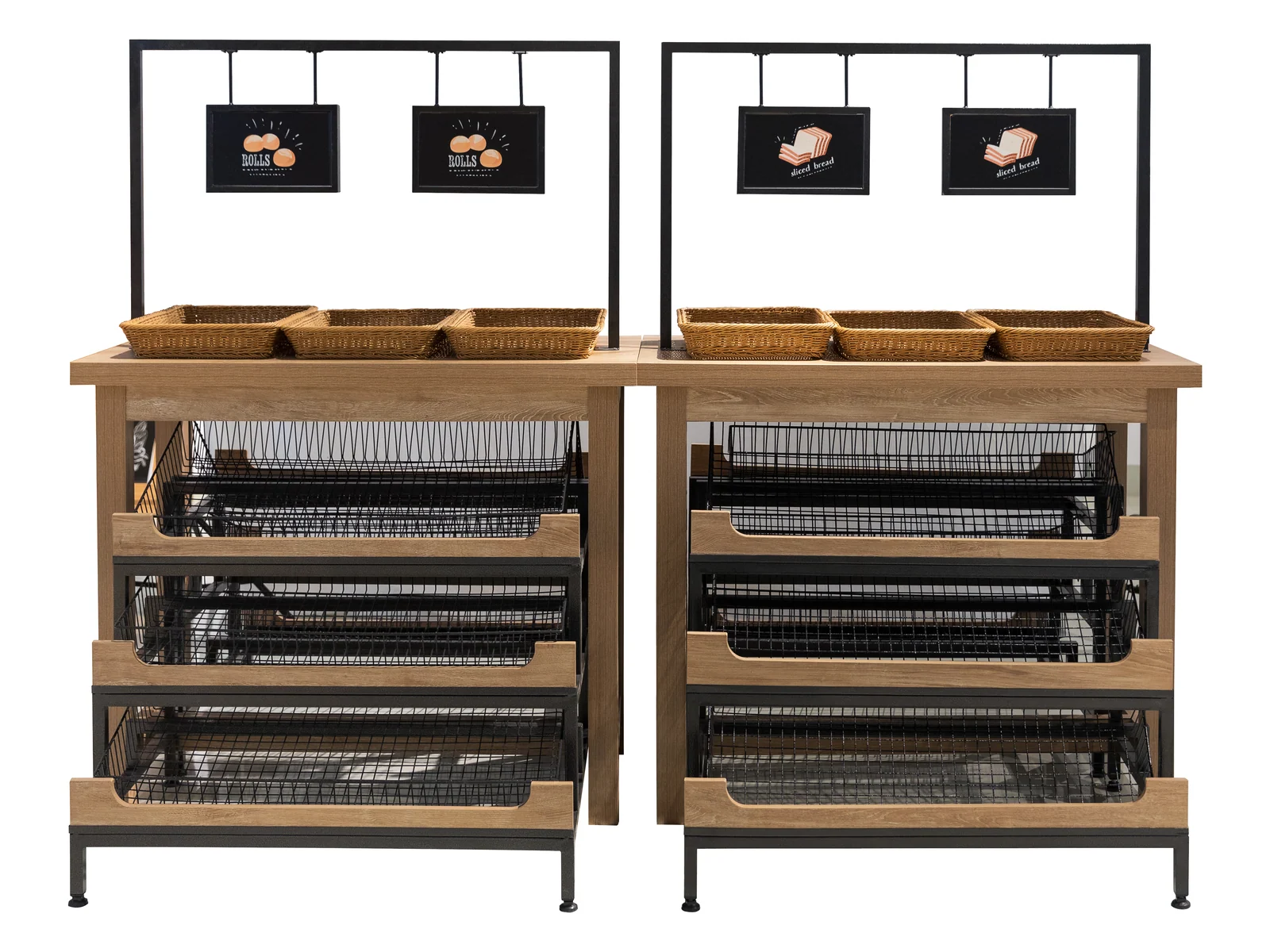
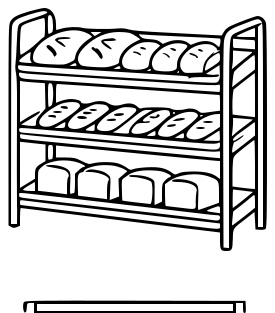
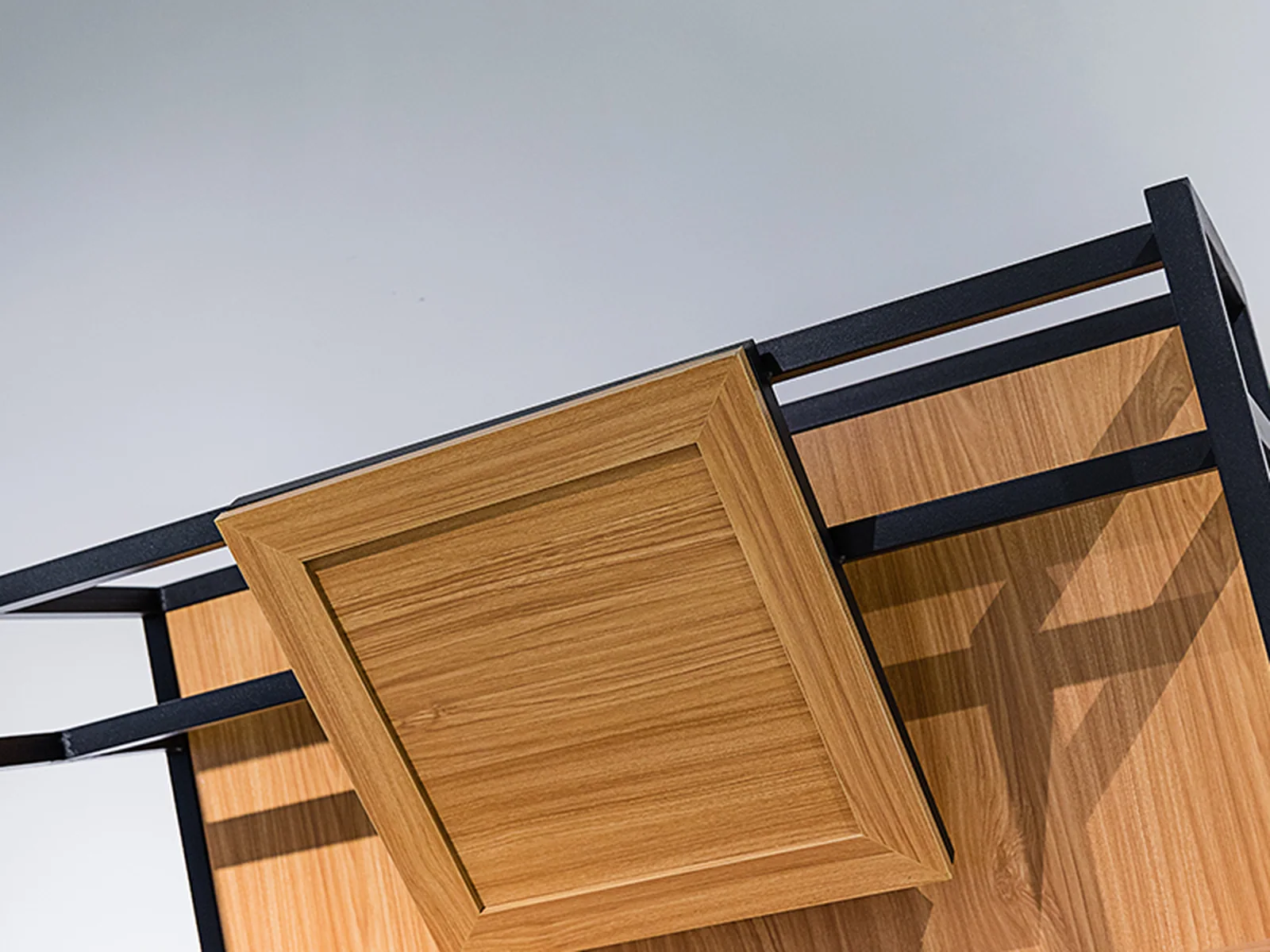
Every shelf is angled forward. On a narrow rack the shelves are deep relative to their width, and a flat one hides its back half from anybody standing in front of it.
Narrow footprint · angled shelves · no counter needed
A bread rack for stores that have no room for a bakery counter. Narrow footprint, angled shelves, and it stands in a run of shelving rather than needing a department of its own.
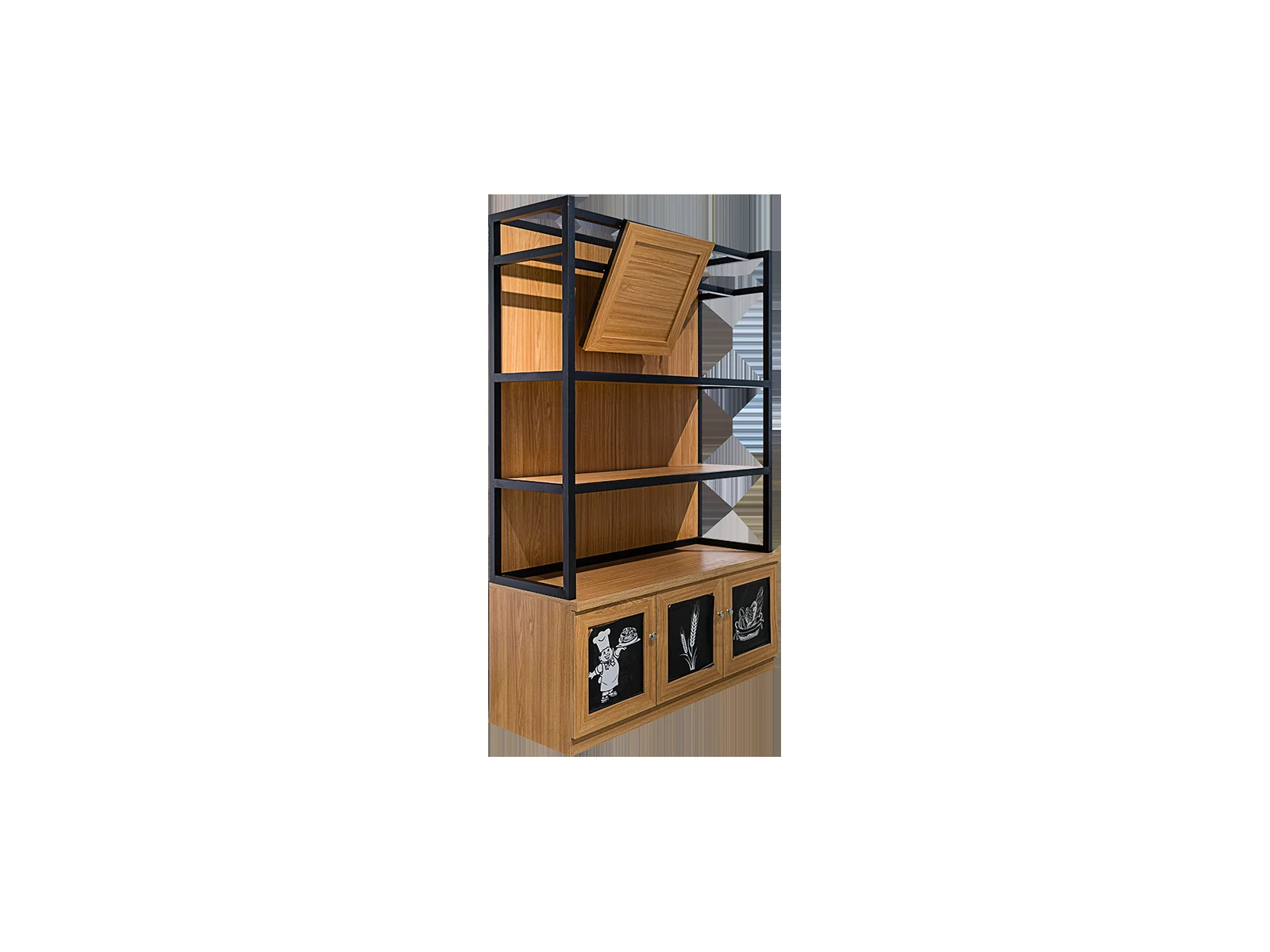
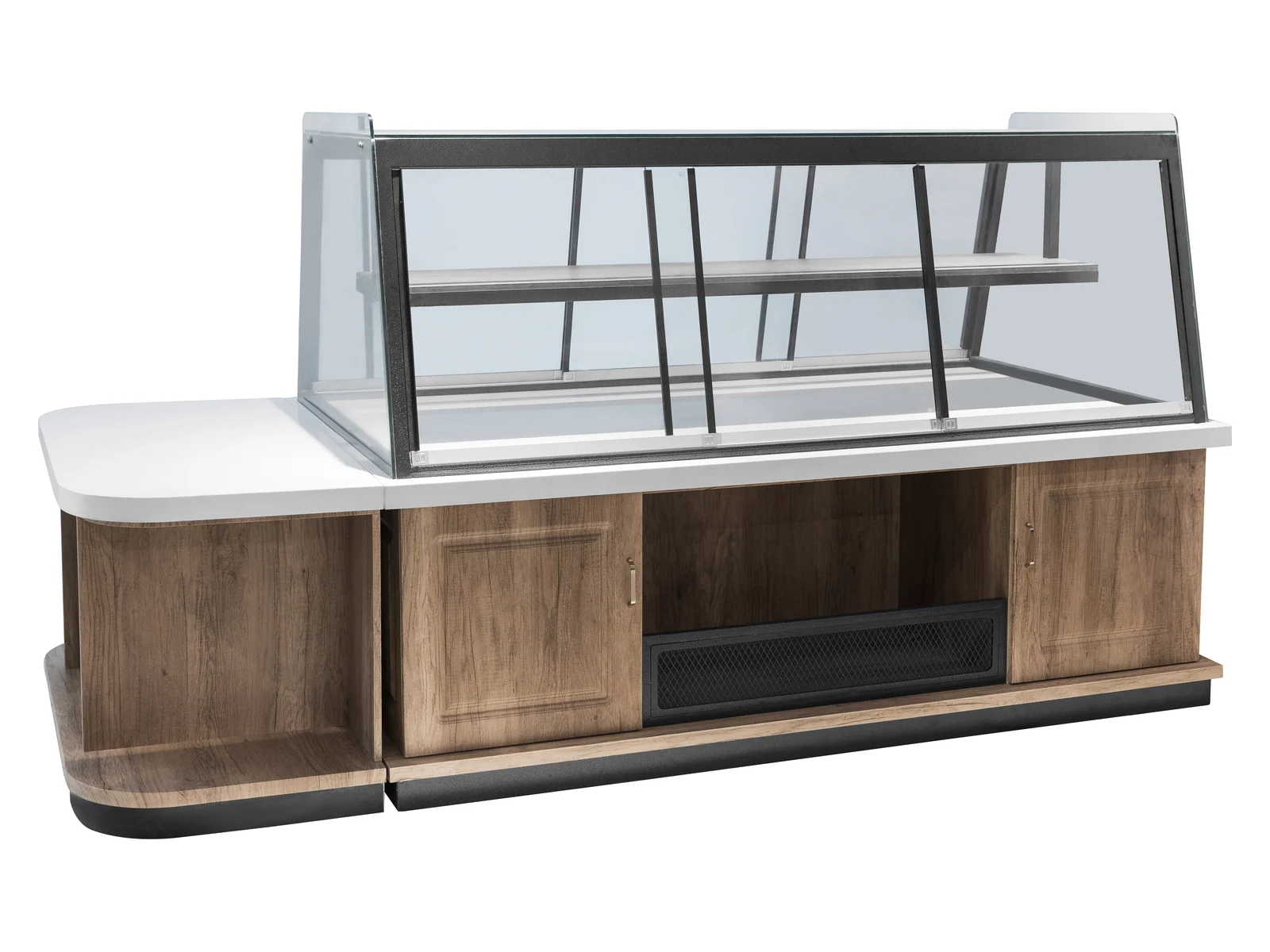
Studio angles on white. The angled shelf, the frame, the narrow footprint and the base are photographed below.
A bakery counter needs a staff side, and a staff side needs a metre of floor that a small store does not have. This rack is the alternative: a narrow-footprint unit with angled shelves that stands in a shelving run and is served from the front like everything else in the aisle.
The angle is what makes it work. On a narrow rack the shelves are deep relative to the width, so a flat shelf hides its back half completely. Angling every shelf brings the rear loaves into view and turns a compromise fixture into a usable one.
A bread rack for stores that have no room for a bakery counter. Narrow footprint, angled shelves, and it stands in a run of shelving rather than needing a department of its own.
Supermarkets, convenience stores, chain retail and speciality stores. Tell us the store format and the floor area and the specification comes back written against them.
A narrow fixture has fewer parts, so each one carries more weight. These four are all of them.
Rear of the shelf visible
Every shelf is angled forward. On a narrow rack the shelves are deep relative to their width, and a flat one hides its back half from anybody standing in front of it.
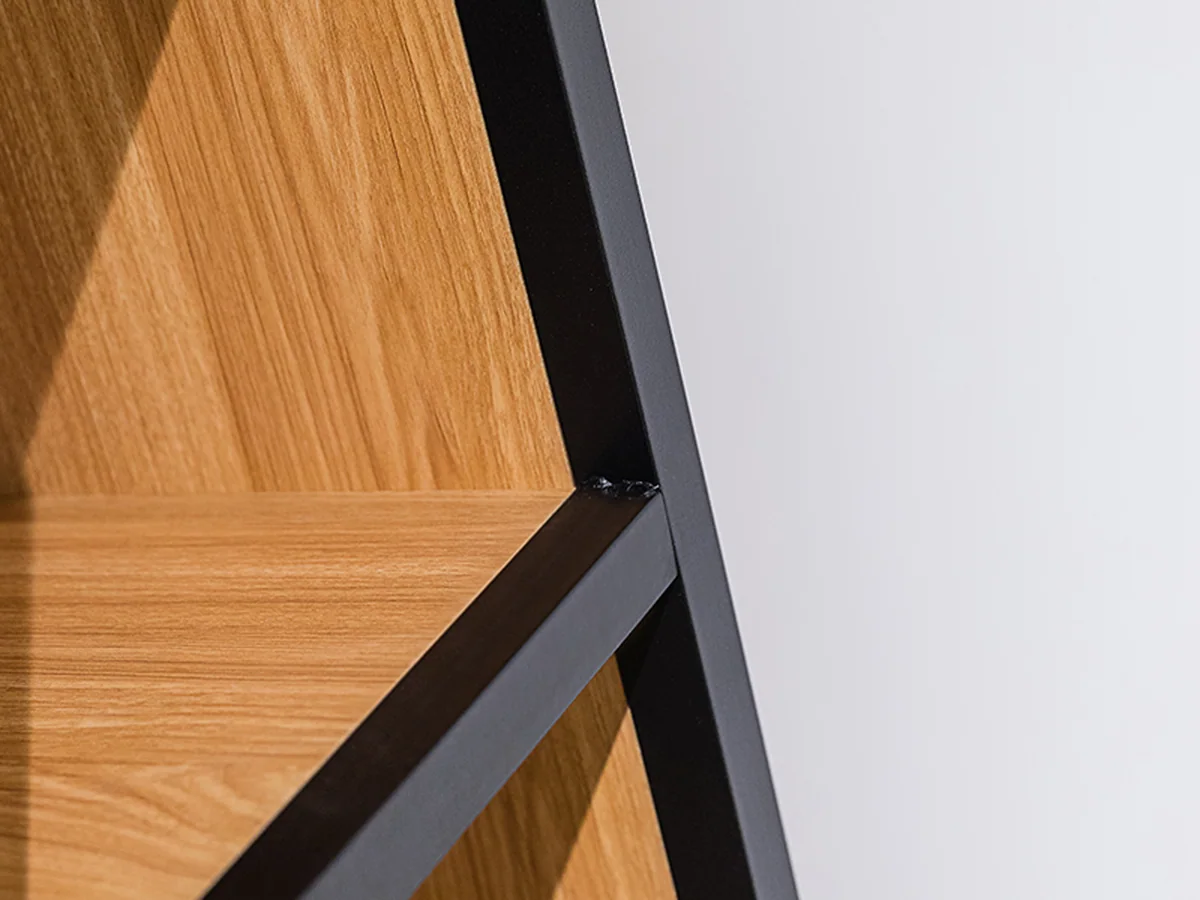
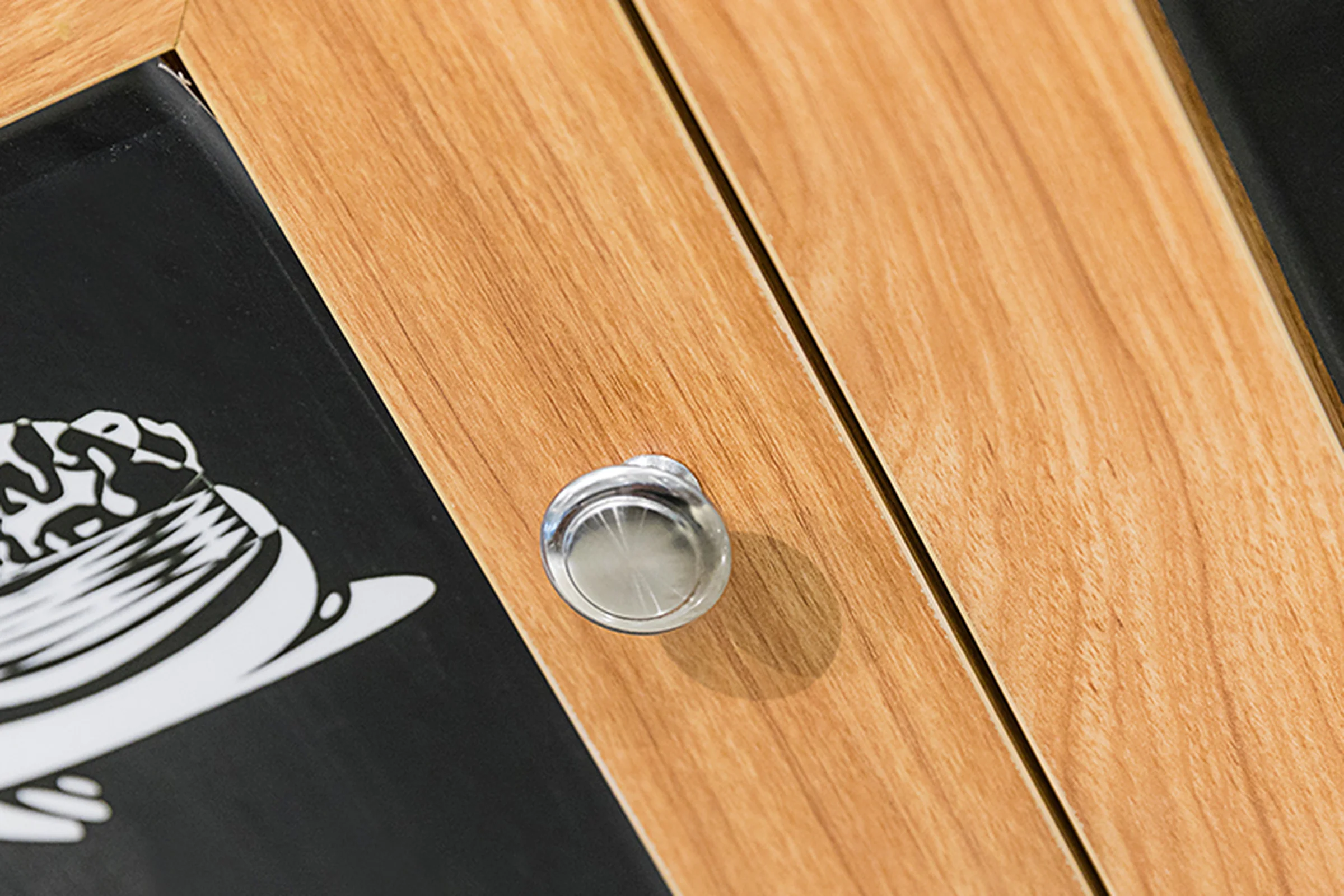
Slim section
A slim frame section, because on a narrow fixture the frame is a large fraction of the visible width. Heavier steel here would make the rack read as scaffolding.
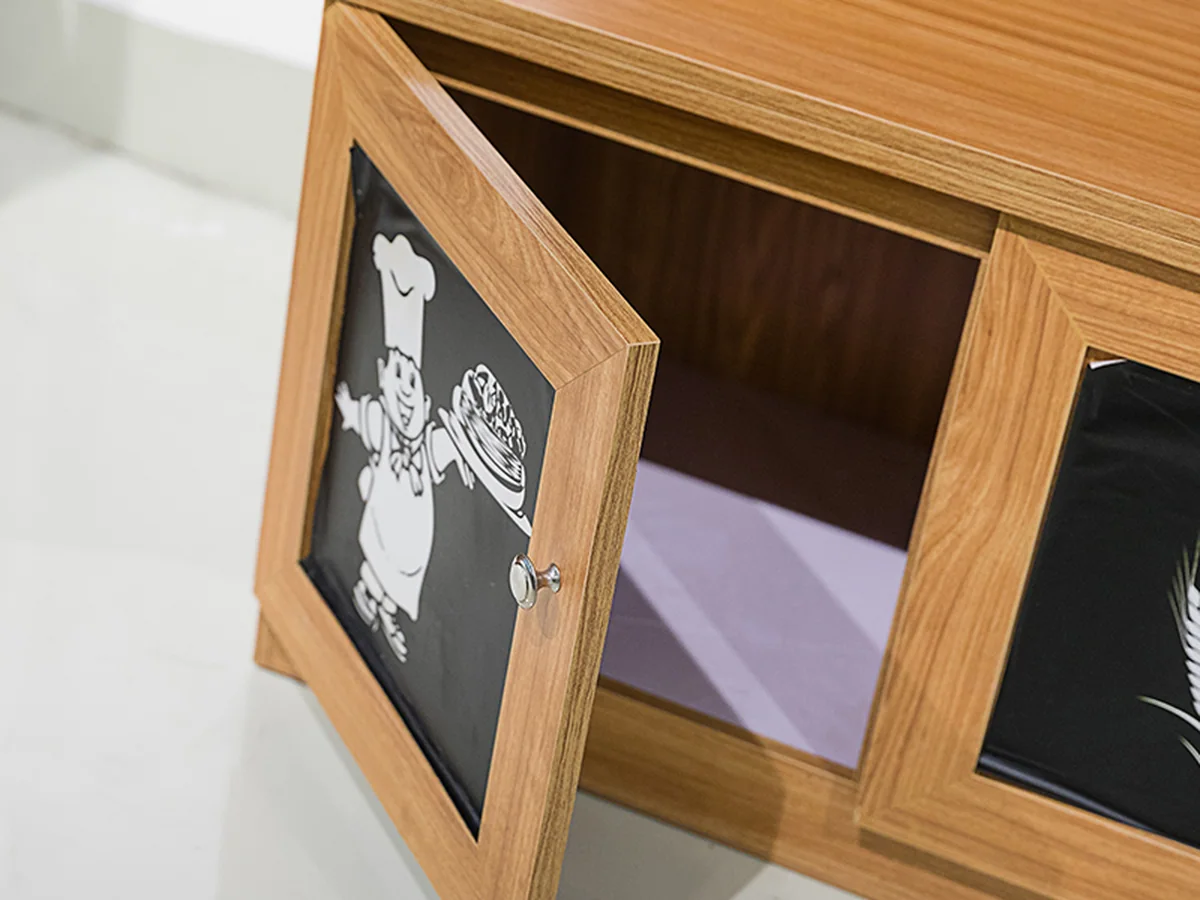
Fits a shelving run
The depth is set so the rack sits in a normal shelving run rather than projecting into the aisle. That is the entire reason to choose it over a counter.
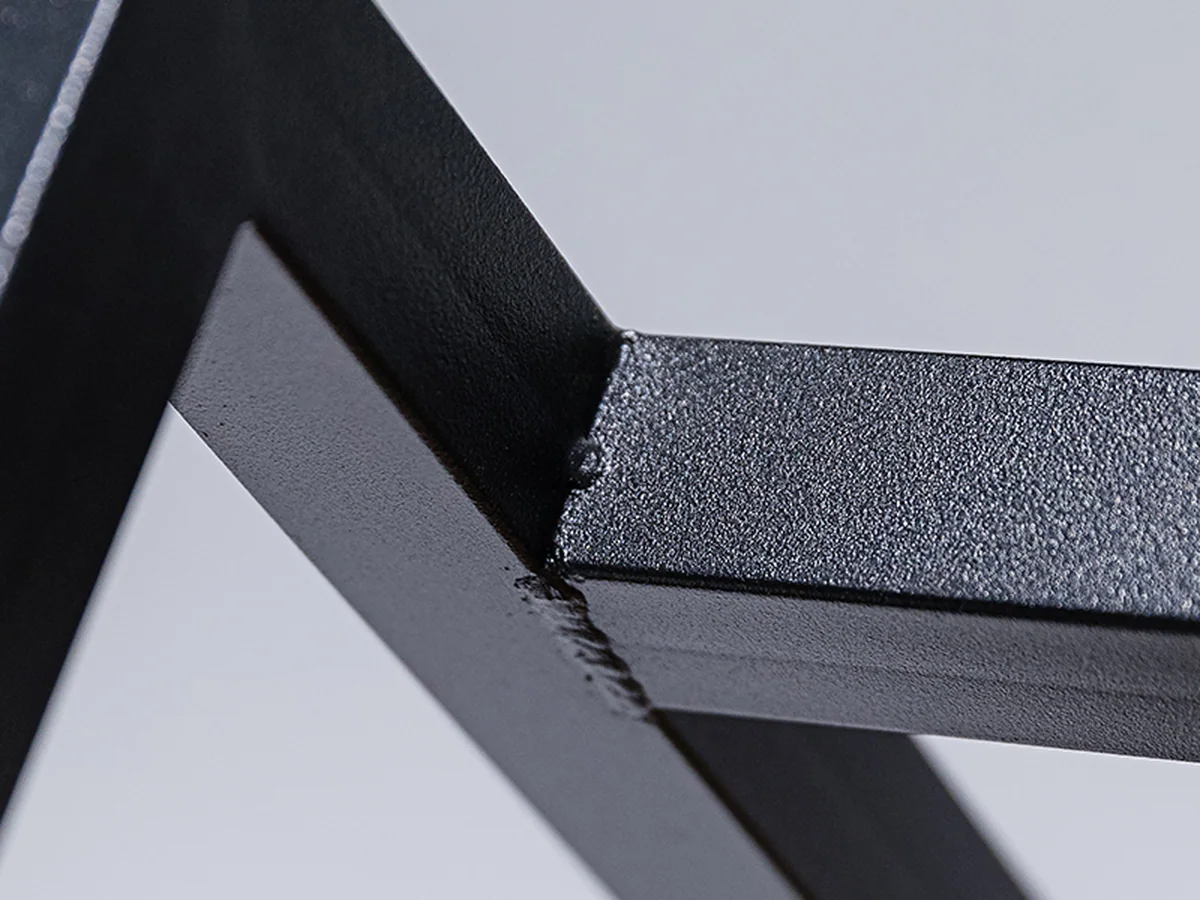
Clear of the floor
The base lifts the lowest shelf clear of the floor. In a bakery position that is not just about cleaning — a bottom shelf at floor level is one nobody buys from.
Every item on this page is made to order. Send a floor plan, a hand sketch or a photograph of a fixture you like, and we quote against it.
Store fixtures are light for their size, so a container fills up on volume long before it fills up on weight. What decides your freight is not what one unit weighs — it is what shape the goods are in when they go through the container door. Everything we build leaves in one of three shapes.
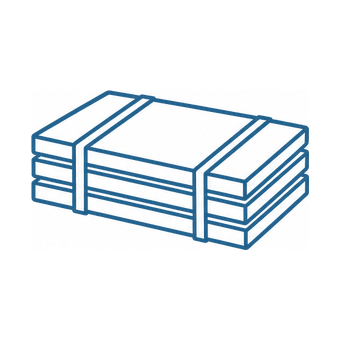
Shelving bays, produce islands and bulk cabinets travel as panels — uprights, shelves, back panels and plinths, strapped flat with bubble wrap on every component. They are built up on the shop floor, so the packing list and the assembly drawings travel with the goods.
This model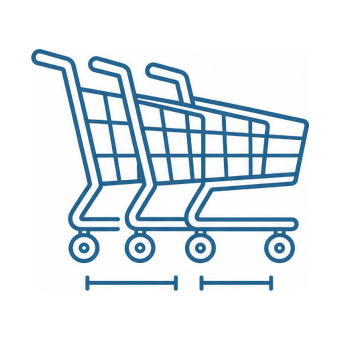
Trolleys slide into one another and baskets stack. Past the first unit, each extra one adds only its nesting pitch instead of its full length, so the shipped volume ends up a fraction of what the unit count suggests.
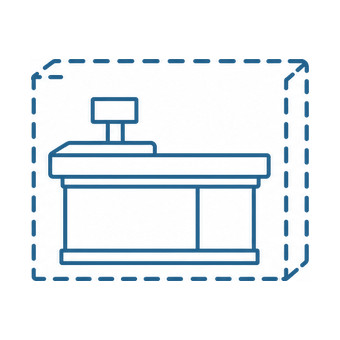
A checkout lane is welded, coated and fitted out as one piece, so it is crated whole with padding on the steel. Nothing waits to be assembled at the store beyond levelling it into the lane, and the crate is the counter plus a margin.
Bakery fixtures flat pack as panels, shelves, glazing and trim. Two bread racks are on record — KS-MBJ-01 and KS-MBJ-02 — and both are built to your bake tray and your bay rather than sold in fixed sizes, so the case dimensions come back on the packing list once the run is confirmed.
Bakery is a served department in most stores and a self-select one in others. Either way these three sit beside it.
Bakery and cooked food sit next to each other in most stores, and both are served rather than self-selected.
See deli display casesPackaged bakery lines go on the bays behind the counter, and they carry the same board tone.
See shelving baysBakery is promoted on the day, and a square at the counter end is where a morning batch actually moves.
See promotional standsHow many of each a store needs is a floor area question rather than a product question, and it is answered store by store on the store layout planning page.
If you have no room for a counter, this is the fixture. Send your aisle width.
Send the aisle width and the depth you can give up. This rack exists for stores that cannot spare a staff side, and the depth is the number that decides whether it fits.
The four that come up on nearly every enquiry for this build. If yours is not here, send it with your layout and it is answered alongside the quotation.
It is built to sit in a normal shelving run rather than to a fixed depth. Send the aisle width and the run depth you are working to, and it comes back dimensioned to fit.
That depends on your local rule. Where unpackaged self-select is permitted the rack takes covers and tong stations; where it is not, everything on it has to be bagged. Tell us the market.
A narrow tall fixture has to be secured back to the run or the wall. The brackets ship with it and the fixing points are marked on the assembly drawing, so it is not left for the store to work out.
Yes, and it should. It takes the same board and the same colour reference as the shelving run, so ordering them together is what stops the bakery position looking like an afterthought.