


Making Produce Look Fresher Through Shelf Space Planning
Freshness is read before it is tasted. How shelf depth, facing density and the gap left above the goods change what a shopper believes about produce that came off the same truck.
Checkout Counters, Vegetable Racks, Bread Racks and Wine Shelves, Explained From the Factory Floor
Twenty three guides on file, the earliest from 2018 — how to choose supermarket shelving, store shelving ideas, supermarket layout tips — written out of the quotations we send rather than a press release.
This archive is a factory notebook, not a press office. Almost everything on it started as a question a buyer asked before placing an order, and it is answered the way we would answer it by email: in lane lengths, tray angles, shelf pitches and the things that go wrong on site.
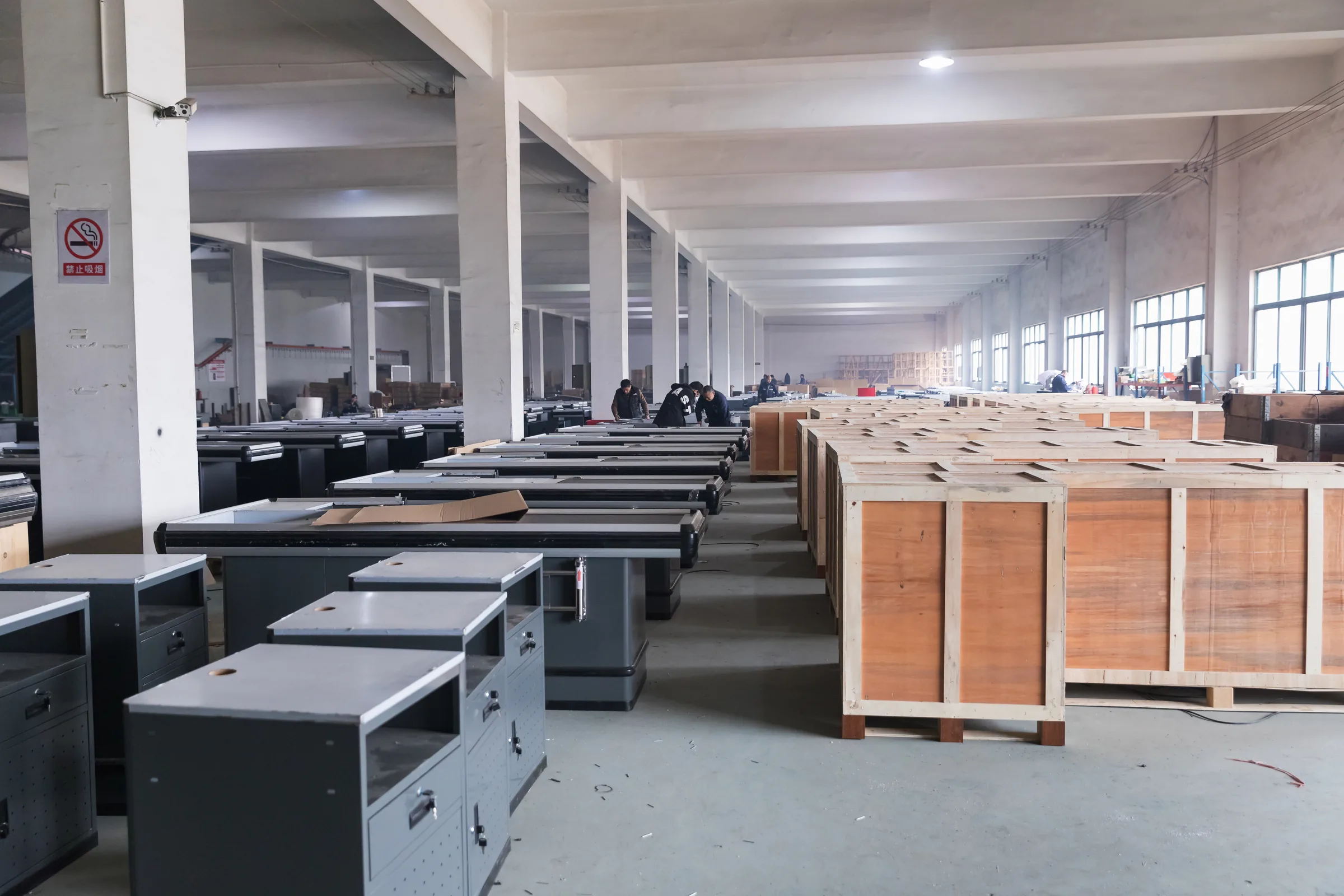
It goes back to 2018 and it is being rebuilt rather than reprinted. Posts that said the same thing five different ways have been merged into one strong guide. Consumer lifestyle pieces, holiday notices and one article that turned out to have been copied from another publisher have been left behind. Where an old post quoted a detail we cannot stand behind, the detail is gone rather than tidied up. Steel, woodworking and stainless steel all run under one roof here, which is why these guides can speak for all three — the plant itself is described on our About page.
The archive is split by what a piece is for, not by the month it went out. The counts below are what is on the site today, and they are meant to be lopsided — a factory that writes mostly buying advice is telling you something true about itself.

19 entries on file
Most of what we publish is buying advice, because most of what buyers send us is a buying question. Which counter length fits the lane, how many tiers a produce rack needs, whether the shelf panel should be steel or timber. These guides are written from quotations we have actually put together, and they are indexed further down by the part of the store they help you specify.

1 entry on file
When a fixture joins the range we write down what it is for rather than what it looks like: the tray angle, the height it was built to, the goods it was drawn around. Anything that is only a new colour or a new finish stays on the product pages instead of being announced here, which is why this track stays deliberately short.

2 entries on file
We keep a short record of the shows we attended, with the dates and the venue, and very little else. Where the original posts carried details we can no longer stand behind, including a stand number that turned out to belong to a different exhibitor, those details have been removed rather than rewritten into something vaguer.

1 entry on file
Plant news earns a place here only when it changes something for a buyer: which trades run under our roof, what that means for holding one finish across categories, what a certificate actually covers. The festival greetings and staff outings that filled this section on the old site have not been carried over.
Everything on file, newest first. There is no featured slot: these entries differ by date, not by importance, and a 2019 guide on counter length is still the one to read if you are buying counters. Filter by track first, then by the product area you are working on.
Freshness is read before it is tasted. How shelf depth, facing density and the gap left above the goods change what a shopper believes about produce that came off the same truck.
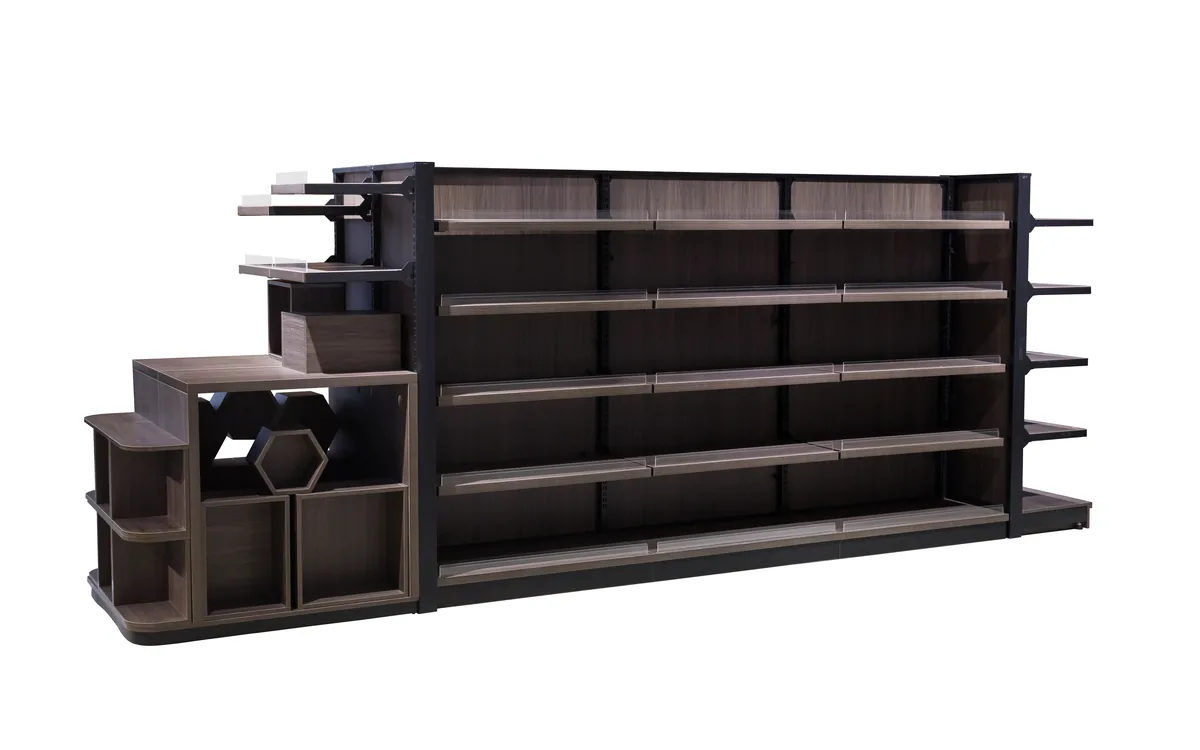
Four years of shelf notes merged into one guide: the reach bands a shopper uses without effort, the pull of the right hand side of an aisle, and why the same product sells differently one shelf up.
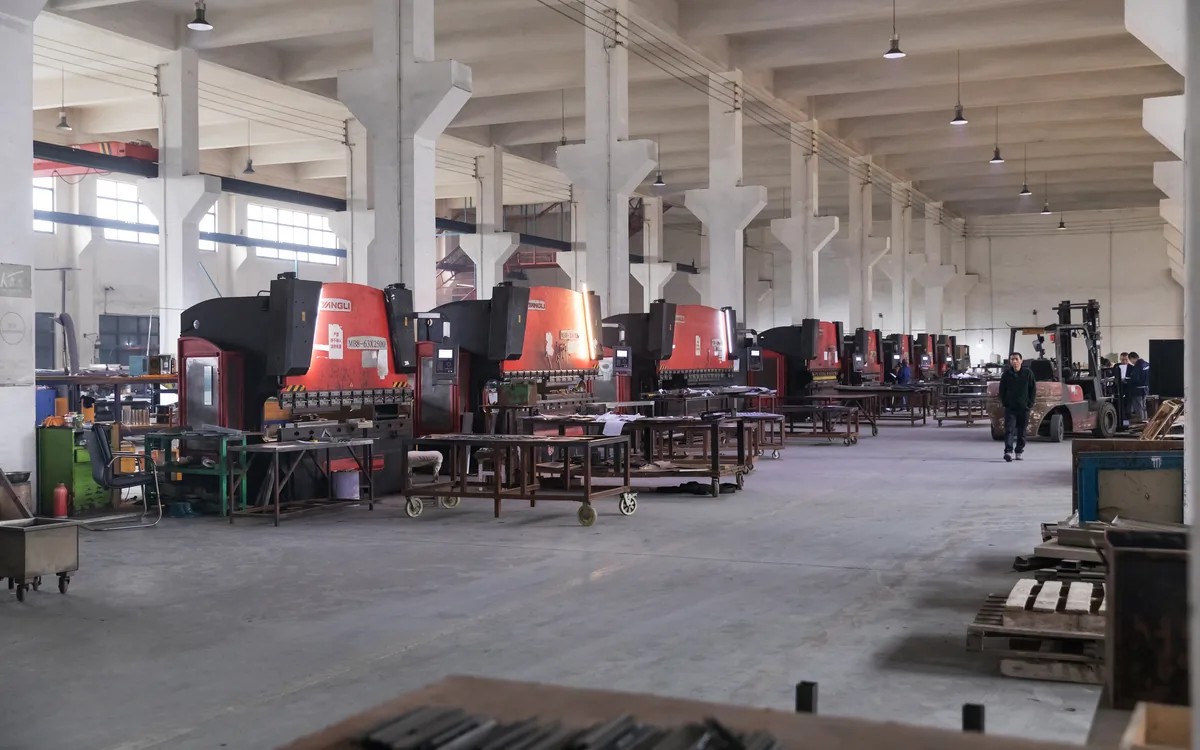
Steel fabrication, woodworking and stainless steel production run on one site in Changshu, which is why a whole store can leave in one matched finish instead of arriving from three suppliers.
An office block, a school gate and a housing estate need three different convenience stores. What changes in the fixture list when the catchment outside the door changes.
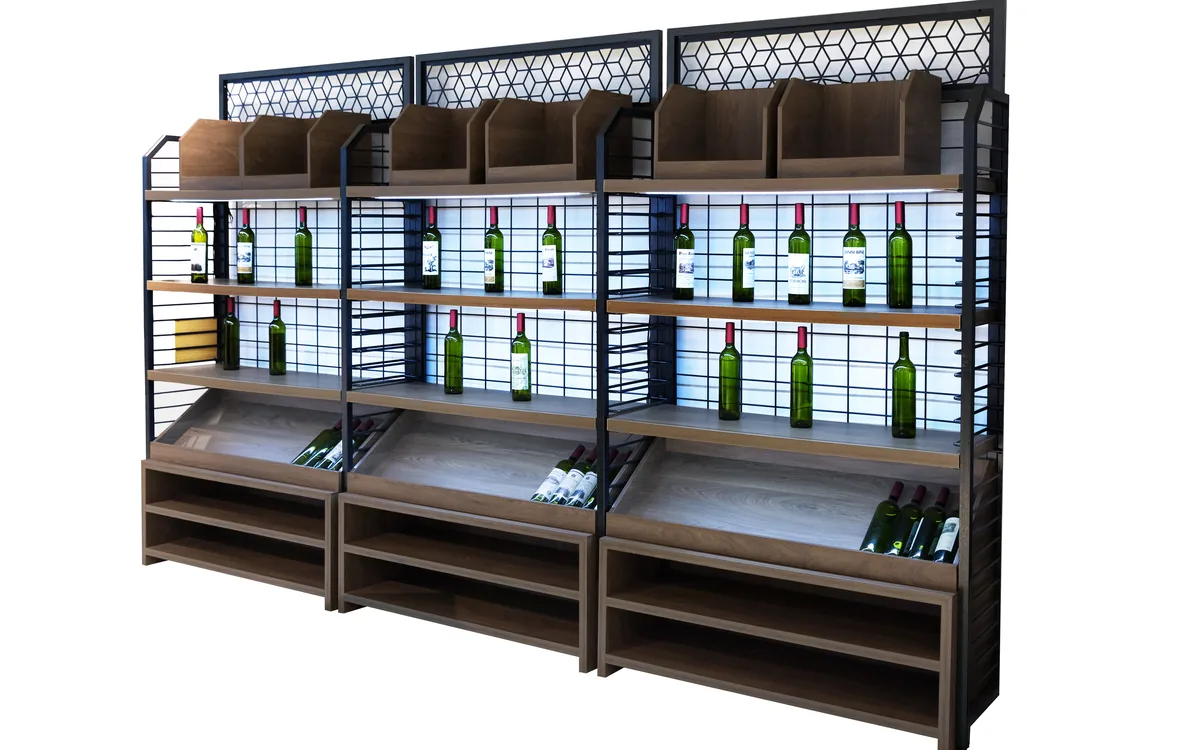
Two older posts on custom red wine cabinets merged into one specification list: bottle pitch, shelf depth, lighting, locks and finish, plus the real cost of changing the drawing twice.
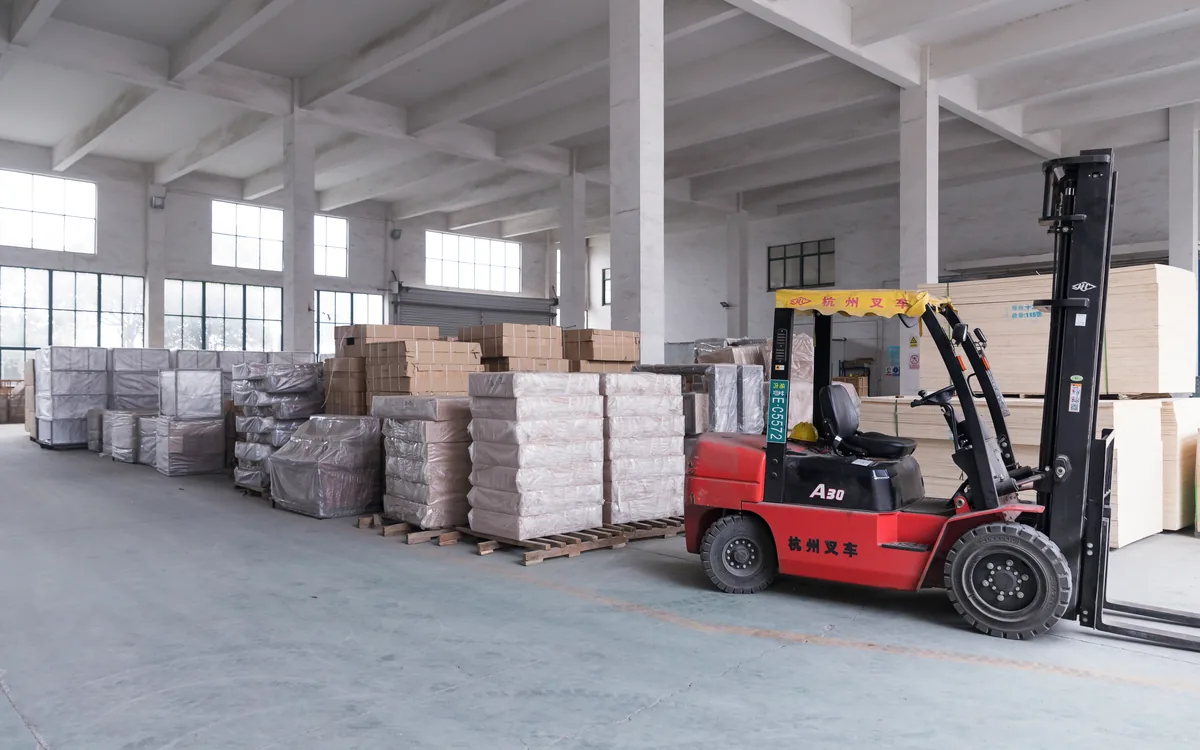
Impact padding on steel parts, bubble wrap and stretch film on wooden parts, and why the order a container is loaded in decides how much of it survives the voyage.
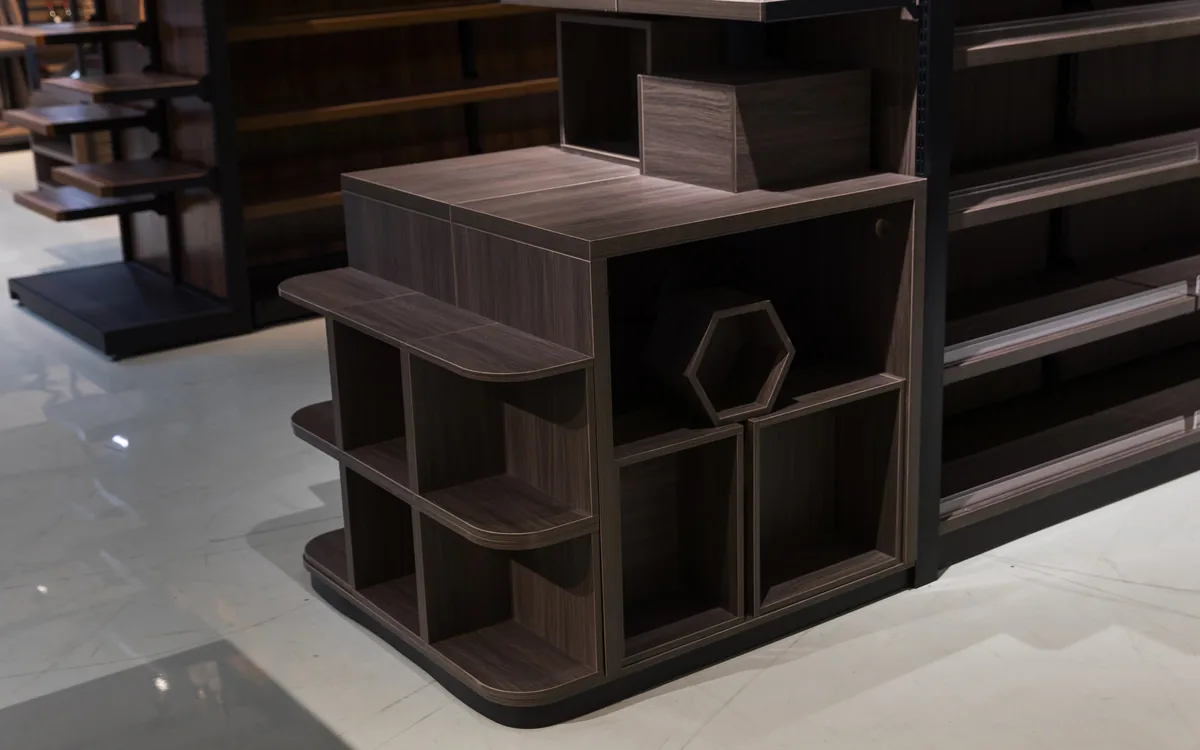
Grid, free flow and loop. Each one buys you something and charges you something: aisle metres, sight lines across the floor, and how long a shopper stays inside the store.
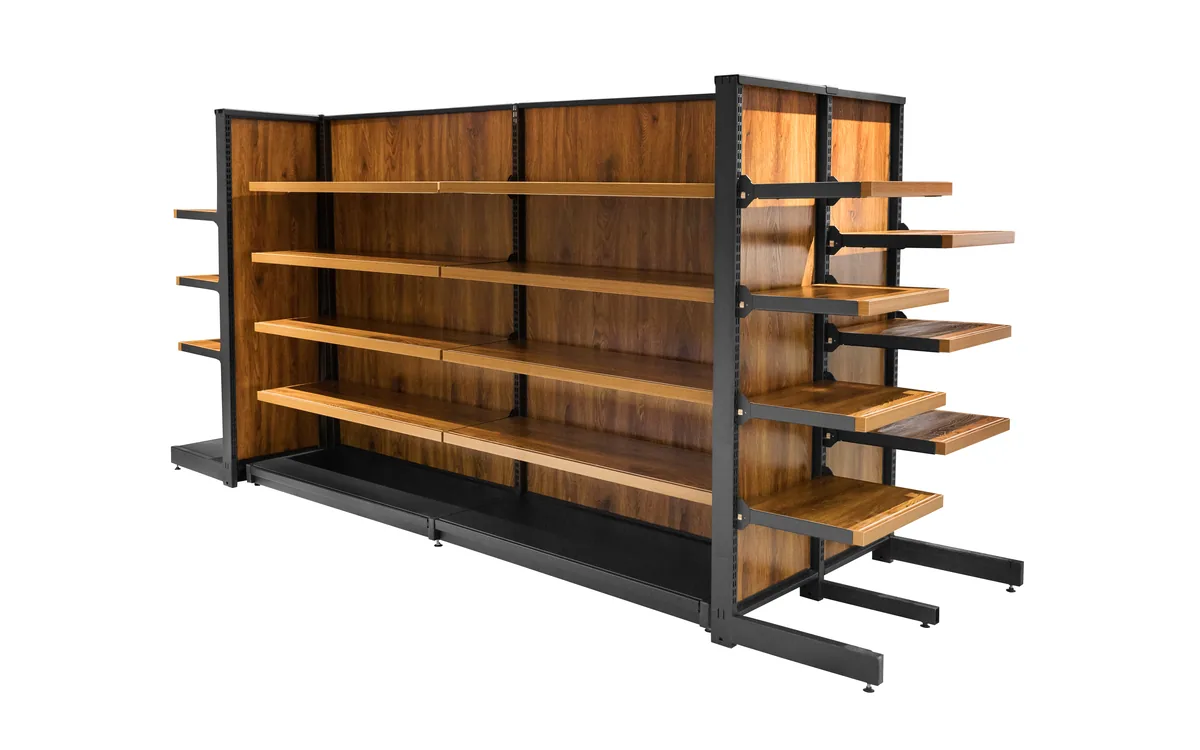
Both start from the same cold rolled steel frame. The difference is the panel: painted steel is cheaper and plainer, density board or plywood costs more and changes the whole room.
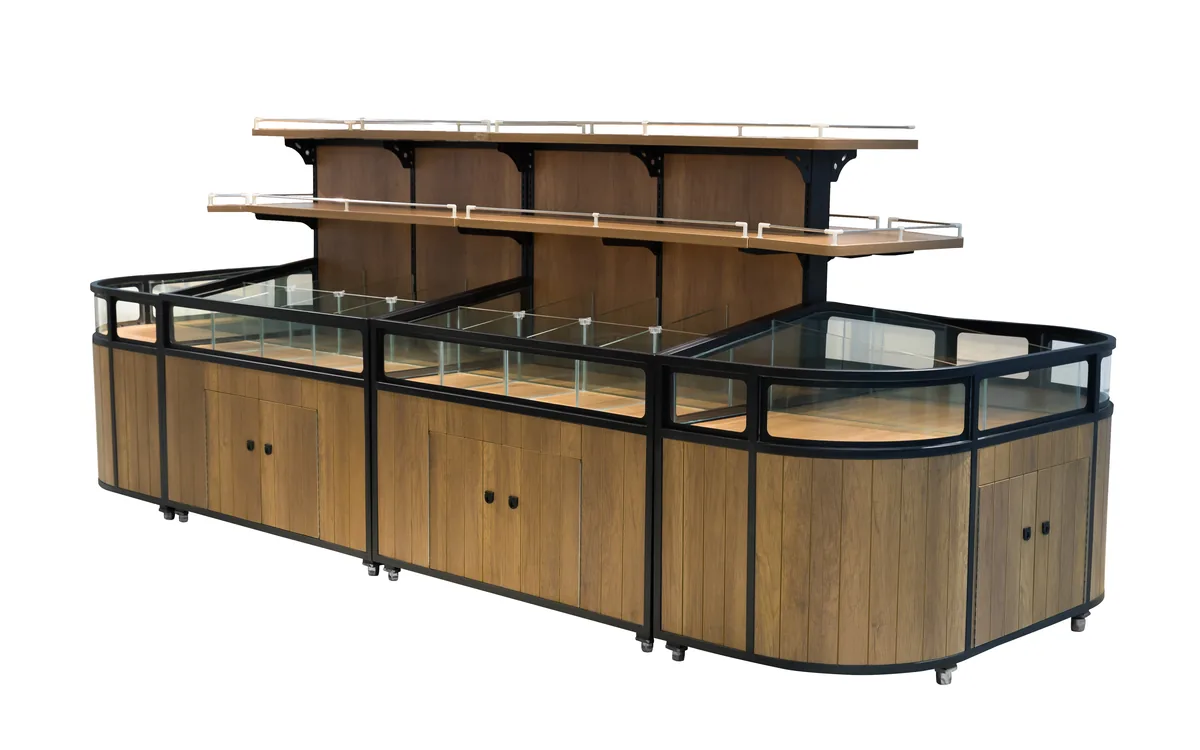
The door and the first cabinet a shopper meets do most of the work. Where the entrance goes, how deep that first island should be, and what the header above it has to say.
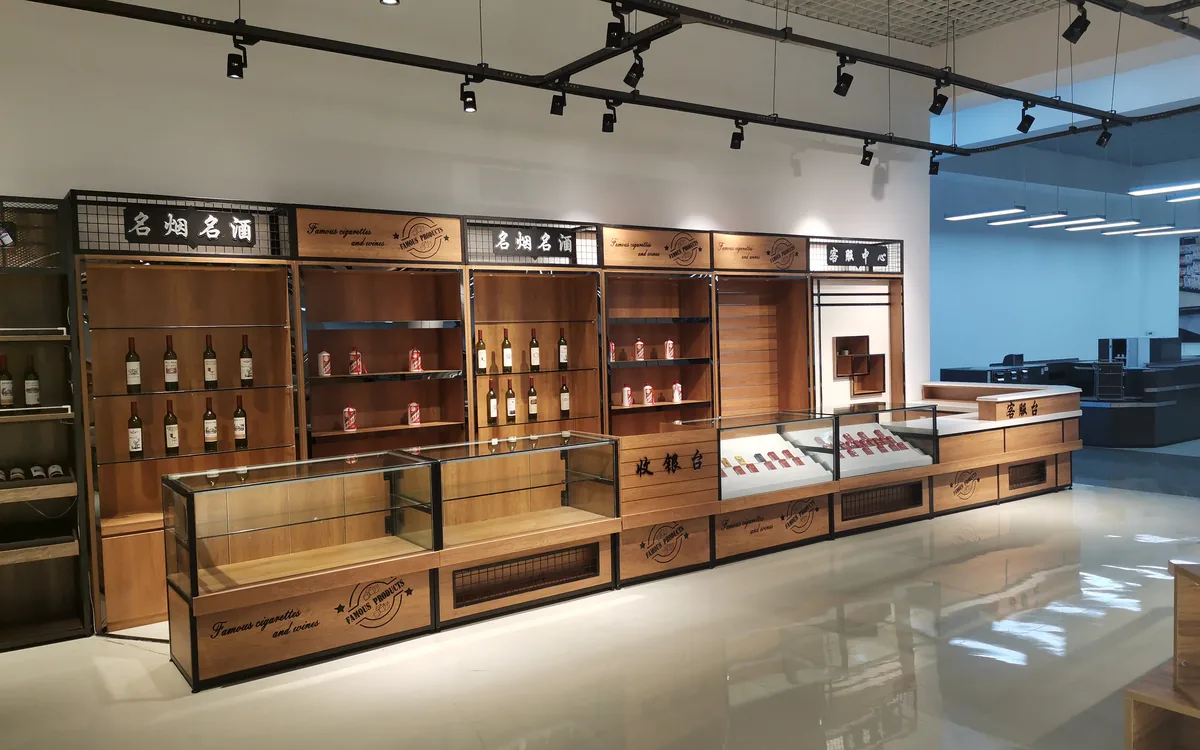
Our preview and our review of the show merged into one record: 7 to 9 November 2019 at the Qingdao Cosmopolitan Exposition. The stand number in the original post is gone, because it belonged to another exhibitor.
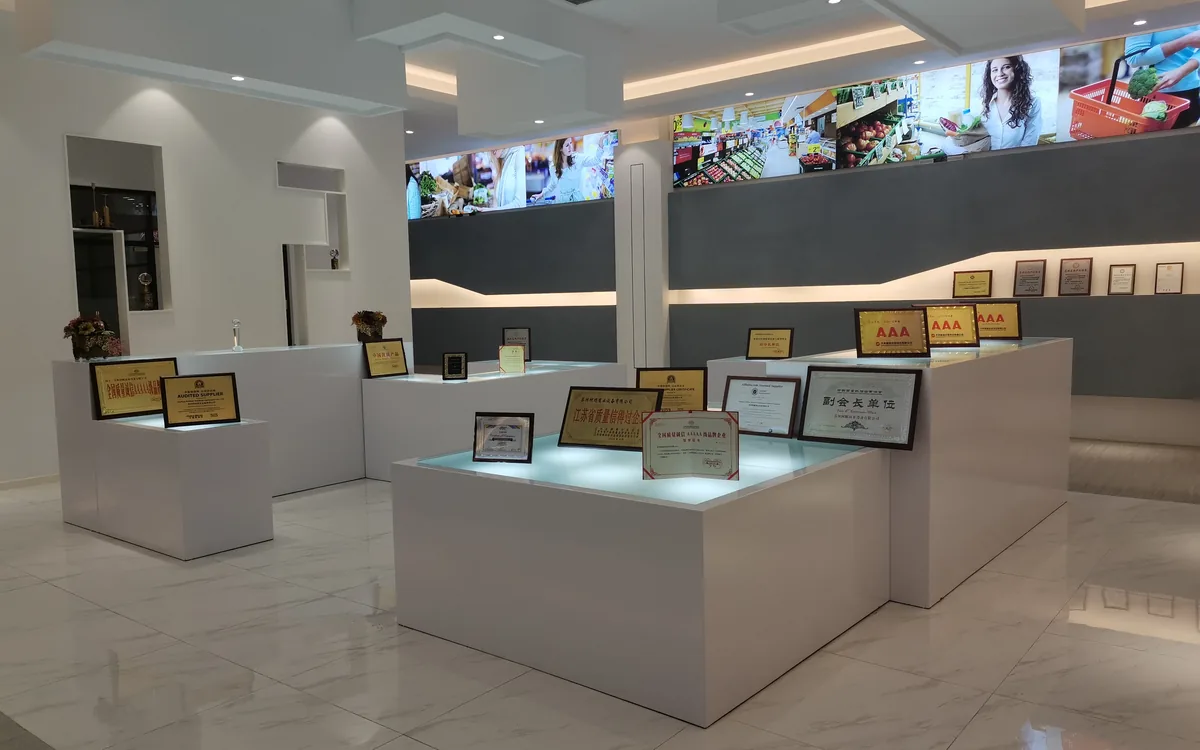
A short record of the 2019 Canton Fair from our side of the stand, trimmed back to what we can account for rather than the general introduction to the fair that the old post carried.
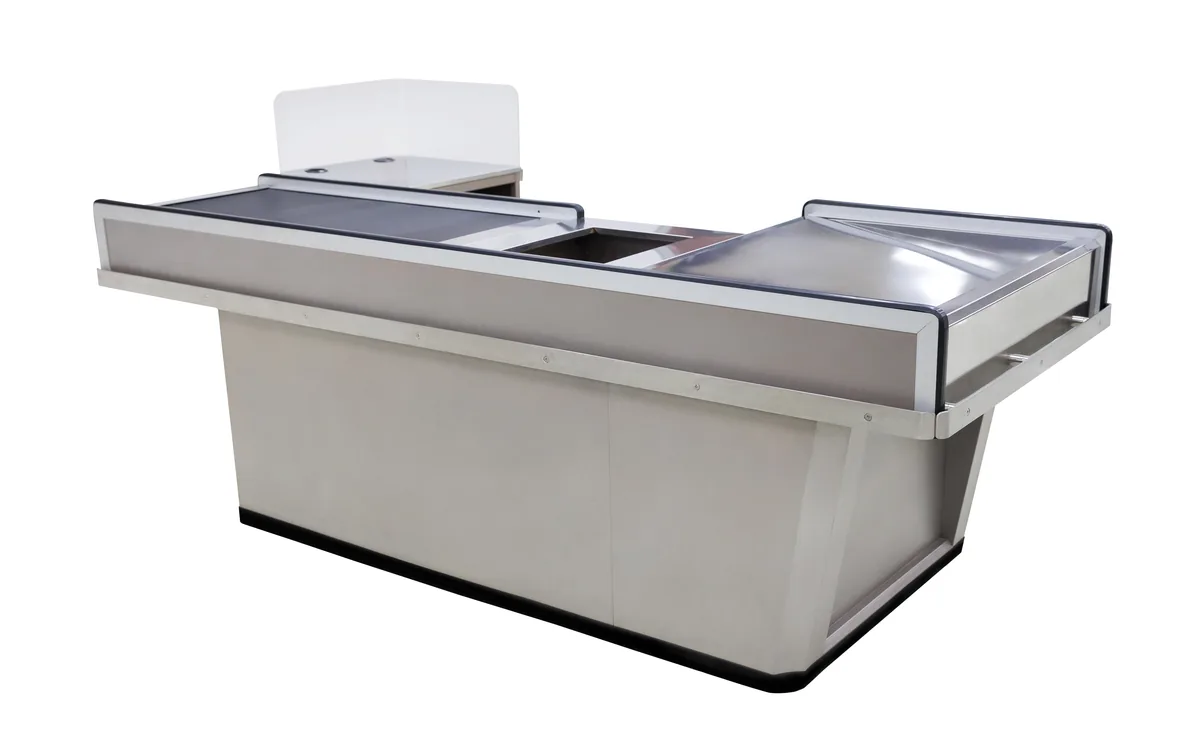
A belt lets the next shopper load while the cashier is still scanning the last one. When that queue arithmetic pays for itself, and when a plain counter is the better call.
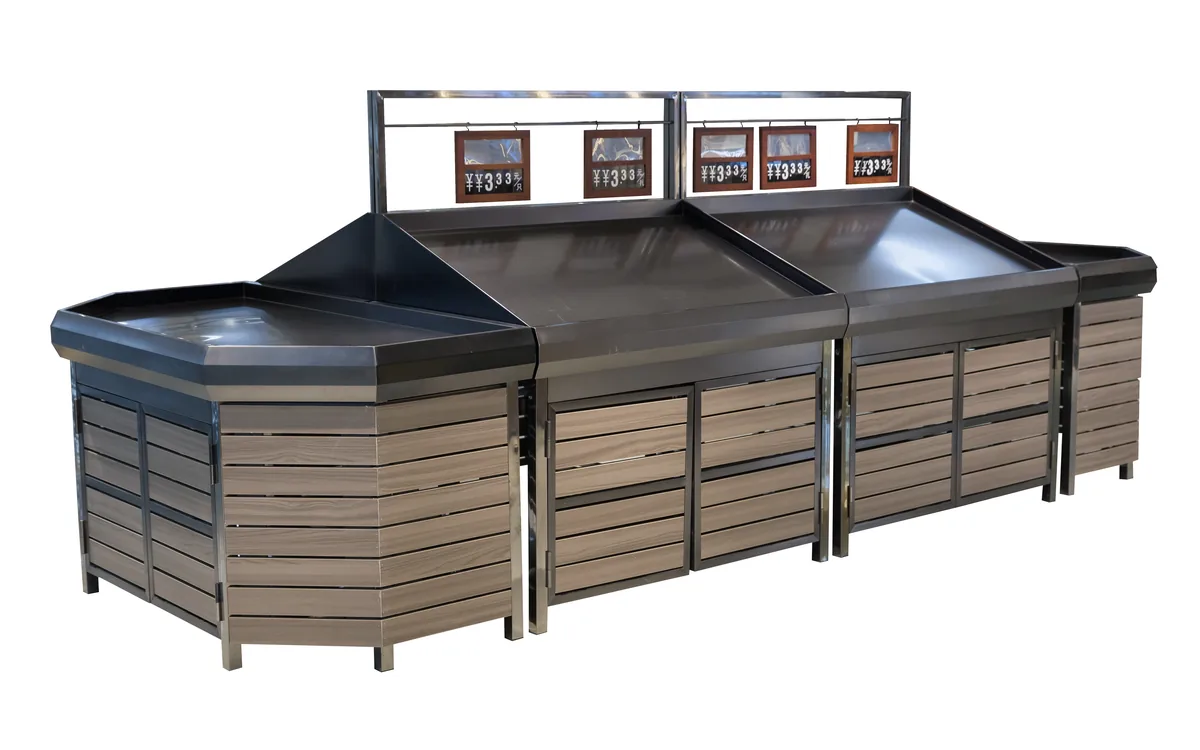
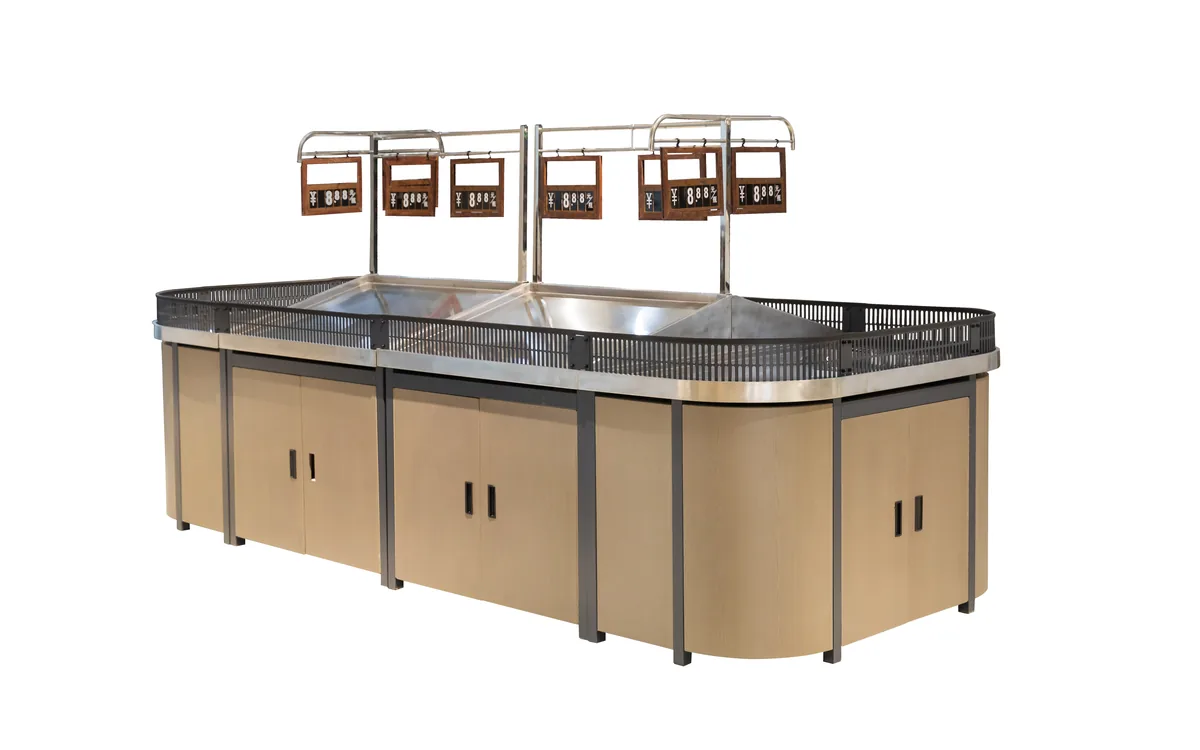
Three of our produce posts merged into one. Tier count, tray tilt, drainage and reach decide whether a vegetable rack sells the produce or merely holds it until it is thrown out.
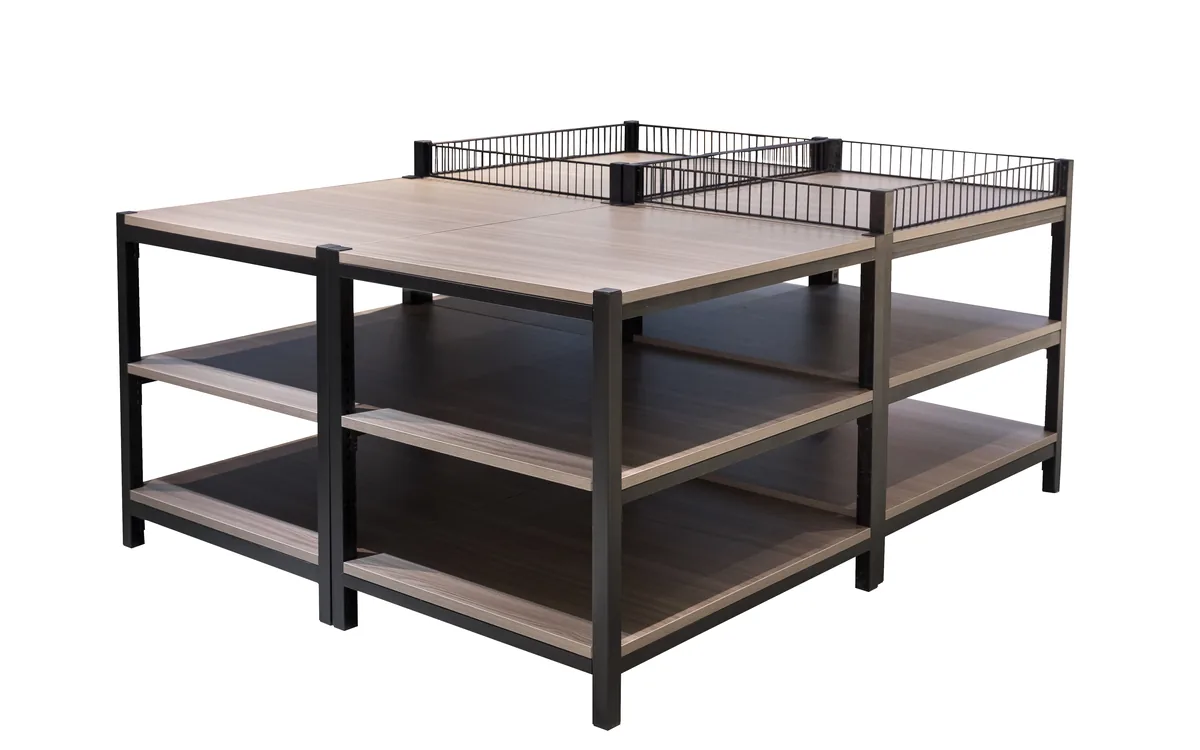
Aisle heads, the decompression zone just inside the door, and the run up to the tills. Where a promotion table earns its footprint, and where it only makes the aisle harder to walk.
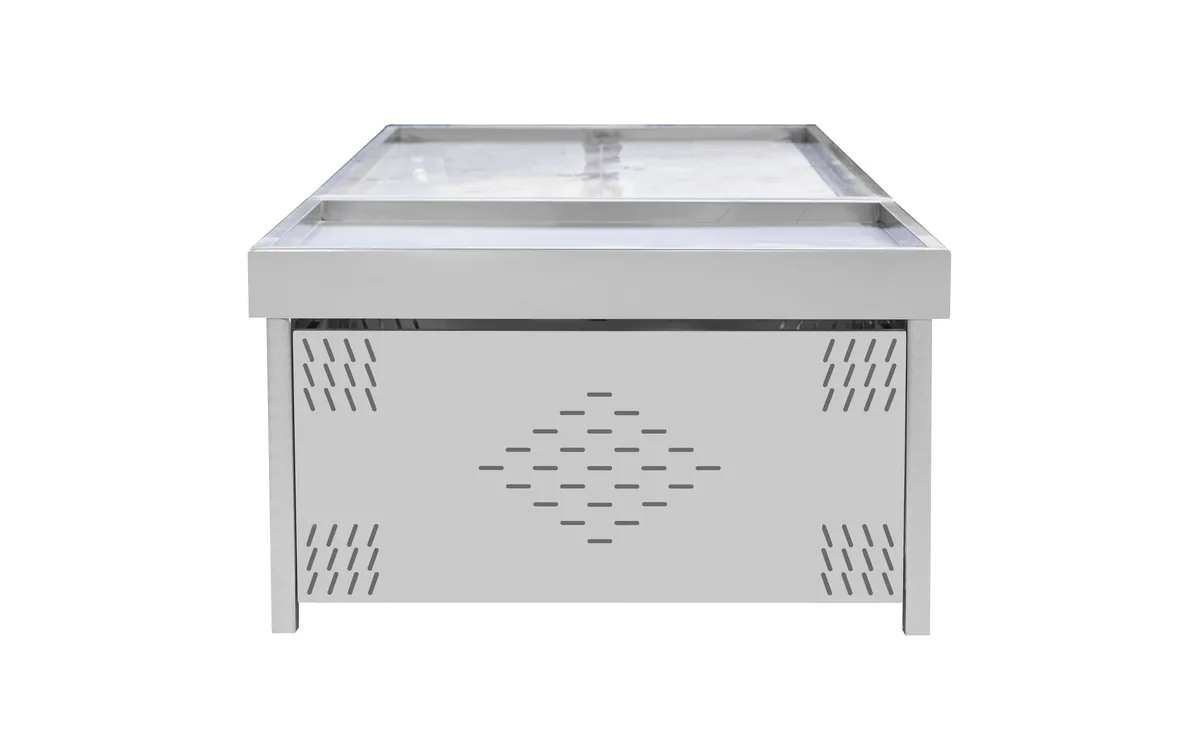
Ice melts all day, so the basin, the fall to the drain and the rim height matter more than the styling. Merged from two older posts on choosing a chilled display table.
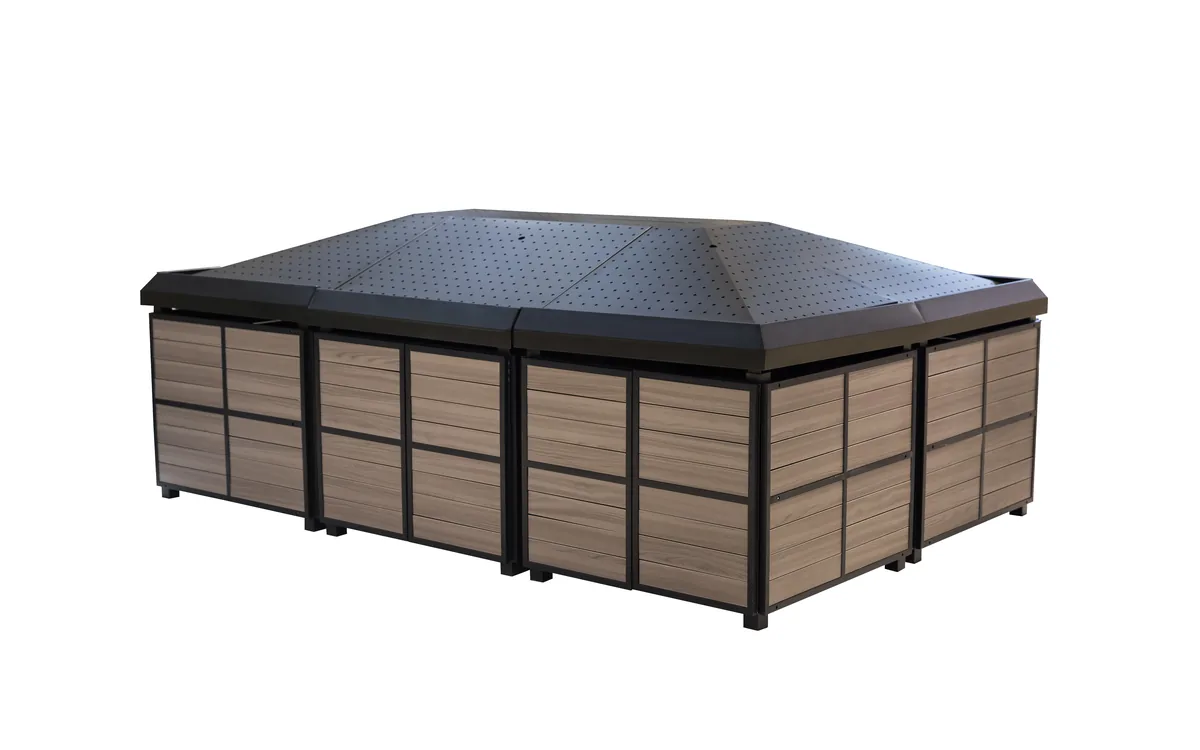
Shrinkage is a fixture problem before it is a buying problem. Tray depth, airflow and how often staff have to handle the stock all end up showing in the waste bin.
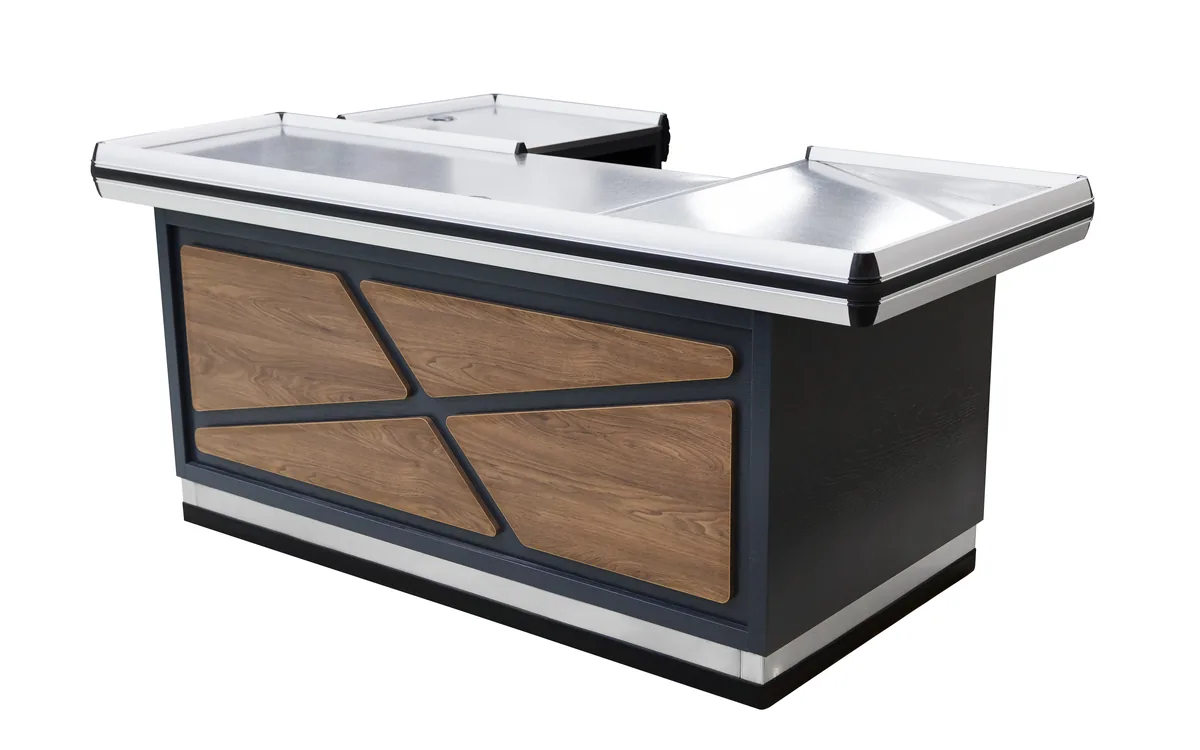
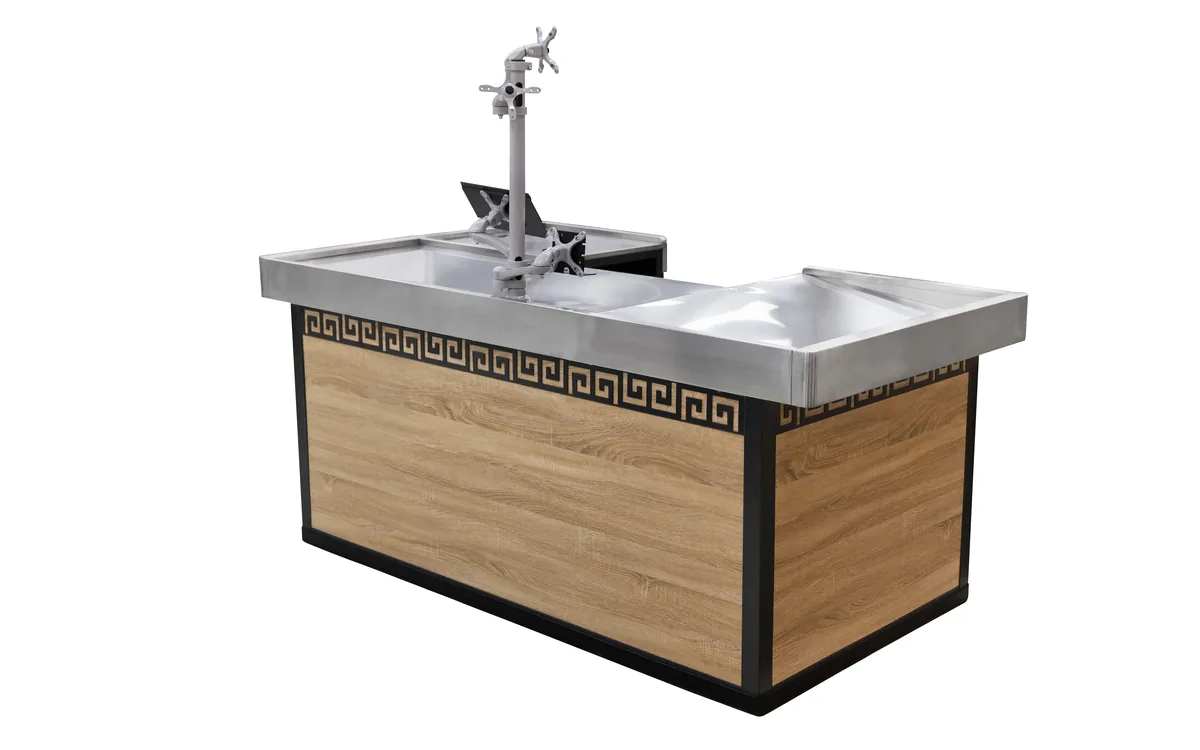
Five old posts asking the same question merged into one. Lane length, where the cashier stands, what goes inside the carcase, and the counter treated as the last display position in the store.
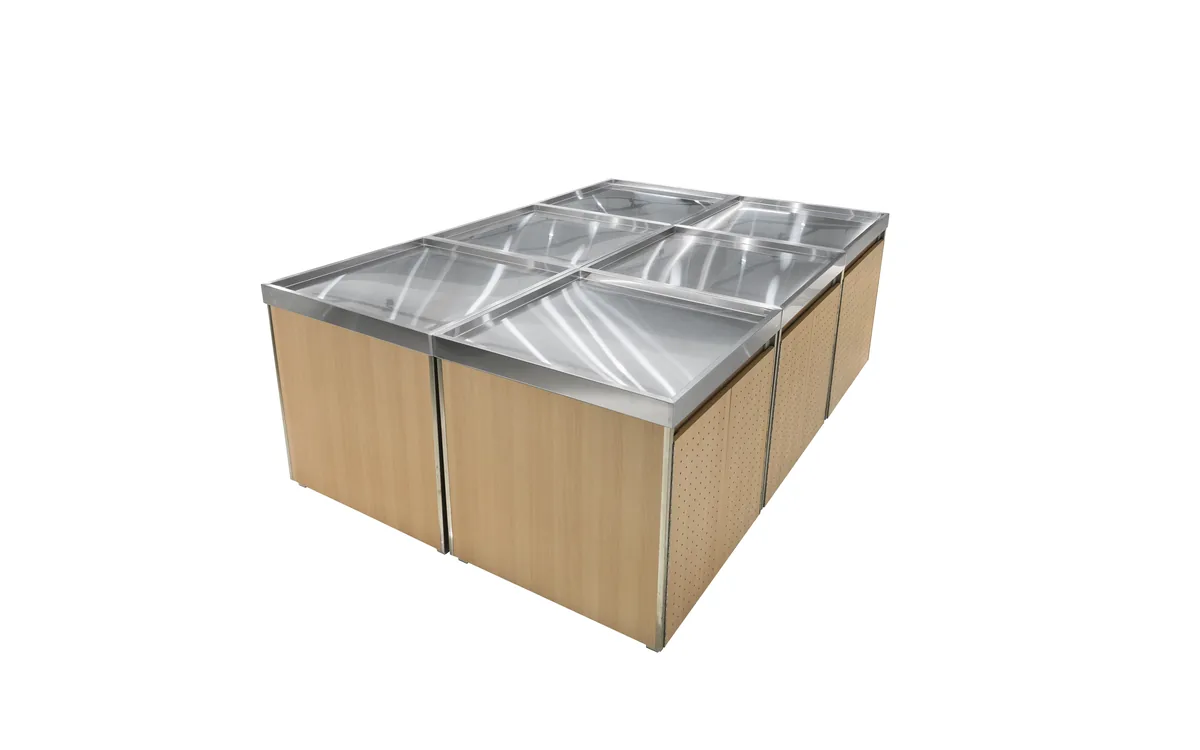
Wet produce, daily washing and trolley knocks sort the materials out quickly. What lasts in a produce aisle, and which parts have to be stainless steel whatever the rest is made of.
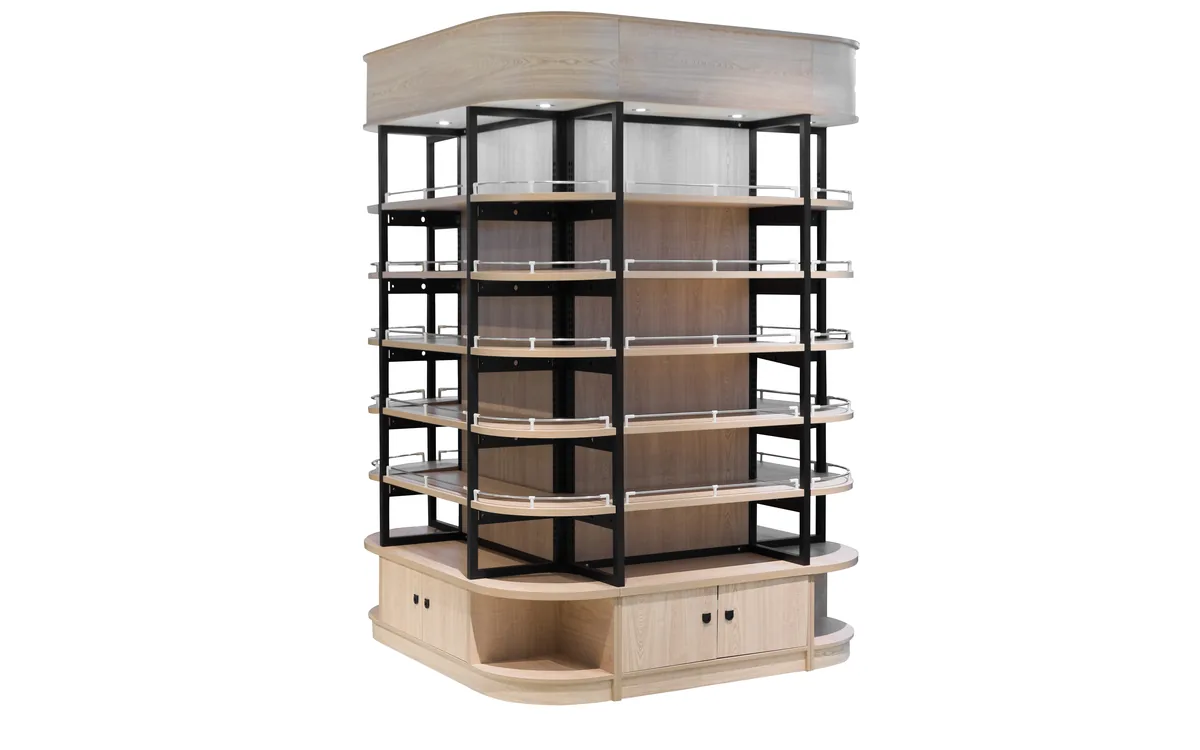
Racking holds pallets and is reached with a forklift. Shelving holds goods a shopper picks up by hand. Using the wrong word gets you the wrong quotation, and sometimes the wrong building.
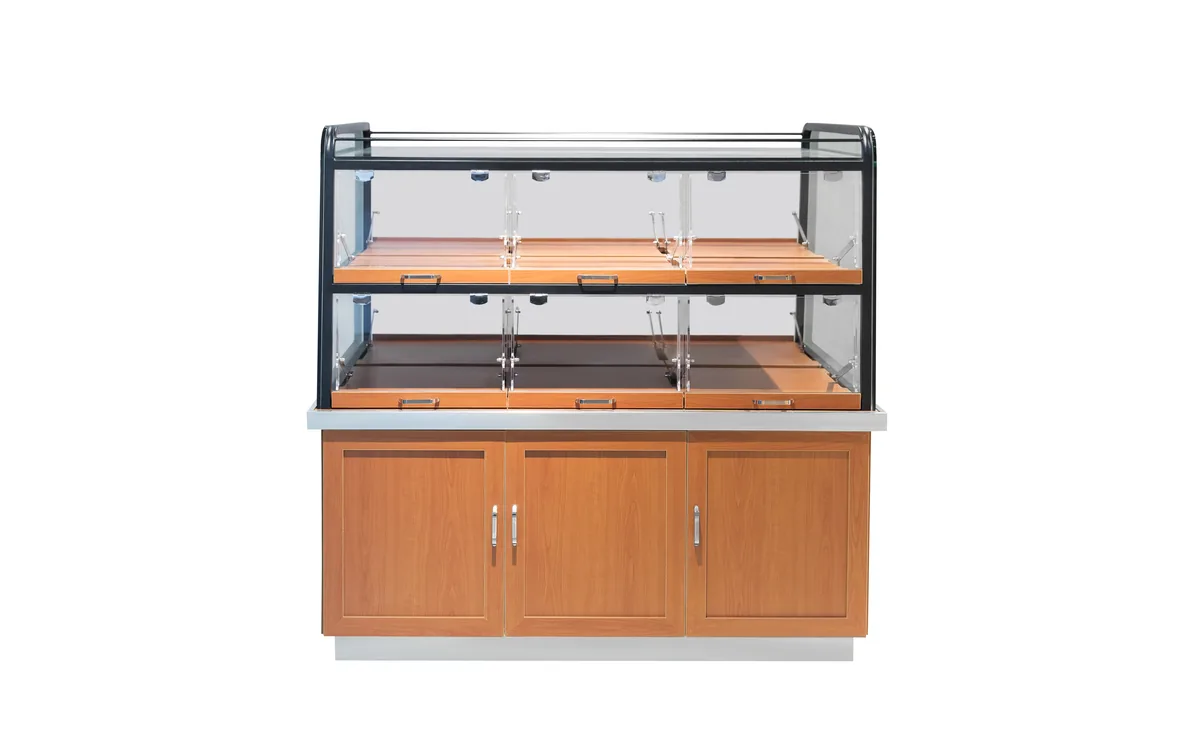
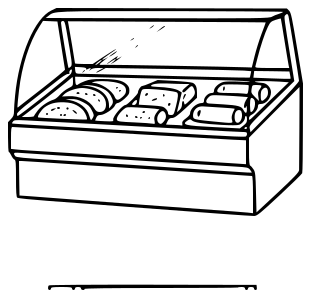
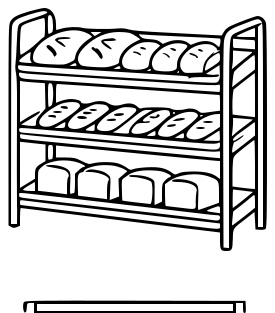
Open trays, a glazed case or a slanted rack. The choice follows how the bread is packed, how often it is refilled, and whether staff serve it or shoppers pick it up themselves.
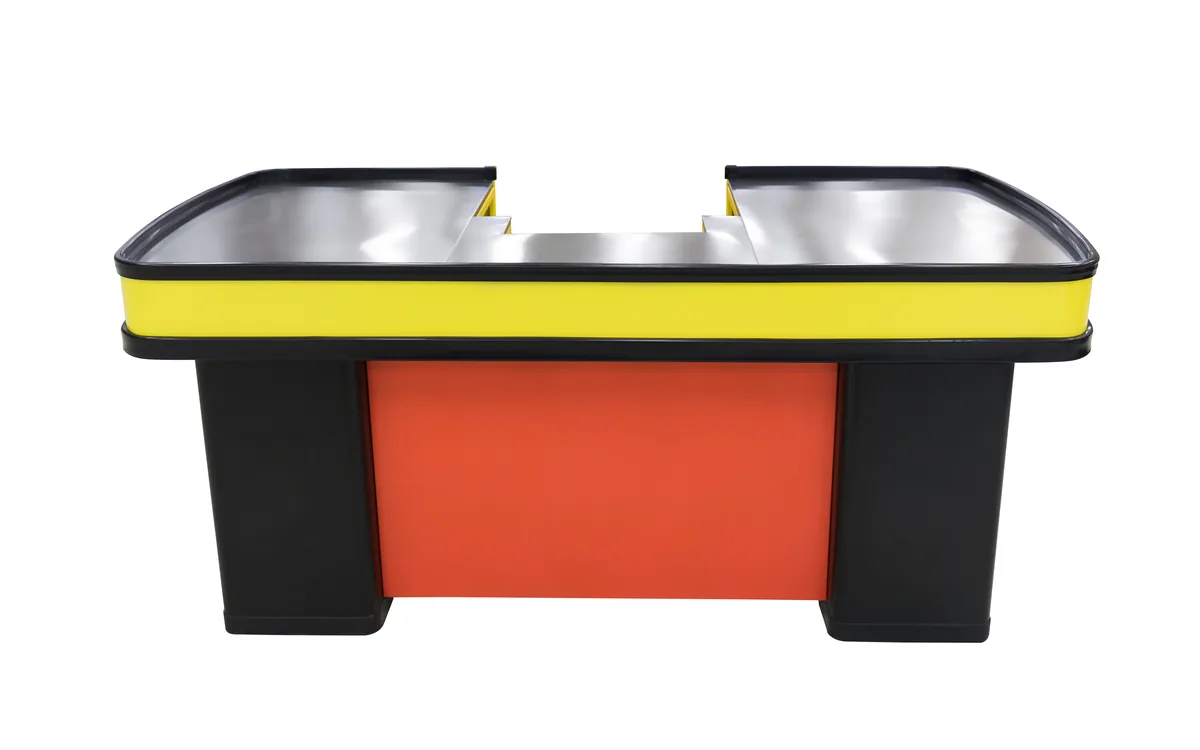
Four posts on the same idea merged into one: the queue is the only place in the store where every shopper stands still. What that space can carry without slowing the lane down.
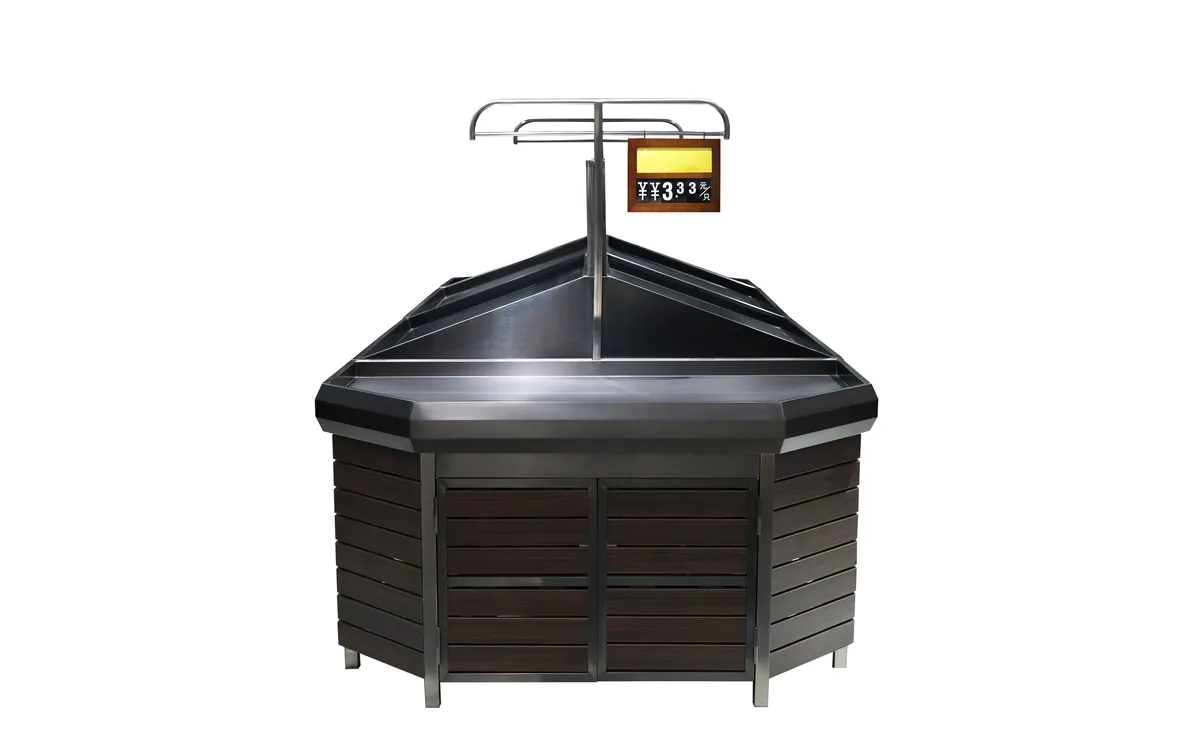
Three release posts from 2018 gathered onto one page: the adjustable rack, the three tier display and the open produce stand, with the tray angles and heights each of them was built to.
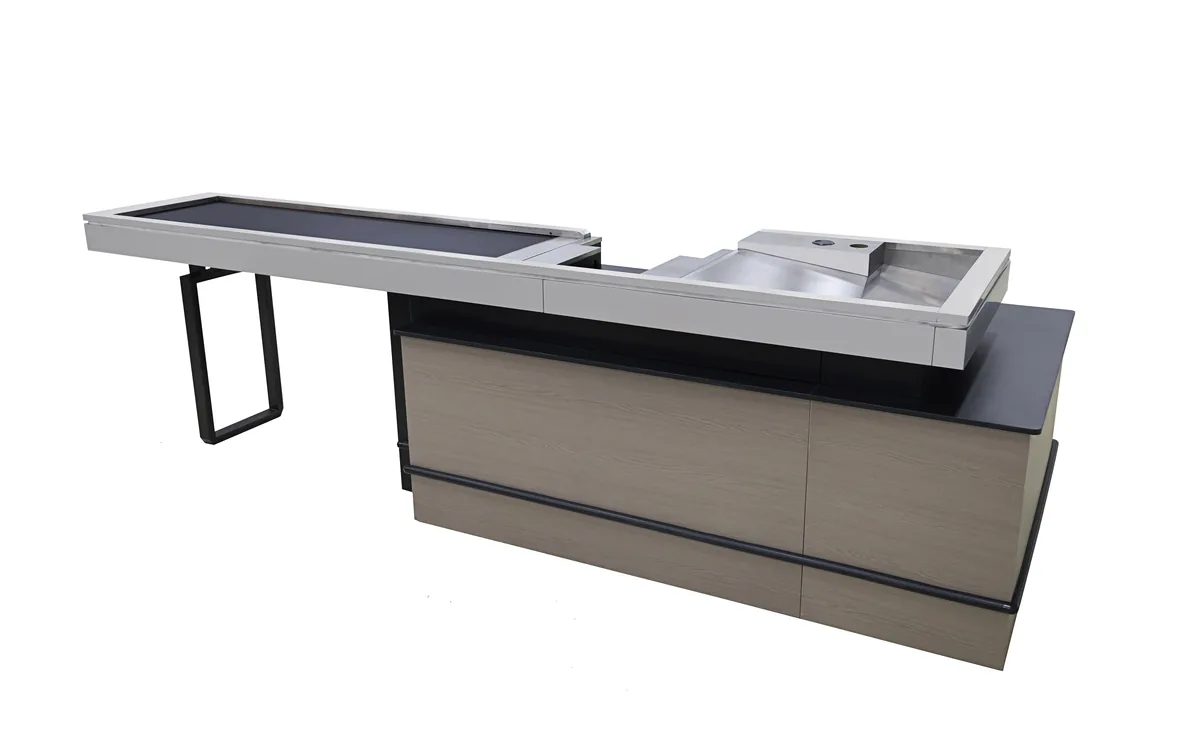
Straight lanes, cash desks, belted counters and self service islands. Two old posts merged into one map of which counter belongs in which kind of store, and what each one costs in floor space.
Showing 12 of 23 entries
Nobody reads about supermarket equipment in general. They are specifying one part of a store on one particular day. Each area below shows what is on file for it and links straight through to the equipment that goes there.
Lane length, cashier position and whether the lane needs a belt.
Tier count, tray tilt and what survives a wet produce aisle.
Bays, panel material and the layout those bays get arranged into.
Where a promotion table earns its footprint instead of narrowing the aisle.
Browse all promotional displayDrainage, rim height and everything else that follows from melting ice.
Browse all ice freshTrays, cases and racks, and how the bread is served to the shopper.
Browse all bread racksBottle pitch, shelf depth and the point at which a display needs a lock.
Browse all wine shelvesShopfront, catchment and getting the fixtures there undamaged.
Store operations covers the guides that belong to the whole floor rather than to one fixture — shopfront design, catchment, and getting a container of fixtures to site undamaged. They link through to the store equipment lists by store size.
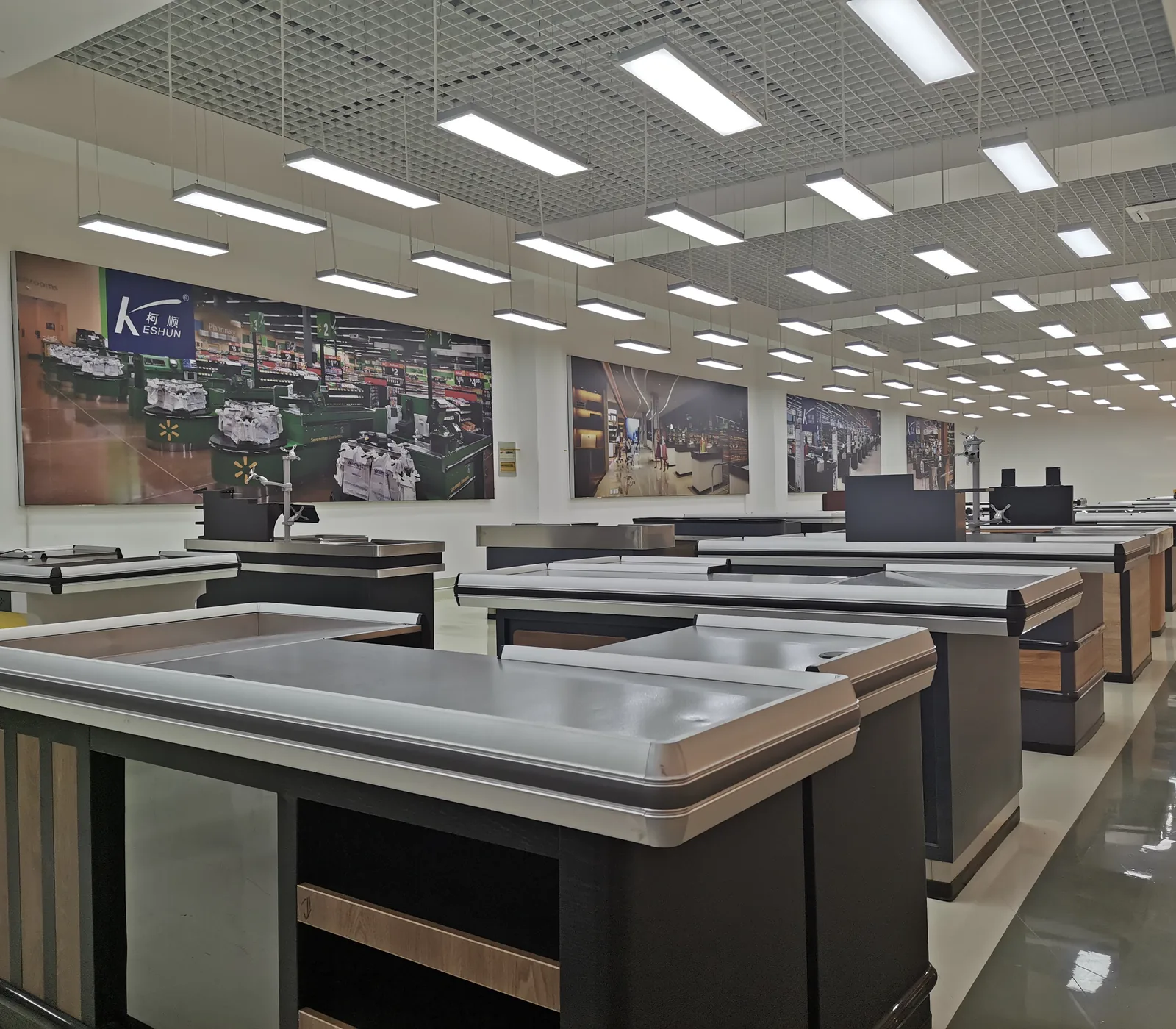
If a guide did not answer your question, send us the floor area of the store and the plan. We will read the zones off it and come back with the equipment list rather than another article.
These guides are written from real quotations, so the fastest way to get an answer that fits your store is to let us see the store. A hand sketch on paper is enough to start.
Five things people ask about where this material comes from and how much of it to trust. If yours is not here, send it with your floor plan.
Our own technical team in Changshu. The guides come out of quotations and drawings we have already produced, which is why they talk in lane lengths, bay counts and tray angles rather than in general retail advice.
Because that is when they were published. This is a working archive rather than a launch campaign, so every entry keeps the date it first went out. Where several old posts answered the same question, they have been merged and the merged guide keeps the earliest of their dates.
Yes. Consumer lifestyle pieces, holiday notices and internal staff posts have not been carried over, and one article turned out to have been copied from another publisher, so it was dropped rather than reprinted. What is left is the material a supermarket buyer can actually use.
The guides explain how to choose; the product pages list what we build. Every product area in the index above links to the category page for that area, so you can read the reasoning first and then look at the models it applies to.
That is what they are for. If you would rather not, send us the floor area of the store and a plan, and we will convert it into a list of counters, bays, islands and trolleys zone by zone.

