Most people use racking and shelving as though they mean the same thing. They do not, and the difference is not academic — it decides what gets quoted, what turns up and whether it is any use in the building it arrives at. Worth five minutes before an enquiry goes out.
Key takeaways
- Shelving stores things reached by hand. Racking stores large quantities reached by forklift.
- The two are specified against different things: shelving against a shopper, racking against a pallet.
- Placement on a shelf is worth roughly a third of a product's turnover, which is why shop shelving is a selling decision.
The Distinction
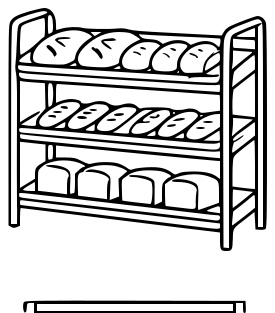
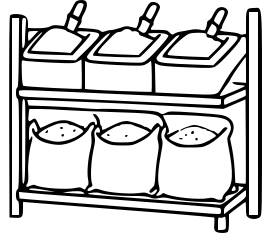
Shelving is generally used for the storage of things that need to be accessed by hand. Storage shelves are made of solid materials able to support small items — the sort of shelving you see in a supermarket. Racking, on the other hand, is used for storing large quantities of stock in a warehouse. It is built so that boxes, crates and large containers can be accessed with machinery: a forklift, usually, because of the capacity and weight involved.
Once the distinction is clear, the ordering decisions follow from it. Shelving is specified against a person: reach height, sight line, how a shopper compares two products side by side. Racking is specified against a pallet and a machine: load per beam, aisle width for a forklift to turn, upright spacing to a pallet footprint. Ask a shelving supplier for racking and you will get something that holds far less than you need; the reverse is worse, because warehouse racking in a shop is both ugly and unsellable-from.
| Shelving | Racking | |
|---|---|---|
| Accessed by | Hand | Forklift or similar machinery |
| Holds | Small items, individual units | Pallets, crates, large containers |
| Specified against | Reach height and sight line | Pallet size and machine clearance |
| Where it belongs | Shop floor | Warehouse and stockroom |
Why Shop Shelving Is A Selling Decision
Once you are talking about shelving rather than racking, the question stops being storage and becomes merchandising. The majority of retail purchases are made in supermarkets and hypermarkets, and it is well established that good or bad placement on a shelf makes a difference of around plus or minus thirty per cent to a product's turnover.
Those two facts together explain why product placement in supermarkets is treated as a serious optimisation problem rather than a housekeeping one. It is worked on at several levels at once: the whole store, the department, the run, and finally the individual shelf. Fresh categories are usually where the analysis starts, because turnover there is fastest and the cost of getting it wrong is visible within days.
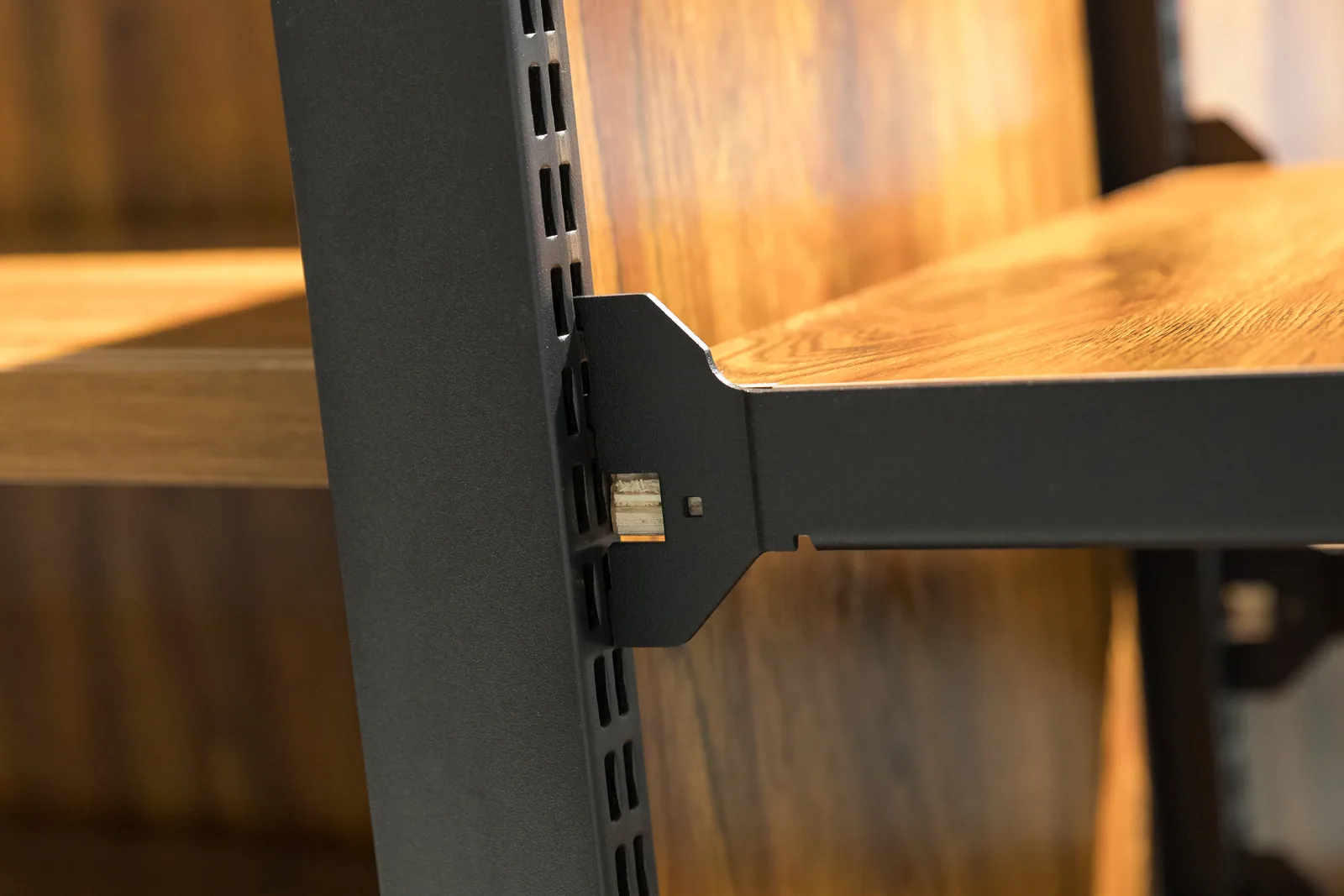
Placement on a shelf moves a product's turnover by around a third. That is why shop shelving is bought as sales equipment rather than as storage.
The Placement Rules That Follow
There are a handful of requirements that hold whenever products are being placed in a store, and they are worth keeping in mind while the shelving is still being drawn rather than after it is standing.
- Decide the location priorities first. Which categories get the best positions is a strategic decision, not a leftover.
- One product per site, or two where the products are genuinely complementary.
- Create a mass effect. The more visible a product is, the more of it sells — which is an argument for depth of facing rather than breadth of range.
- Make it easy to pick up. The skill is selling the most of what you want to sell while making the shopper's job easier, not harder.
- Keep point-of-sale information simple. One product, one visible and valid price.
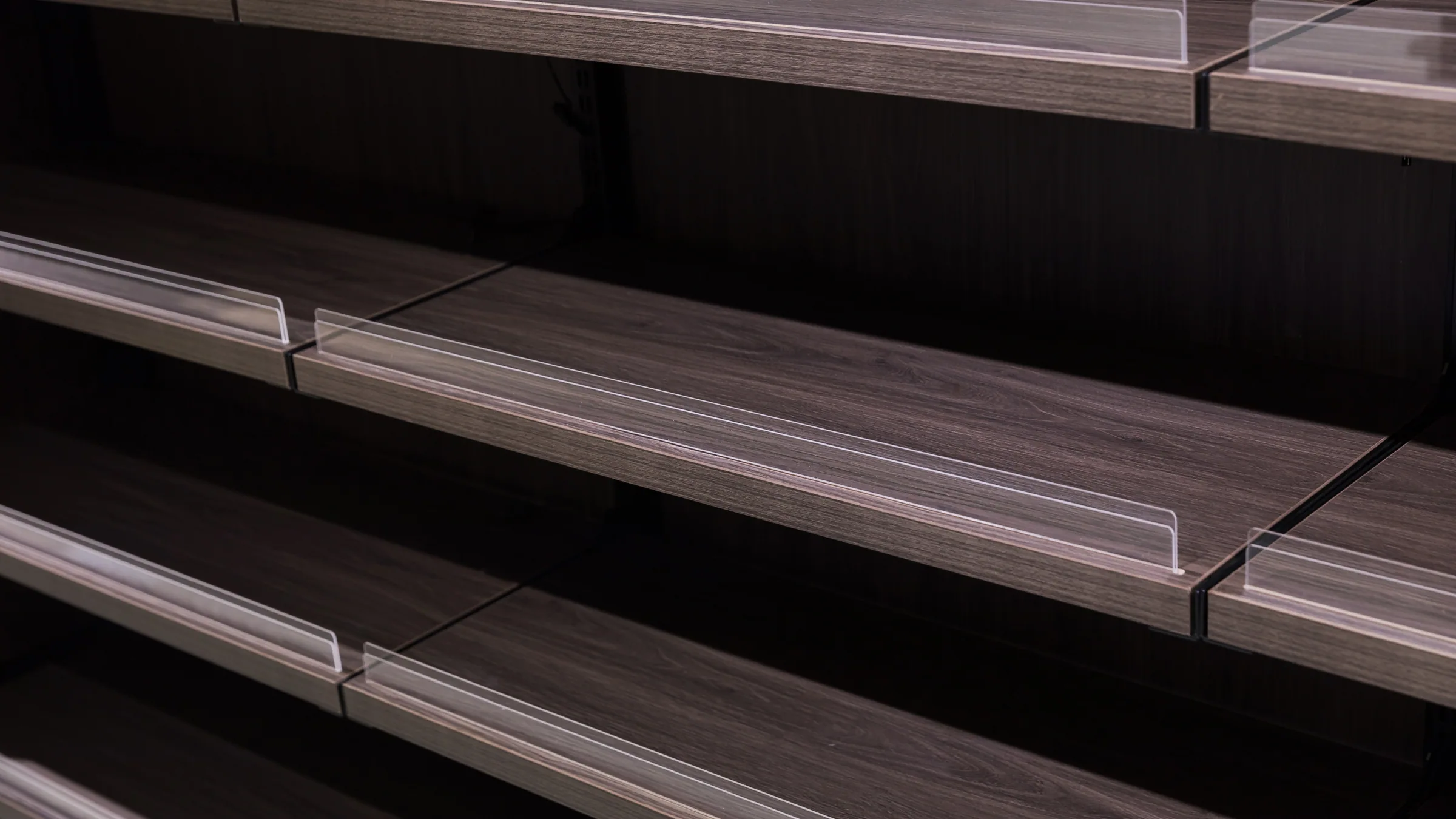
Every one of those has a fixture consequence. Depth of facing needs shelf depth. A mass effect needs bay width. One visible price needs a ticket holder that is part of the fixture rather than taped on. This is why the layout conversation and the equipment conversation should be the same conversation.
What This Means For An Enquiry
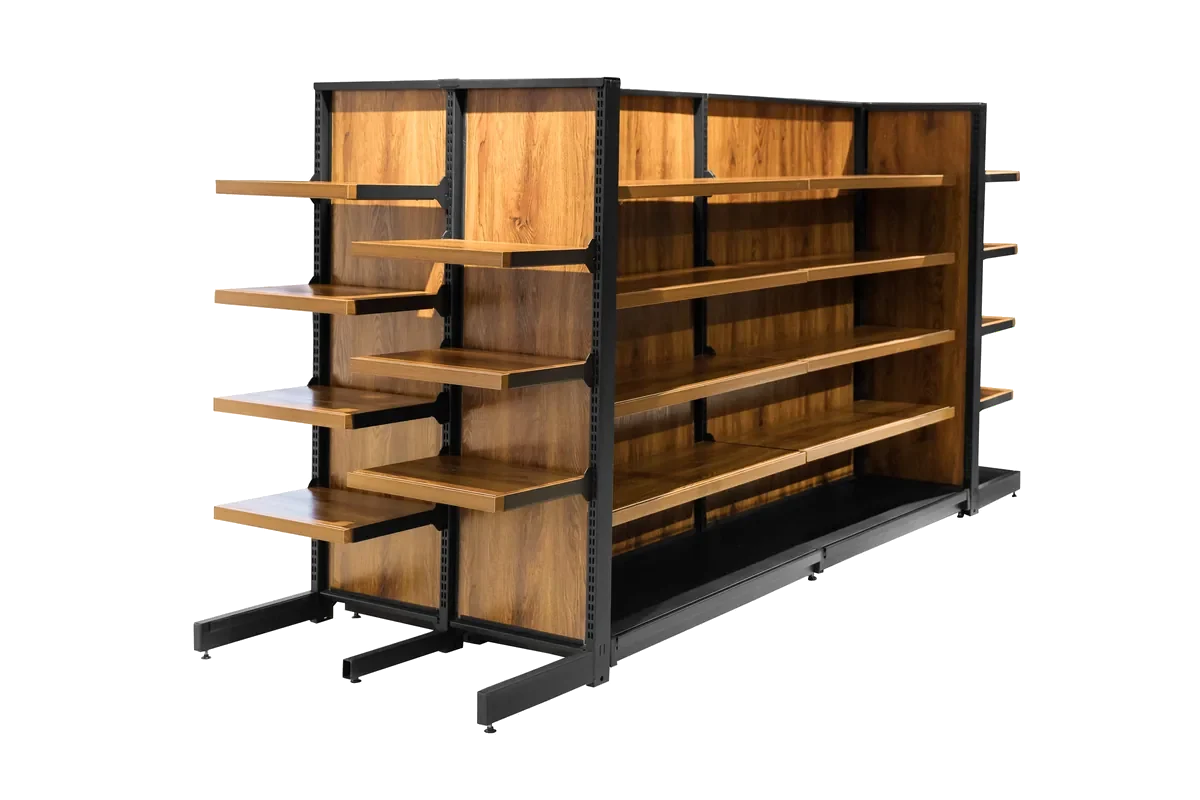
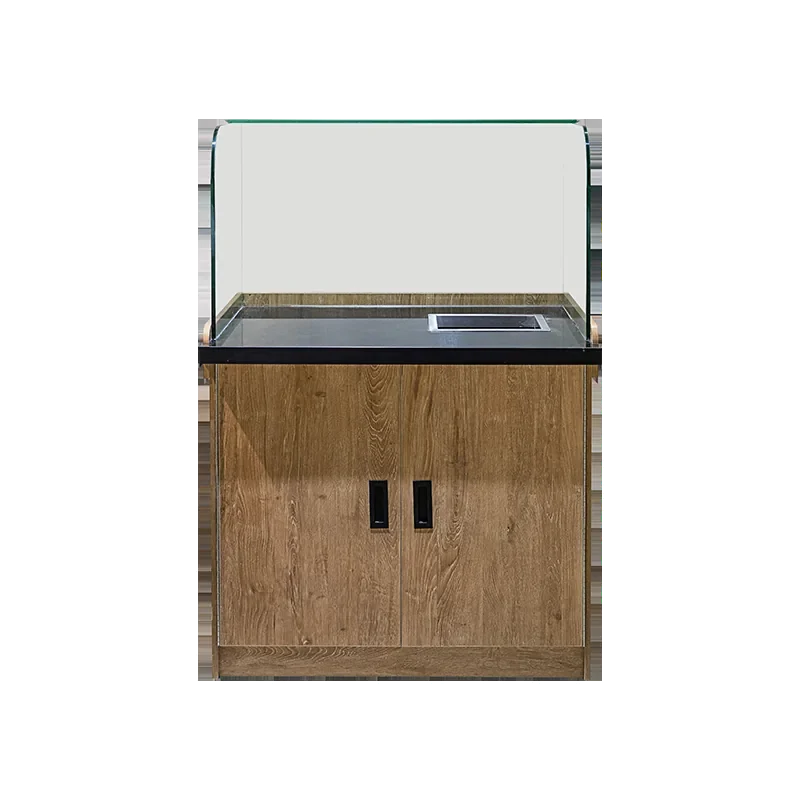
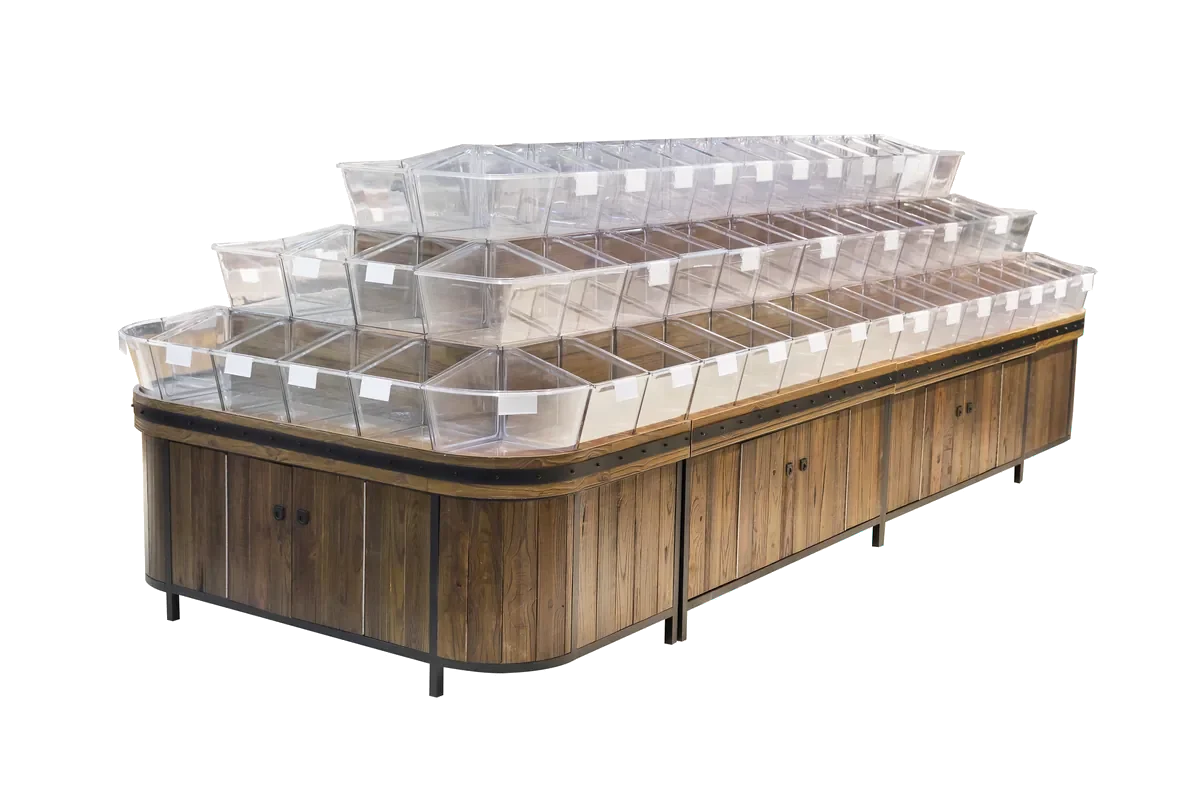
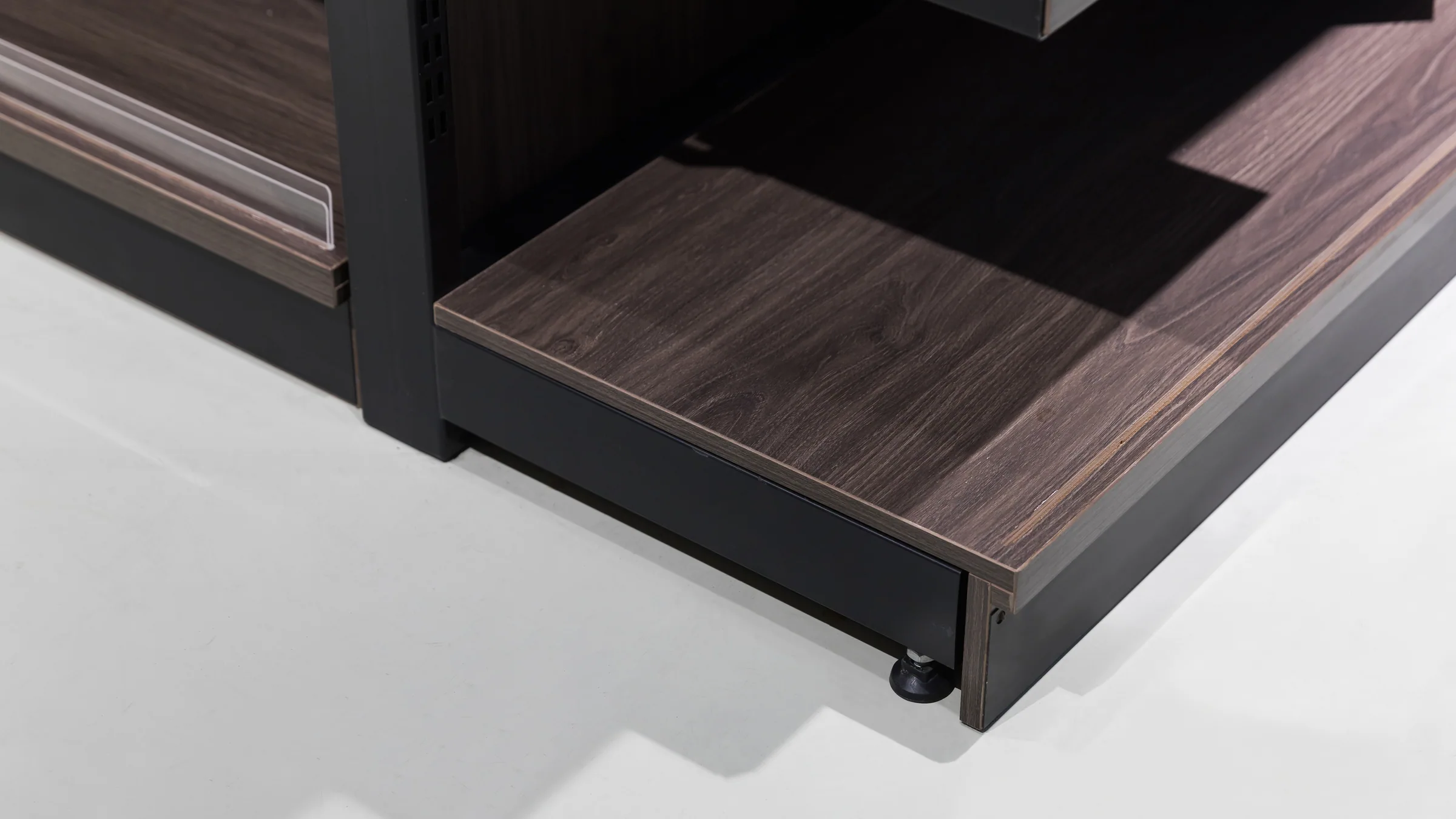
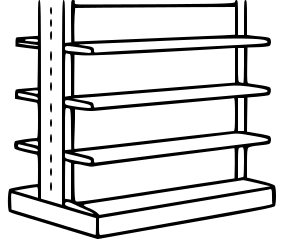
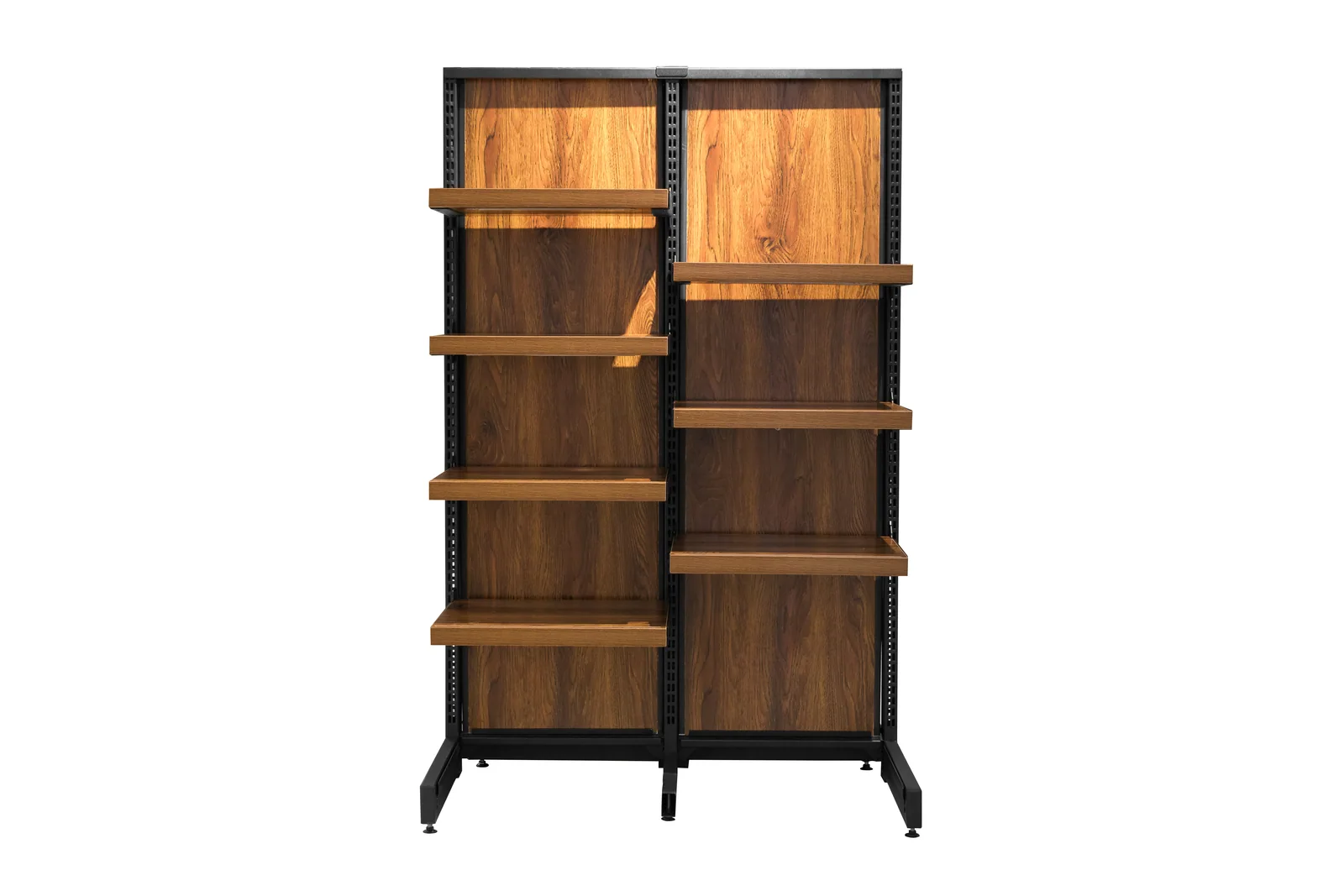
If what you need is stockroom storage for palletised goods, say racking and give us the pallet size and the machine you use. If what you need is shop floor equipment that sells things, say shelving and give us the aisle width, the ceiling height and what each run has to carry. We build the second: steel and wood shelving, on a 1000 mm bay module, in single-sided and double-sided builds.
What is on record for this category
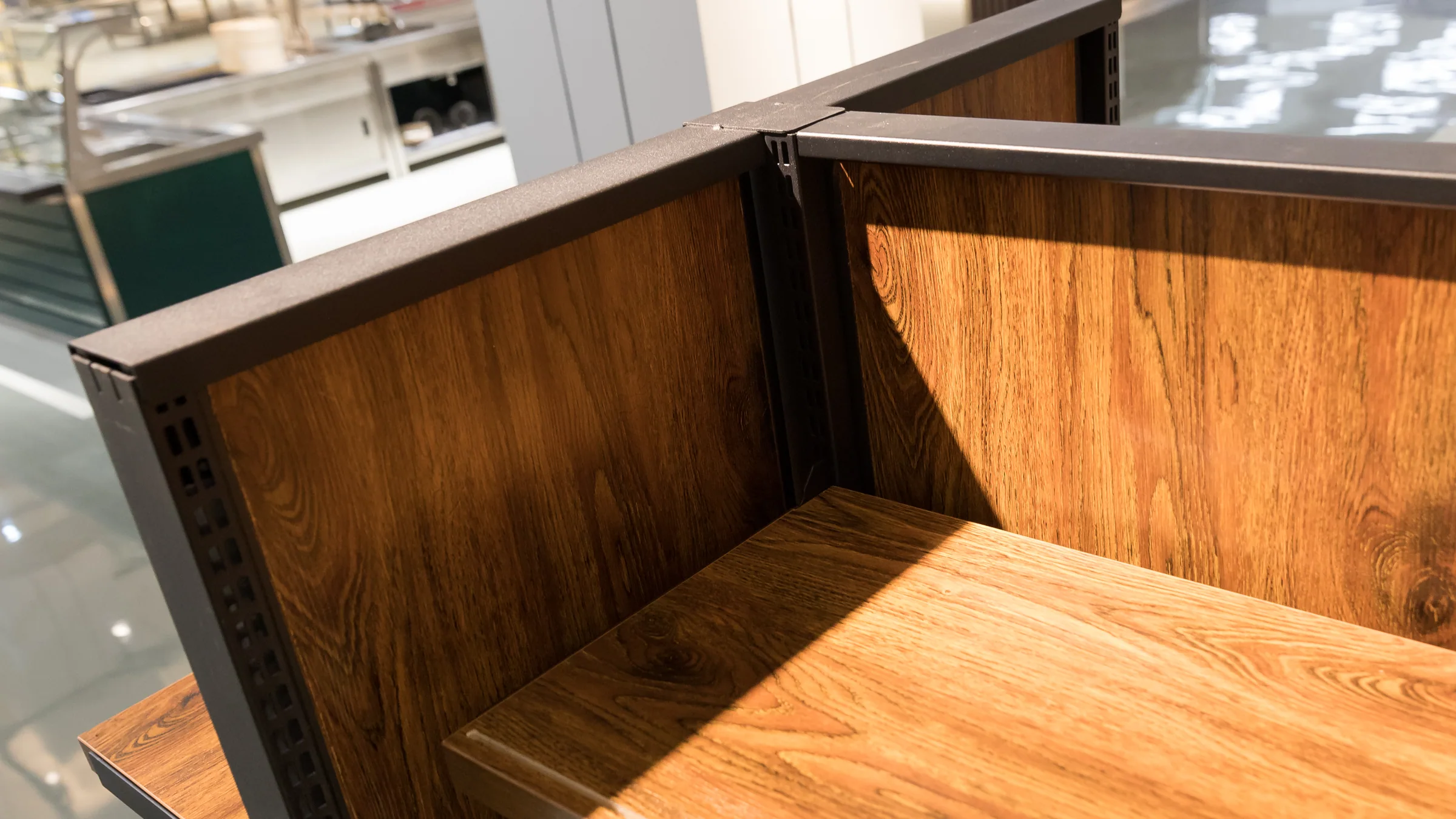
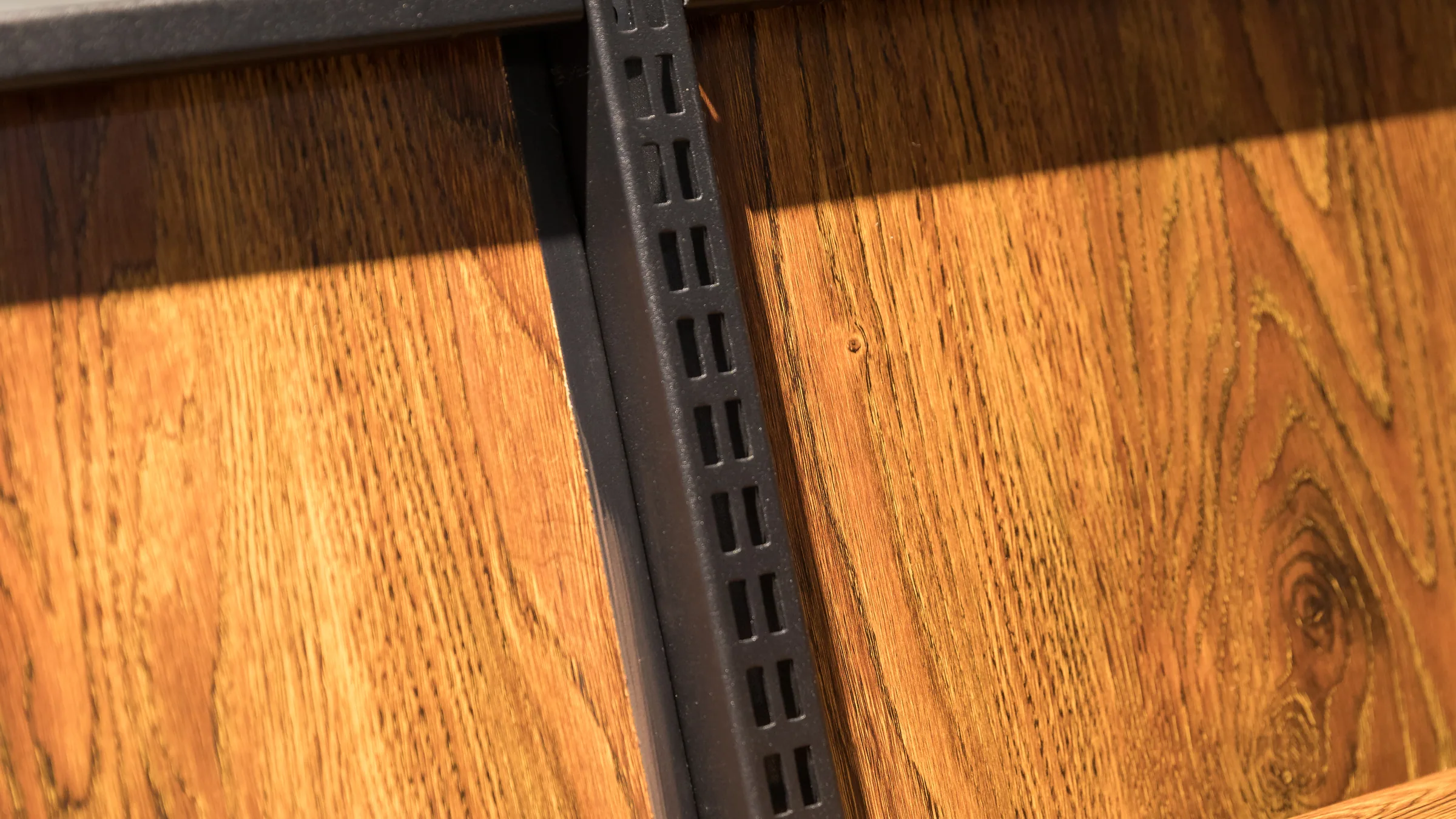
Recorded bay modules are L1000 × W400 × H1700 mm per group single-sided and L1000 × W800 × H1500 mm per group double-sided. Frames are folded from 0.8 to 1.5 mm metal sheet and powder coated; timber facings are 1.5 to 2.5 mm board. Shelf positions run up the upright and are adjustable after installation.
Keshun Technical Team. First published 18 February 2019, rewritten 8 August 2026. The placement rules above are from our own store planning notes; the bay modules are on record for this category.