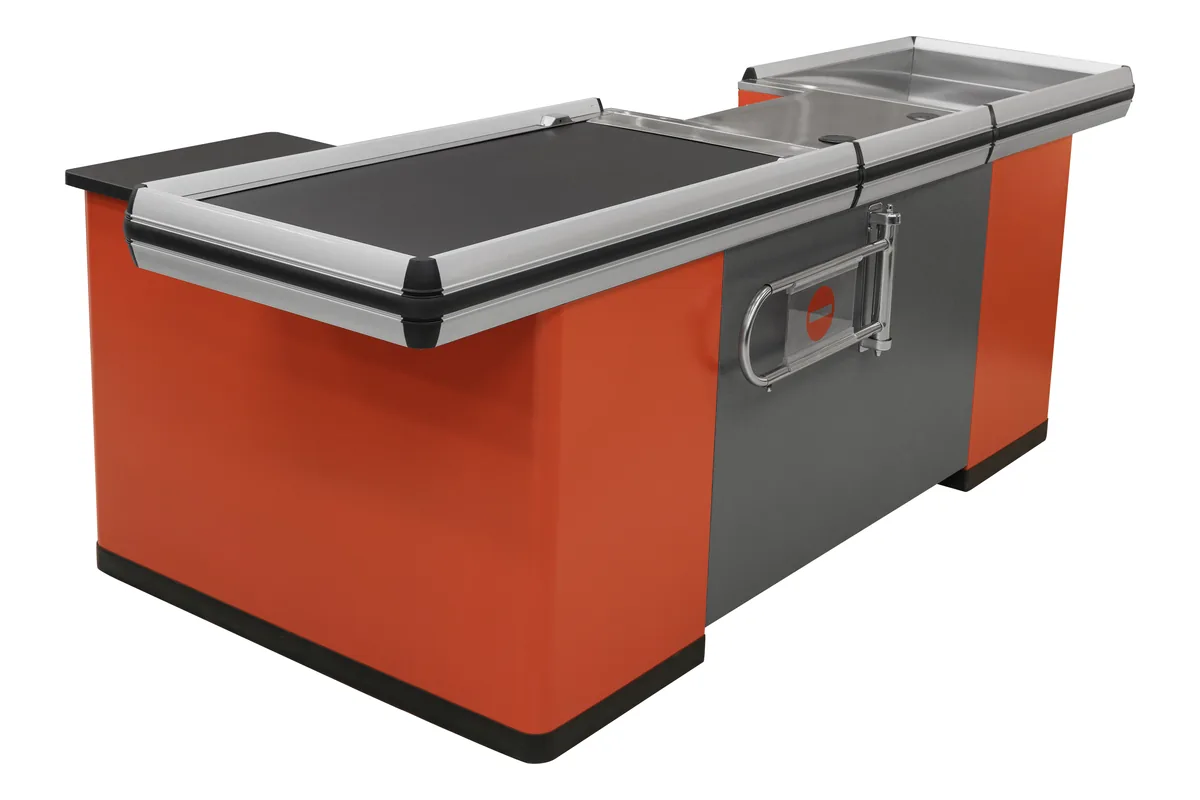

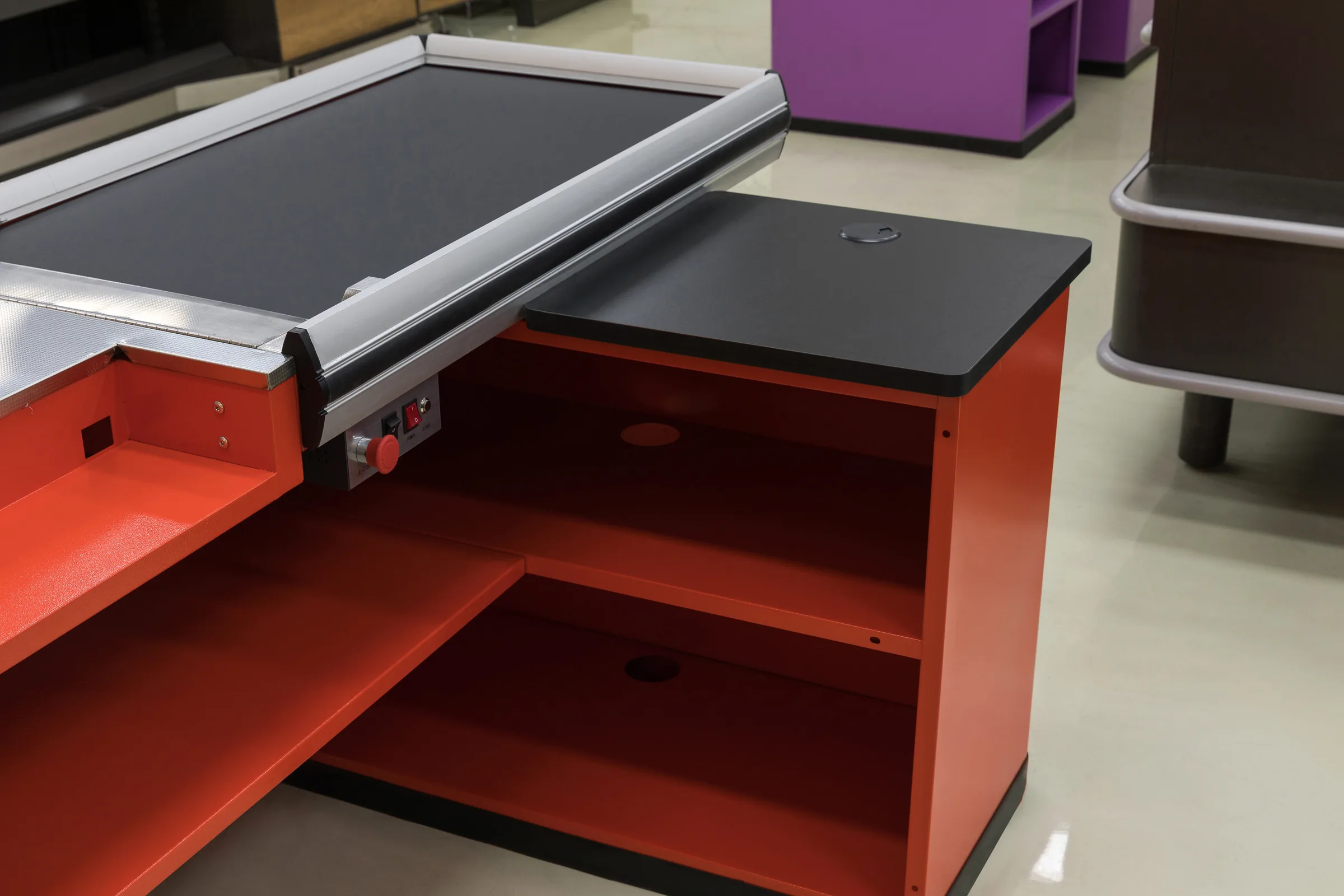
Red Keshun supermarket checkout counter with a conveyor belt and open packing shelf installed on a store floor

Supermarket Checkout Counters

Cashier Counters, Wood Checkout Counters and Checkout Counters With Conveyor Belt

From a 1200 mm small cash counter to a 2000 mm main lane with a belt — and every one of them built on the same 850 mm worktop.

Full Range

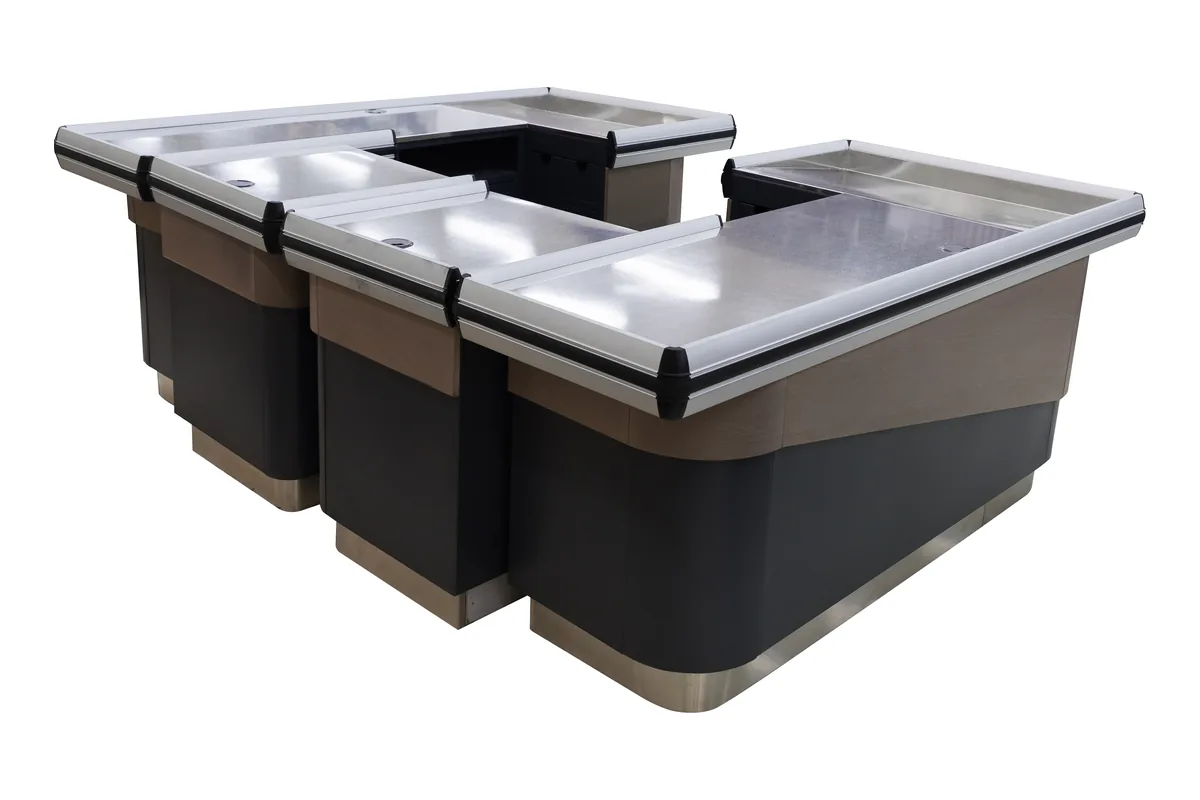
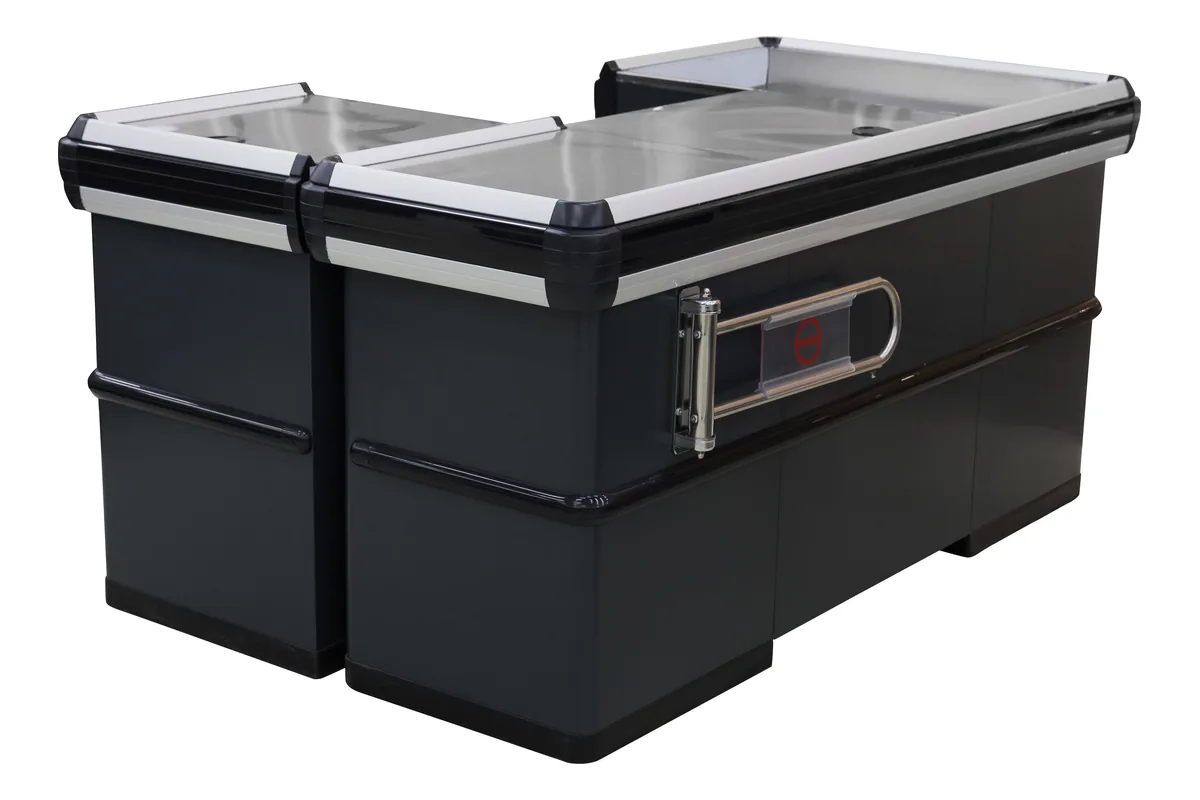
Cash Register Counter Designs We Have Built

Seventeen checkout counters, photographed in our own studio. None of them is a catalogue number you order off a page — length, depth and fittings are set against the front end they have to fit. Find a body that looks close to what you want, then read the ruler below to work out the size.

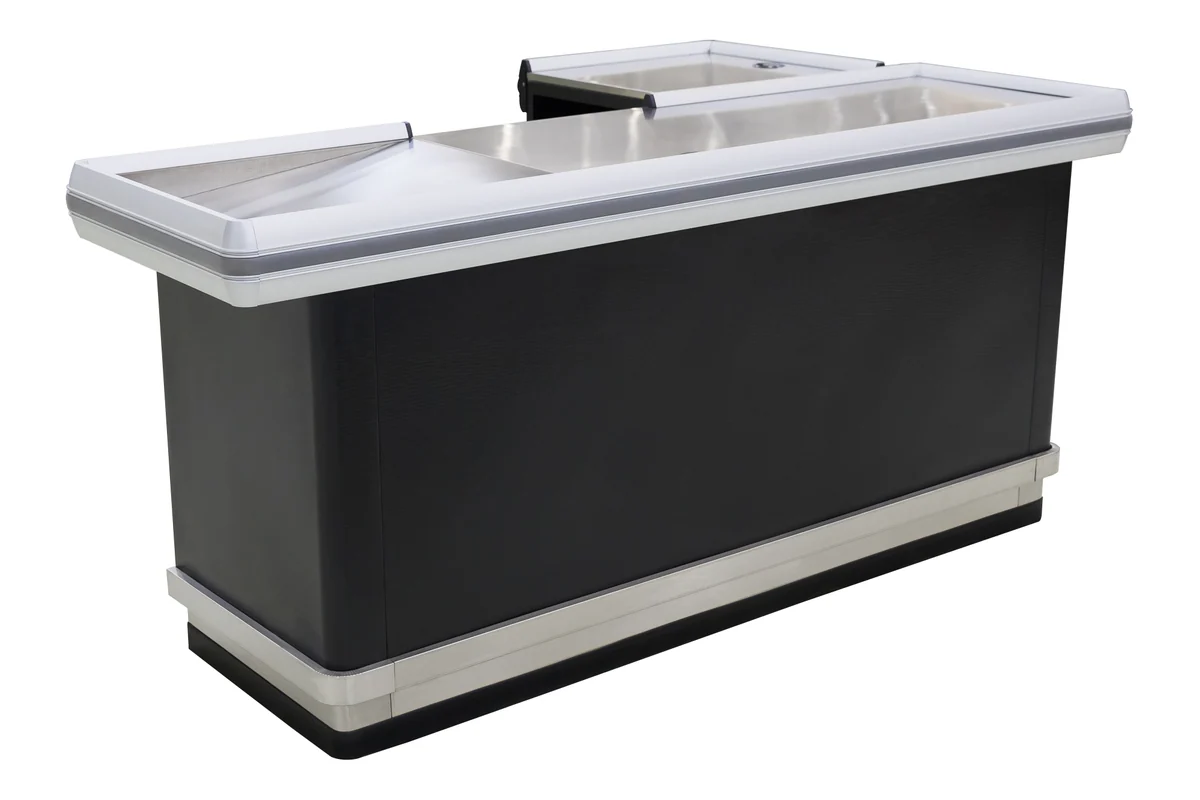
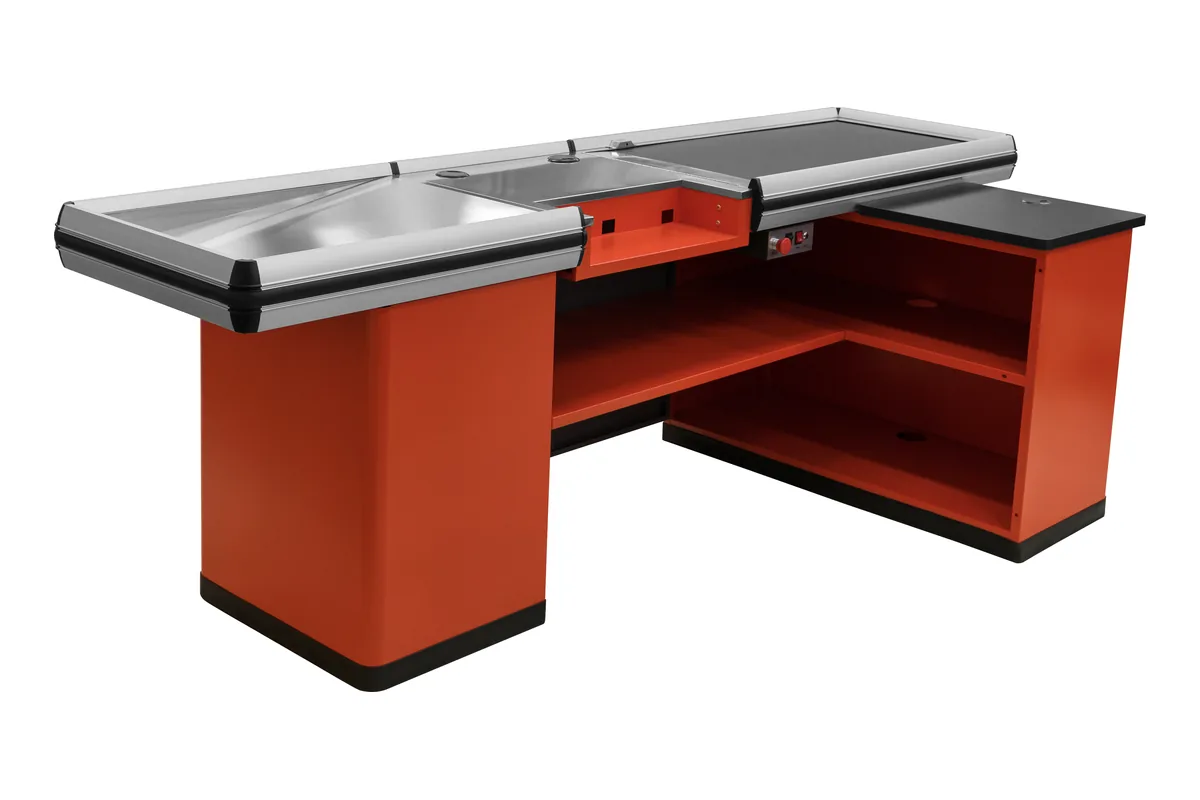
Checkout counter with conveyor belt and open packing shelf

A powered belt feeds the scan point while the shopper side stays open, so baskets and bagged goods have somewhere to sit on a lane that is working hard.

Belt lane in painted steel

Open the product file
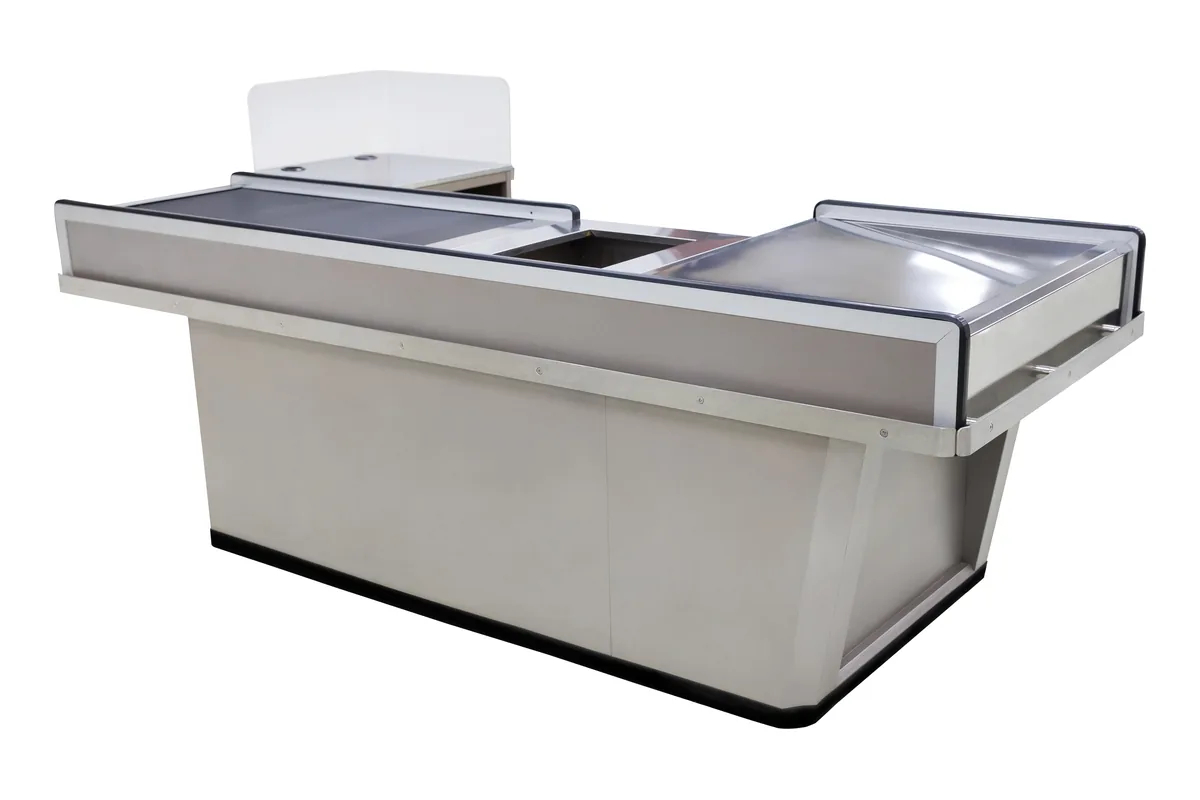
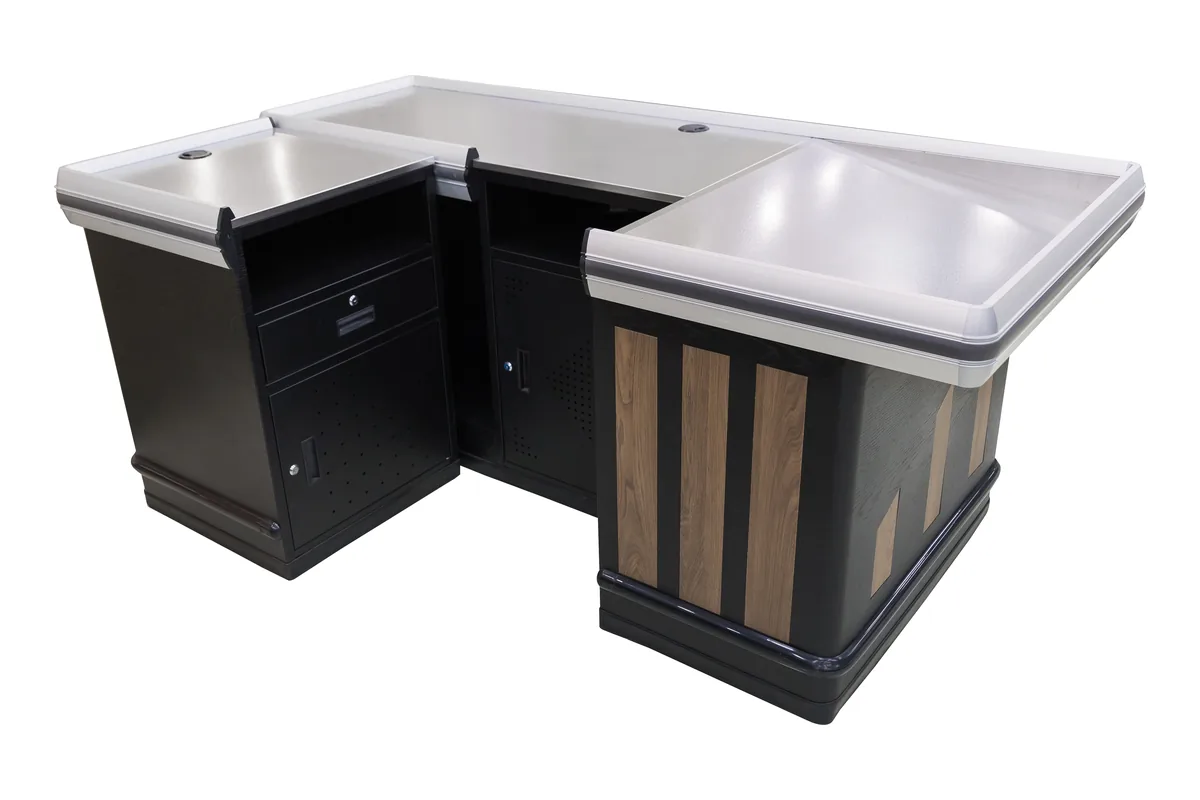
Long supermarket cashier counter with a drawer bank

Belt section, scan well and a bank of lockable drawers in one straight run, with a raised end panel closing the lane off from the aisle behind it.

Belt lane with a drawer bank

Open the product file

Wood checkout counter for a corner lane

An L-shaped body that turns the corner of the front end, faced in vertical timber slats over a dark carcase and topped in stainless on both wings.

Corner counter in slatted wood

Open the product file

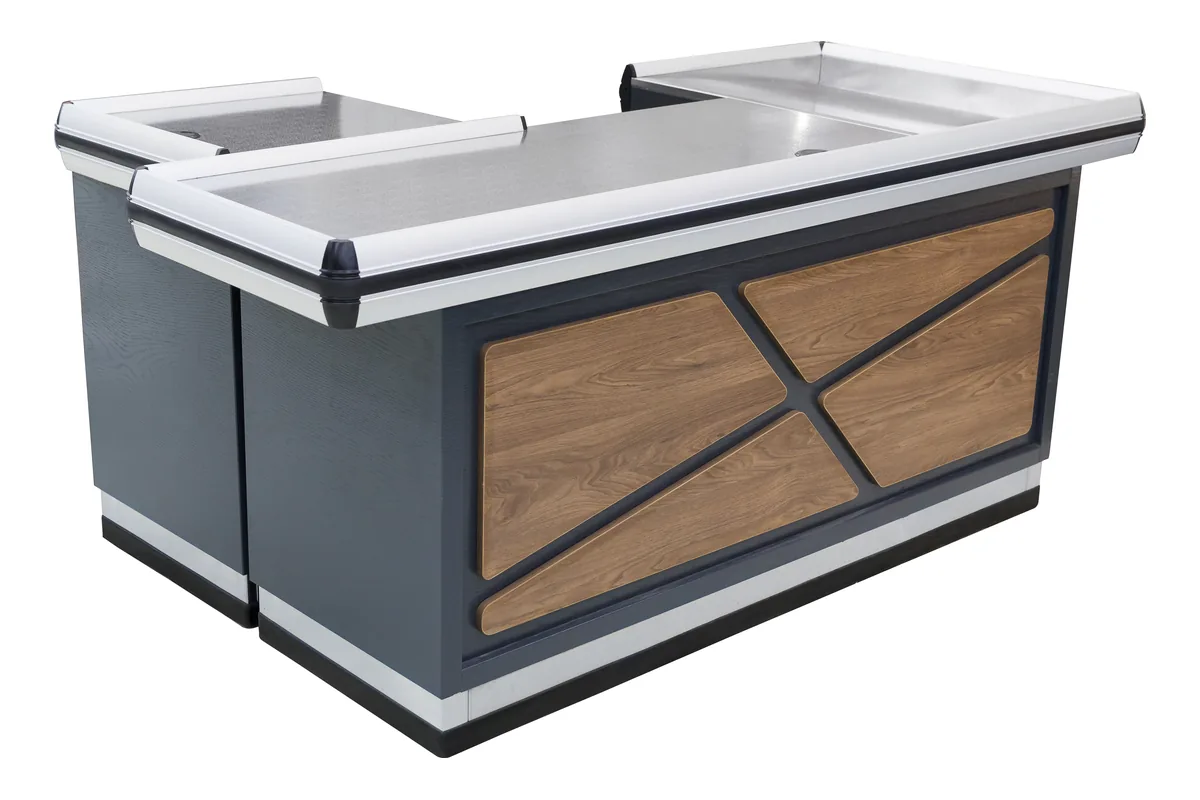
Cashier counter table with a cross-braced wood panel

A straight counter whose customer face carries a cross-braced timber panel — the detail a store reaches for when the checkout has to sit inside a wood-shelved interior.

Straight counter in wood and steel

Open the product file
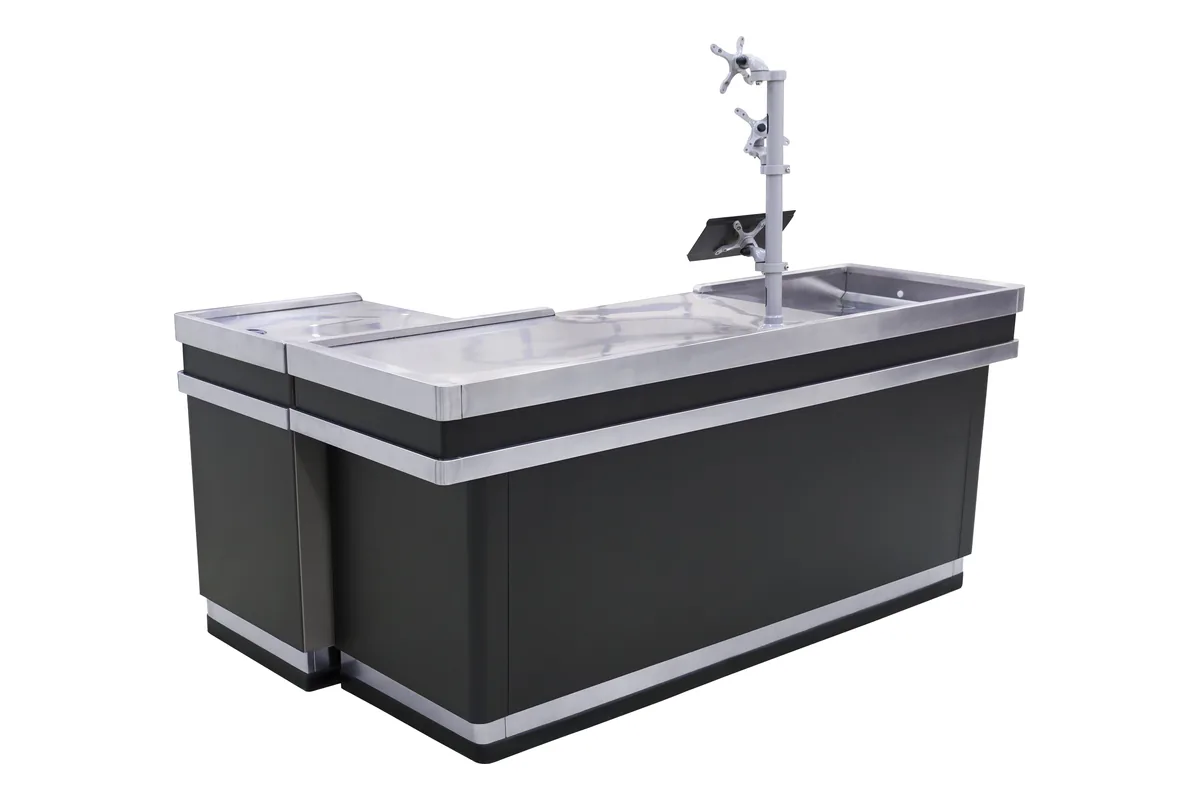
Store cashier desk with a scanner and monitor arm

A charcoal counter with the till column carried on a pole arm, so the screen can turn towards the shopper without taking worktop away from the cashier.

Straight counter with a pole arm

Open the product file

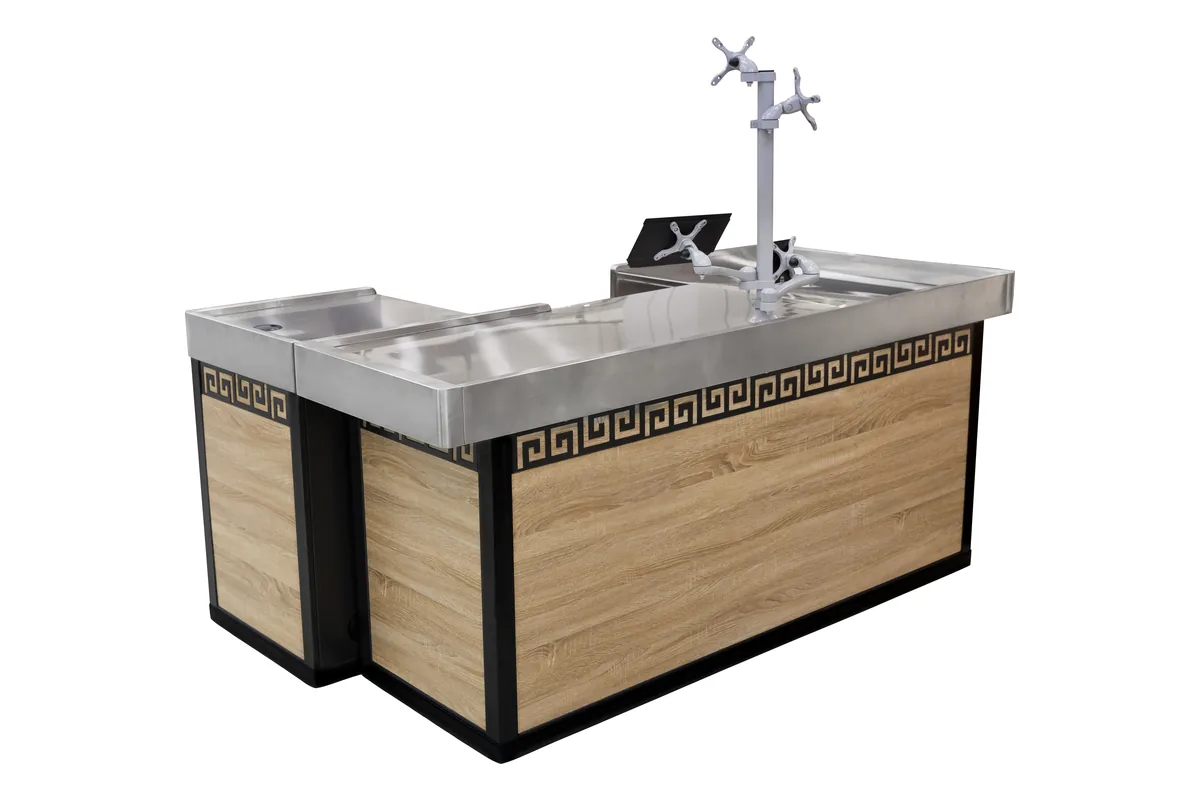
Wood checkout counter with a Greek key border

Warm timber panels with a patterned band running under a polished stainless top, and the same pole-mounted screen arm. Built for boutique and specialty floors.

Boutique checkout counter in wood

Open the product file

L-shaped checkout counter with a stainless top

An L-shaped lane with the stainless top carried through the corner in one line, a deep pressed well at the till and open storage along the staff side of the base.

L-shaped, stainless top

Open the product file

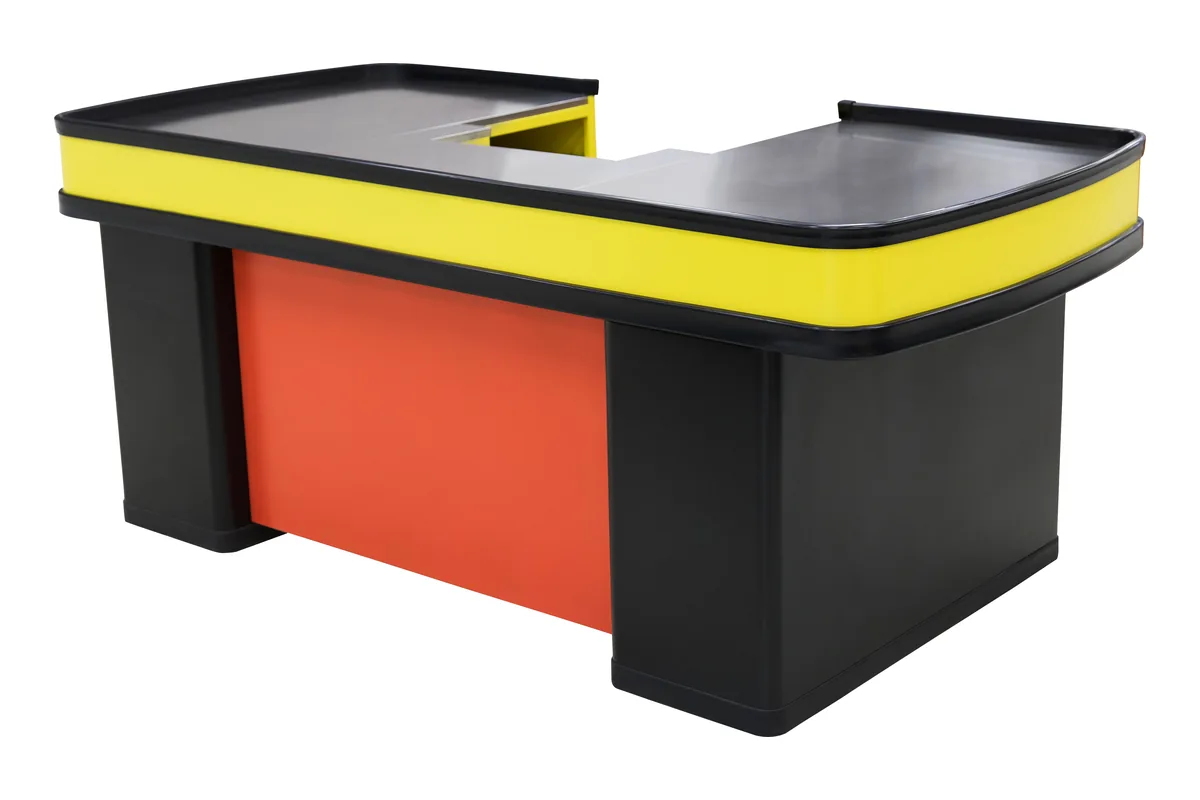
Retail checkout counter in a two-colour livery

An L-shaped counter in orange and yellow. Colour is a store identity decision here, and the carcase is sprayed to whichever RAL or PANTONE reference the brand works to.

Corner counter in two colours

Open the product file

Cash desk counter with angled wood facing

A long straight body faced in pale timber with dark angled inserts, closed off with the standard rolled border around a stainless top.

Straight counter in wood and steel

Open the product file
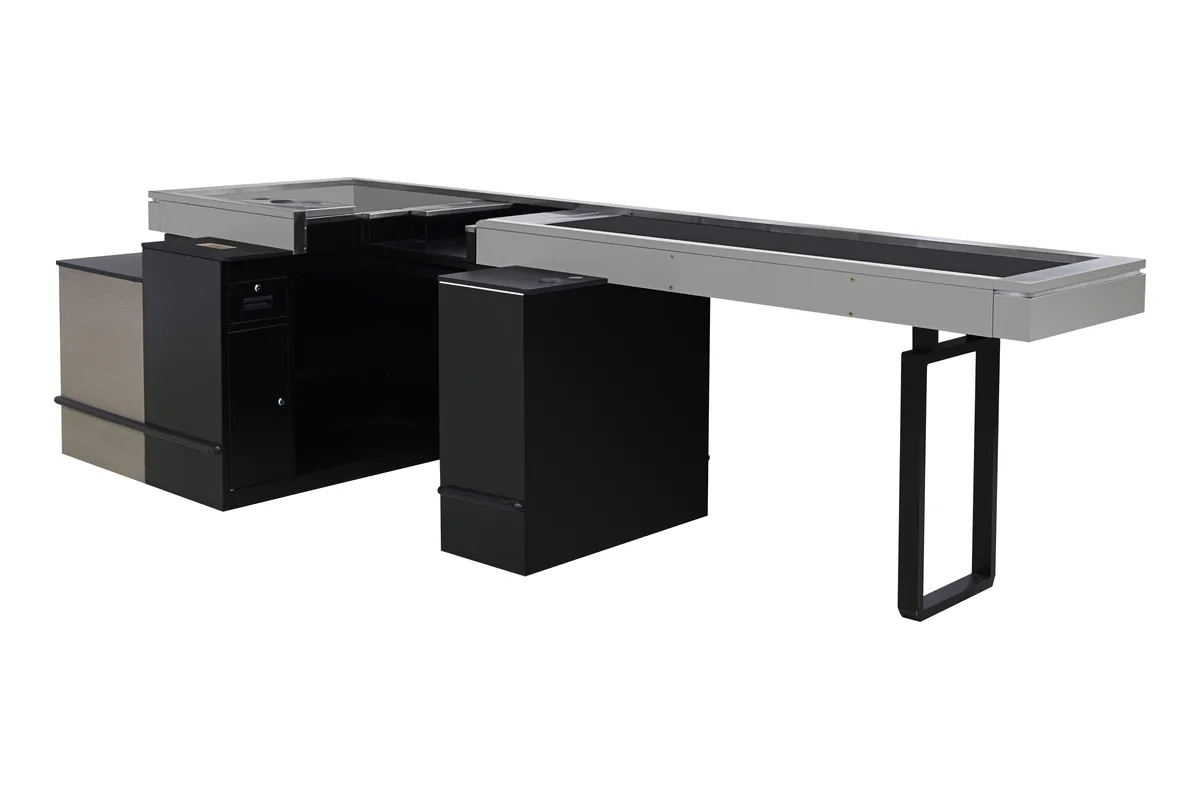
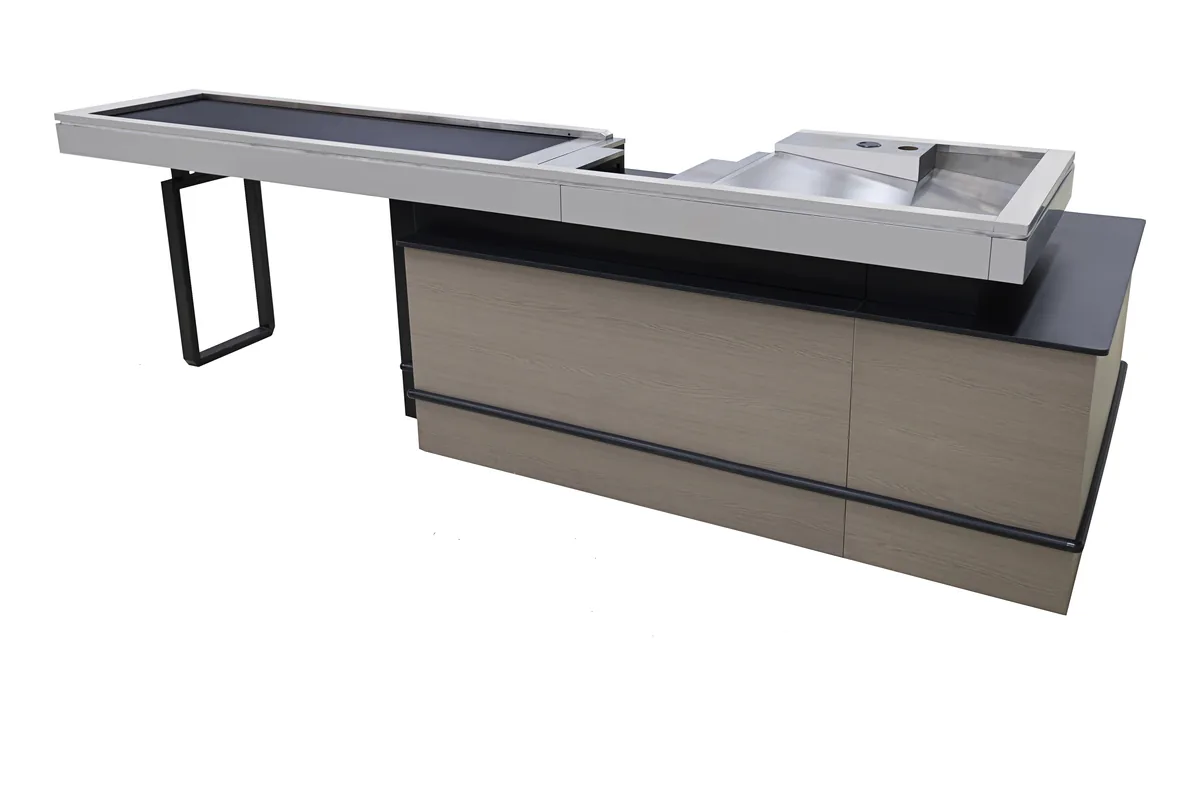
Open frame cashier counter without a belt

Two cabinets carrying an open stainless deck on a tubular leg. Nothing sits under the deck, so the lane reads light and the floor stays visible through it.

Open frame lane with a flat deck

Open the product file

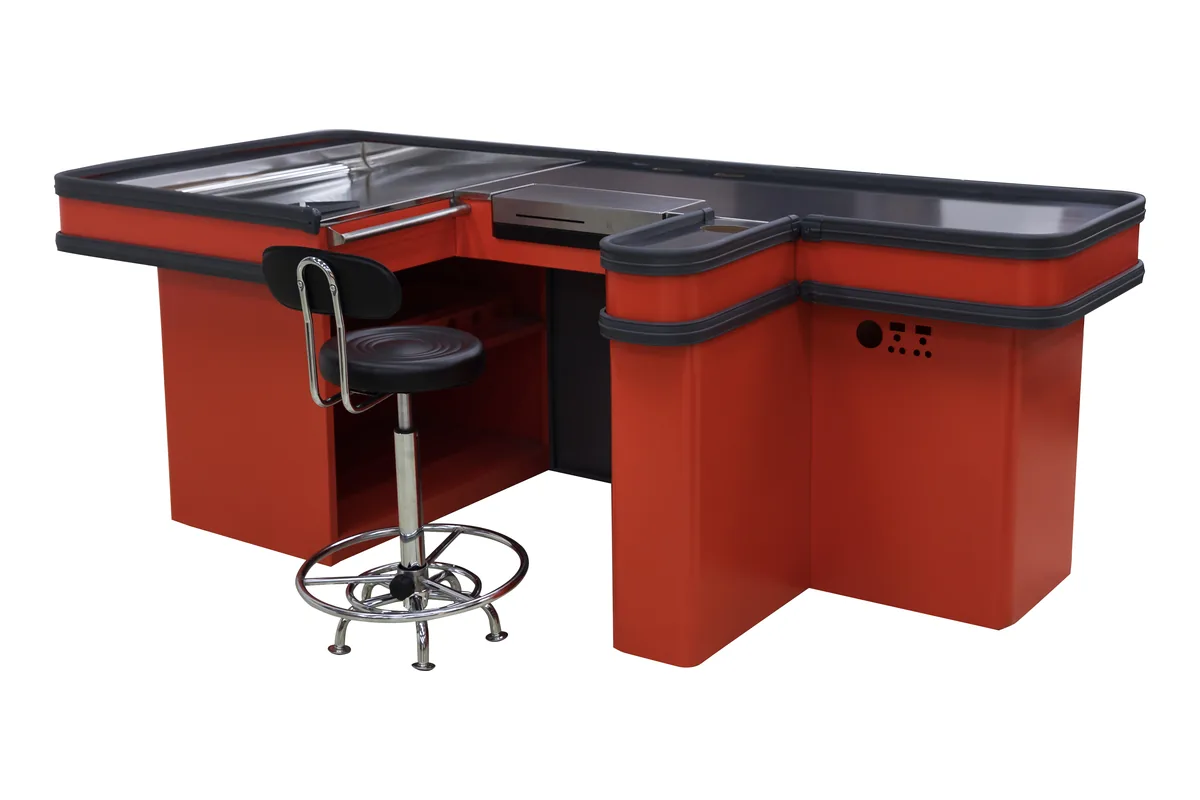
Checkout counter with twin wings and a cashier seat

A red double-wing body wrapping the cashier position, shown with the seat that belongs to a lane worked sitting down rather than standing.

Wrap-around counter with a seat

Open the product file

Twin position supermarket cashier counter

Two working positions joined into one run of wide stainless tops, so a lane can be manned by two people at peak and by one for the rest of the day.

Twin position counter

Open the product file

Checkout counter cashier desk with a banded front

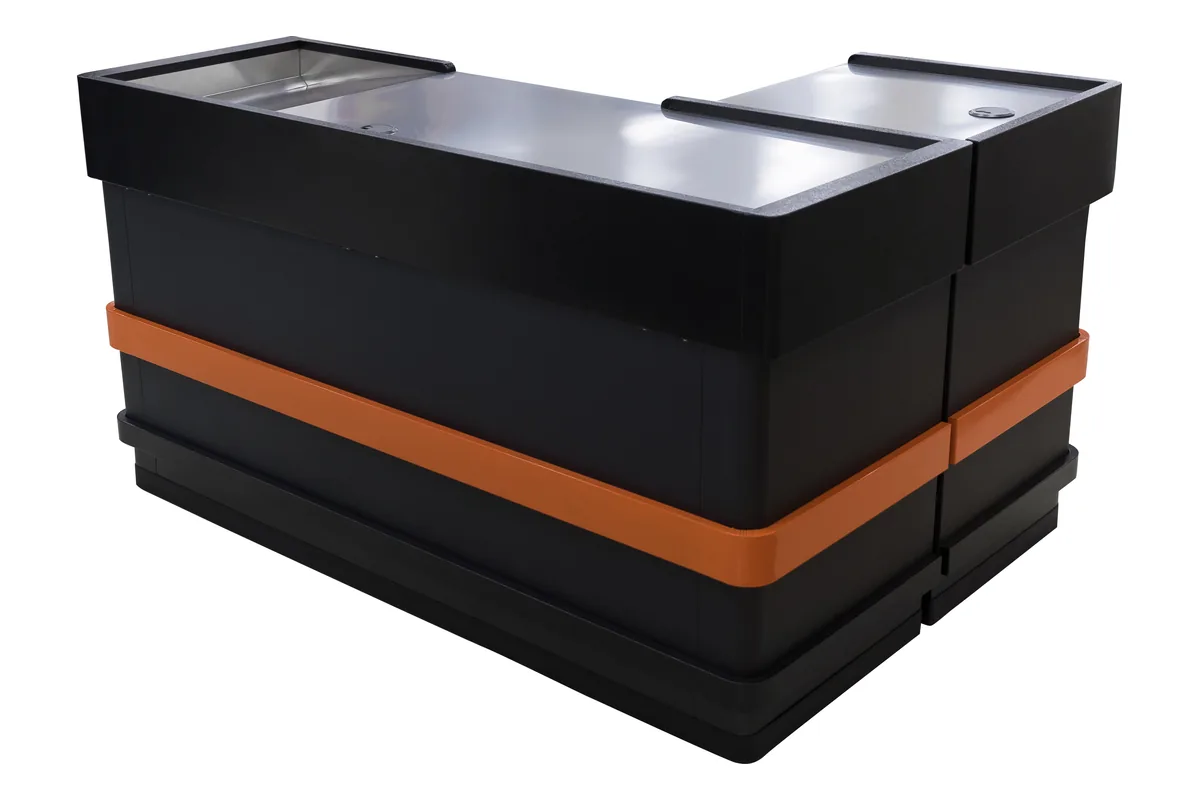
A black L-shaped counter with an orange band running the full length of the customer face — a cheap way to carry a brand colour without painting the whole carcase.

Corner counter with a colour band

Open the product file

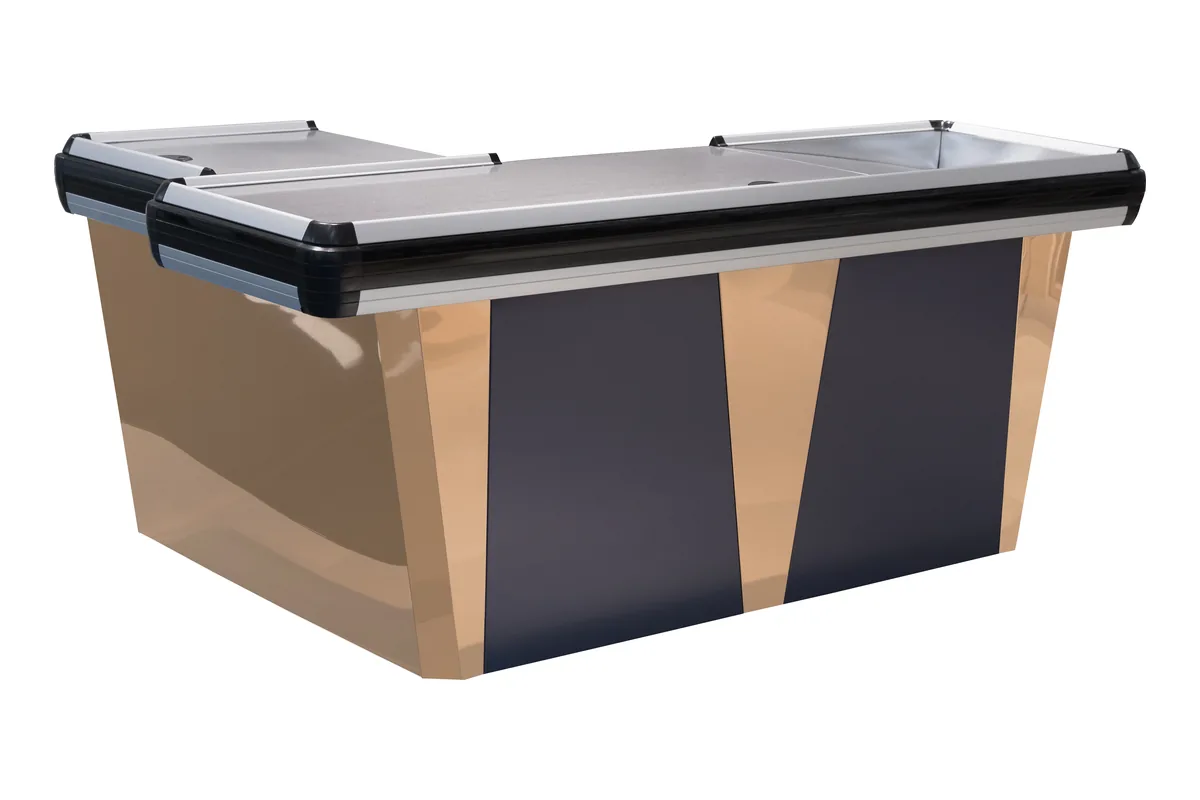
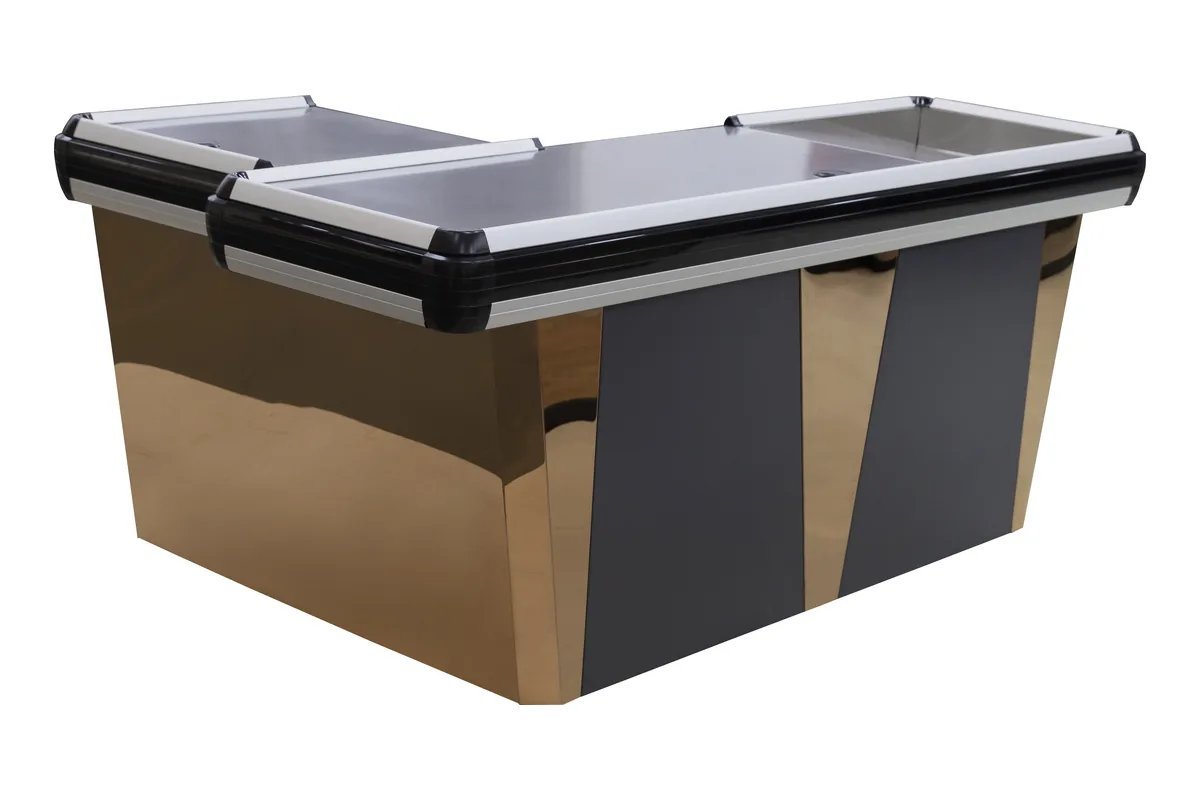
Mirror finish cashier counter in champagne and charcoal

An L-shaped body in two tones, the lighter panel facing the shopper and the darker one taking the wear on the working side.

Corner counter in two tones

Open the product file

Counter checkout with a chrome bag holder rail

A dark counter with the bag holder rail fitted to the end panel, keeping carrier bags open and within reach of the packing end.

Straight counter with a bag rail

Open the product file
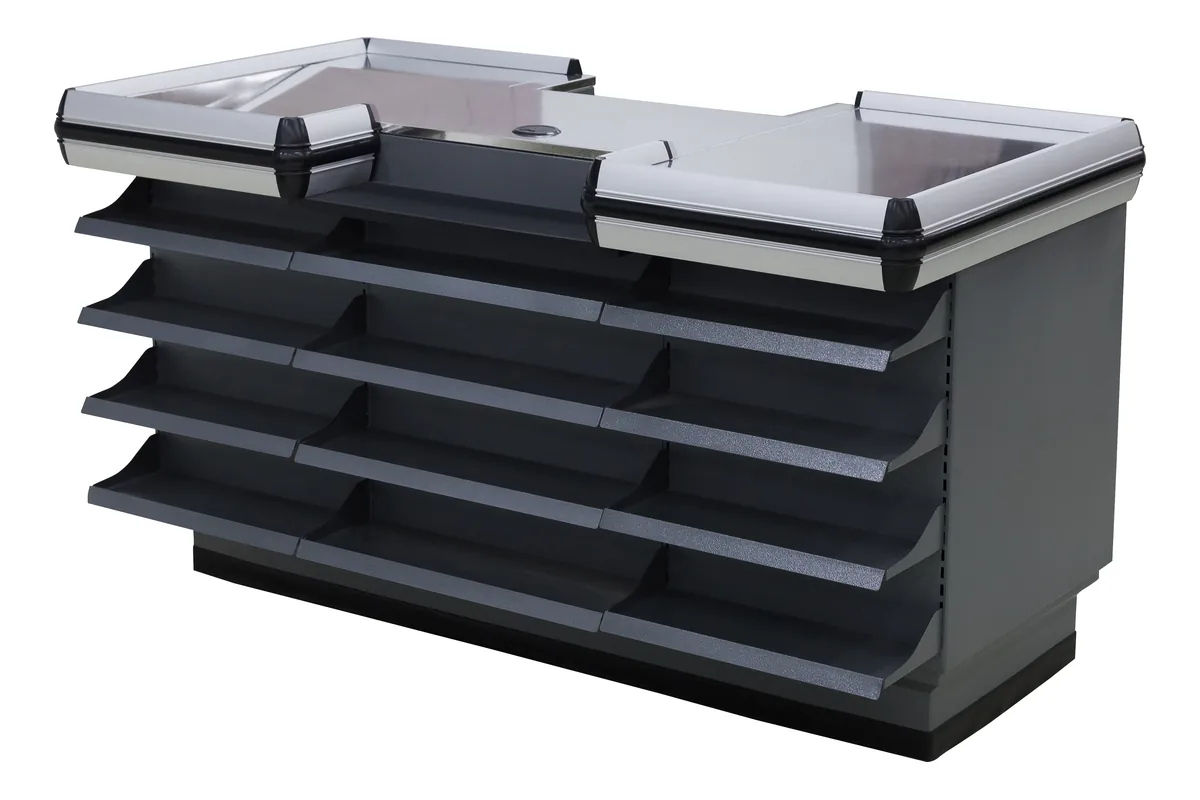
Checkout counter with a tiered side display

Five slanted shelves are built into the side of the counter, turning the queue side of the lane into impulse display instead of dead panel.

Counter with impulse shelving

Open the product file
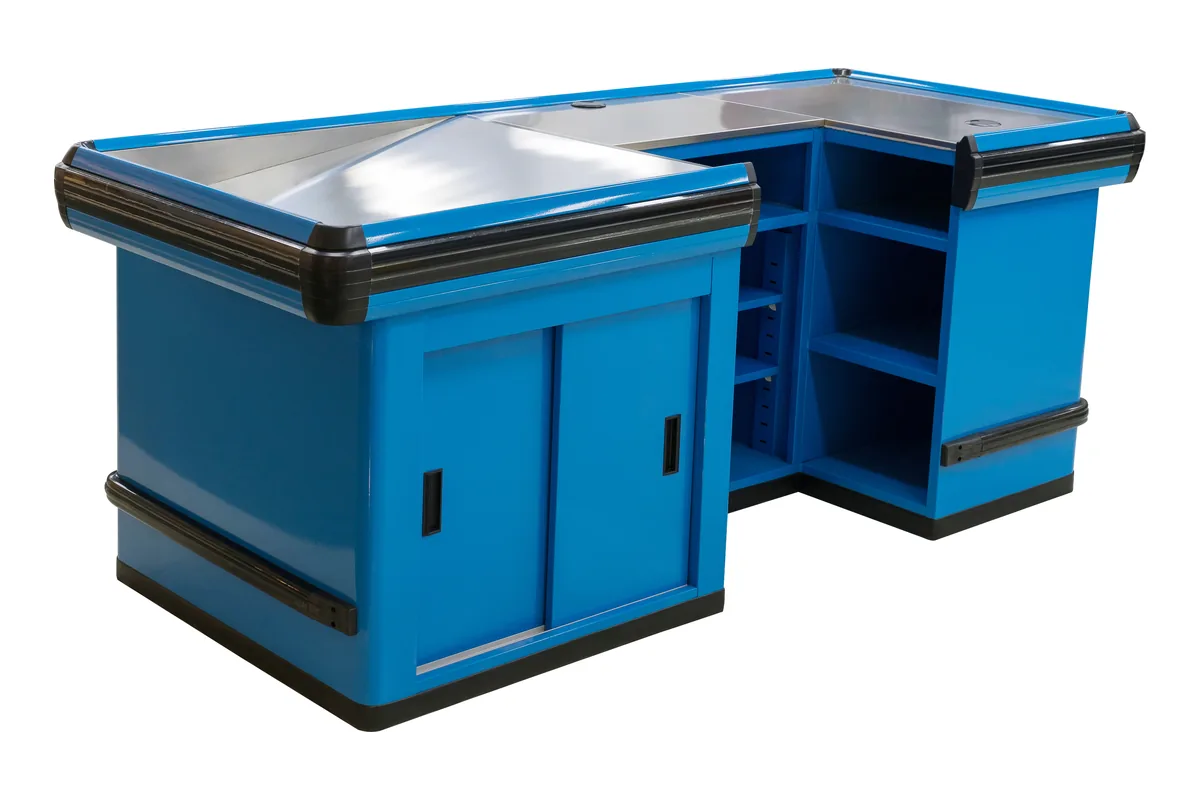
Boutique checkout counter in blue

An L-shaped counter with closed cabinet doors on both wings, so everything kept behind the till stays out of sight from the customer side.

Corner counter with closed cabinets

Open the product file
Two lists exist for this category and they are not yet joined up: the seventeen bodies above, photographed in the studio, and thirteen model numbers held with dimensions in our records. Rather than guess at the join, we publish both and send the current model sheet with the quotation. Sizes on this page are only the ones we can evidence.

Selection Axis

How To Choose A Retail Checkout Counter: Start With Length

In most equipment categories you compare a column of figures. In this one, one figure never moves and one figure decides everything else. So what follows is not a specification table — it is a ruler, and every counter we have a record for is drawn on it to scale.

The constant

Worktop height on every supermarket cash counter

Thirteen counters in our records carry dimensions. Every single one of them is 850 mm to the top of the worktop, in four lengths and six depths. That height is set by the person standing at the counter, not by the counter, which is why it is also the height of the cashier stand module beside it.

Worktop height 850 mm 13 of 13 recorded counters
Cashier stand module 600 × 600 × 850 Listed with 9 of the 13

Nothing further down this page moves either of those two. What does change from store to store is how long the lane can be and how deep the body has to be, and those are the two rulers below.

The ruler

Checkout counter table length from 1200 to 2000 mm

Each bar is drawn at its real length on the same scale, so the shape of the block is the answer. Our recorded counters land on four lengths and nothing in between: 1200, 1800, 1850 and 2000 mm. Seven of the thirteen are 2000 mm, which is what a main supermarket lane with a packing end usually needs.

Recorded Keshun checkout counter lengths drawn to scale on a 0 to 2100 mm ruler: two counters at 1200 mm, three at 1800 mm, one at 1850 mm and seven at 2000 mm, every one of them on an 850 mm worktop KS-0101-1 1200 × 1200 × 850 KS-084 1200 × 1200 × 850 KS-0205-2 1800 × 600 × 850 KS-0202-1 1800 × 1100 × 850 KS-0203-1 1800 × 1800 × 850 KS-112 1850 × 1100 × 850 KS-0203 2000 × 600 × 850 KS-0205-1 2000 × 600 × 850 KS-211 2000 × 900 × 850 KS-202 2000 × 1000 × 850 KS-204 2000 × 1000 × 850 KS-0204 2000 × 1000 × 850 KS-0202-1 2000 × 1100 × 850 0 1200 1800 2000 1850 mm
  • Bar length is the recorded counter length, drawn to the ruler below it
  • Supplied with the 600 × 600 × 850 cashier stand in our records

KS-0202-1 sits in the file twice, once at 1800 × 1100 × 850 and once at 2000 × 1100 × 850. Both are reproduced above exactly as the old catalogue held them rather than quietly picking one; confirm the length you need with your enquiry.

Two further counters are on file with no dimensions recorded, KS-182 and KS-209. KS-209 is the wood-in-the-middle build, described in our own records as the counter to reach for when the store is already fitted with wooden shelving. Sizes for both are specified per store plan.

The regroup

Cashier counter depth and the customer aisle

The same thirteen records, sorted by depth instead of length. Depth is the figure that decides how much of the front end one lane eats and therefore how many lanes fit across your shop front. Cashier position and aisle clearance are specified per store plan.

600 mm 3 records KS-0205-2, KS-0203, KS-0205-1

The narrowest body on file. A 2000 mm lane at this depth is almost all length and no width, which is what a convenience store or a second lane wants when floor is the scarce thing.

900 – 1000 mm 4 records KS-211, KS-202, KS-204, KS-0204

The bulk of the file, and the usual answer for a supermarket lane. Enough body to carry a till, a scan well and a packing area on one run without the lane spreading across the front end.

1100 mm 3 records KS-0202-1 twice, KS-112

A wider working zone. KS-112 at 1850 × 1100 is the one our old file kept on the fast food page, where an order is assembled on the counter rather than only scanned across it.

1200 – 1800 mm 3 records KS-0101-1, KS-084, KS-0203-1

Square and near-square bodies, 1200 × 1200 and 1800 × 1800. At this depth the counter stops being a lane and becomes an island that can be served from more than one side.

Lane Types

Two Kinds Of Checkout Lane

Before length, before finish, before colour, this category has one fork in it: does the lane have a powered belt or not? It changes how the lane is worked, how long the body has to be, and how many shoppers can be on it at the same time.

Keshun checkout counter with conveyor belt, red carcase and a control panel at the belt head With a belt

Checkout counter with conveyor belt

Powered belt, separation bar, packing end

An electric belt carries the goods from where the shopper puts them down to where the cashier picks them up. Add the article separation bar and two or three shoppers can be working the same lane at once: the first is packing, the second is being scanned, the third is already unloading. That is the whole case for a belt, and it only pays back where a queue forms.

Keshun cashier counter without a belt, an open steel frame carrying a flat stainless deck Without a belt

Cashier counter without a belt

Flat deck, shorter body, less floor taken

No belt means no motor, no belt deck and a shorter body, so the lane takes less of the front end and costs less to buy. The shopper unloads straight onto the deck and the cashier reaches across it. For a convenience store, a boutique, or a lane that only opens at peak, this is usually the right answer.

Both are built here and both sit on the same 850 mm worktop, so a front end can mix them without the tops stepping. Tell us which of your lanes need a belt and which do not — most stores order some of each rather than one or the other.

Build Detail

What Is Inside A Cash Counter Desk

The four things a buyer checks when a sample counter is finally standing in front of them, quoted from our own build sheet rather than from a brochure.

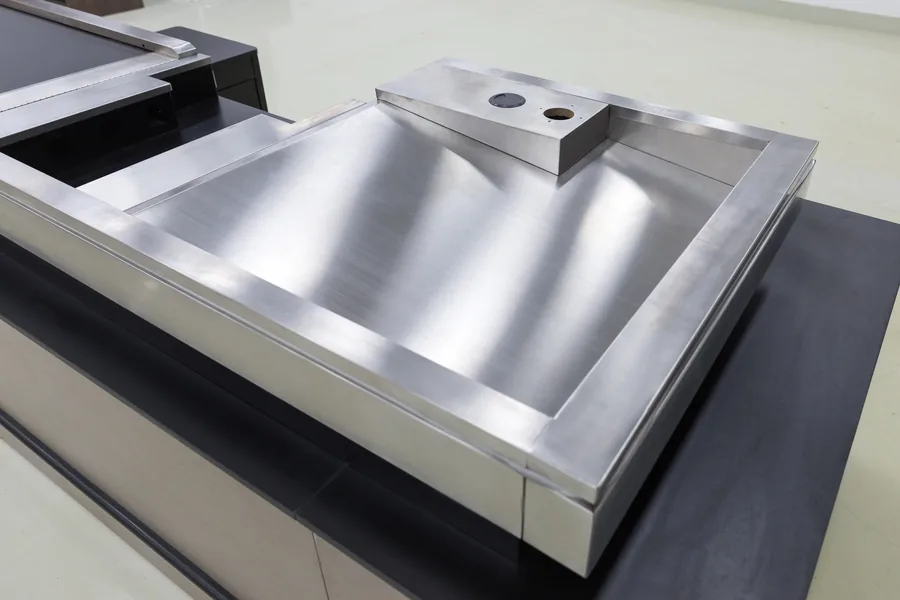
Polished stainless steel top board of a Keshun checkout counter with a welded scan well and cable grommets Worktop

Cash desk counter top board

Polished stainless steel

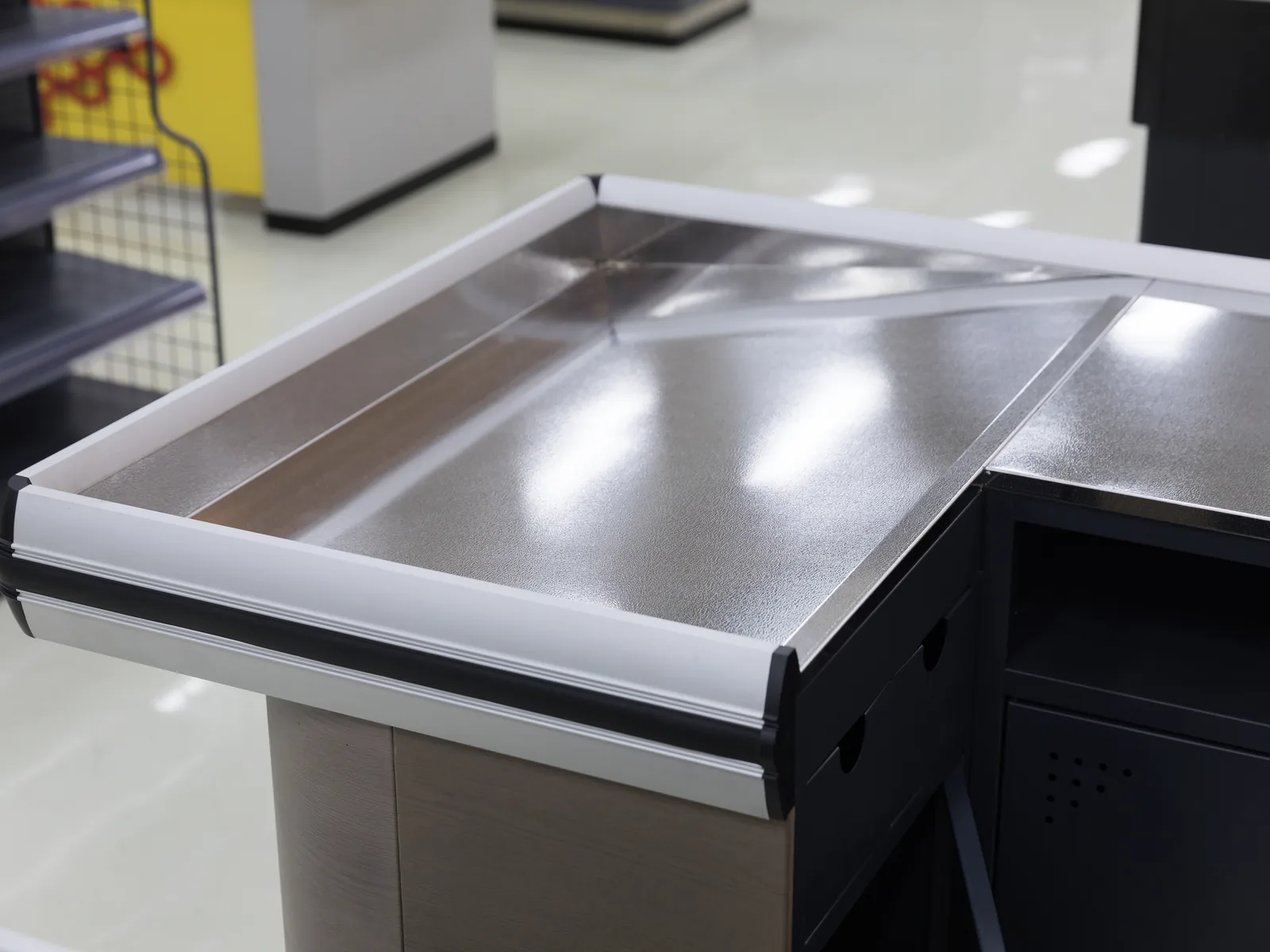
The scan well and the deck are pressed, welded and polished in stainless. It is the one surface that gets wiped down every morning and dragged across every minute of the day, which is why it is not a laminate.

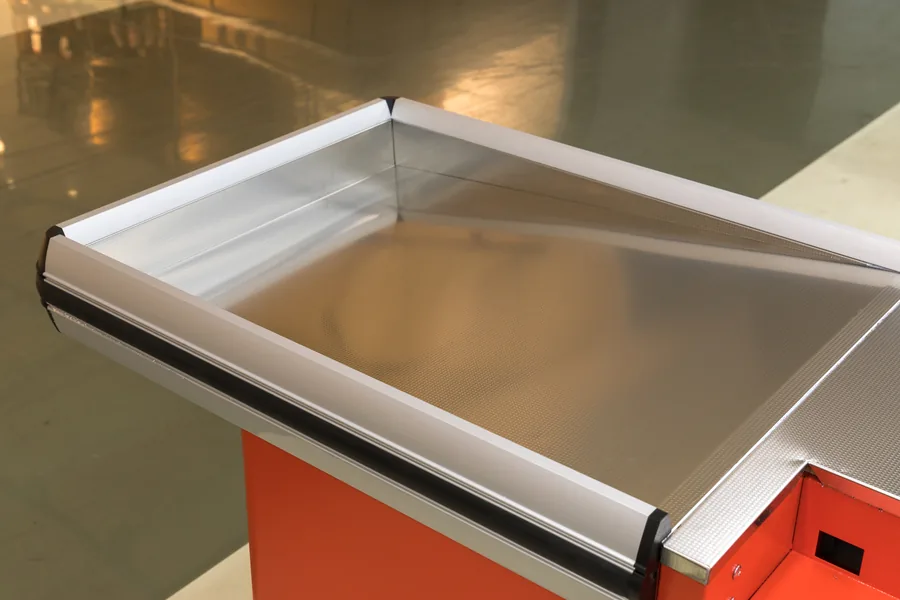
Rolled aluminium alloy border closing the edge of an embossed stainless steel packing tray Edge

Aluminium border on the counter table

Aluminium alloy or aluminium plastic border

The top is closed with a rolled border, in aluminium alloy or aluminium plastic depending on what you specify. It takes the trolley knocks that would otherwise dent the corner of a stainless top within a month of opening.

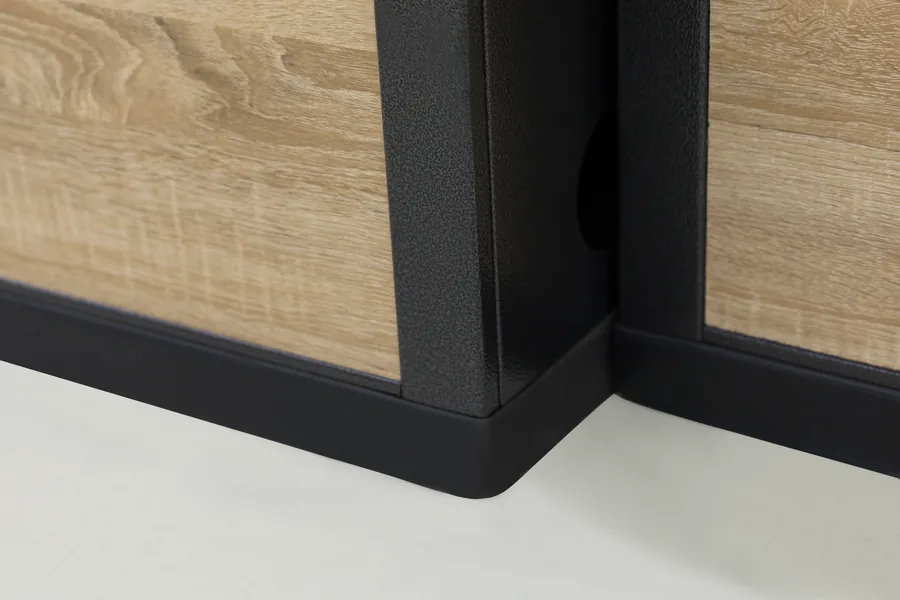
Corner of a wood faced checkout counter carcase meeting the black steel plinth at floor level Carcase

Steel and wood checkout counter carcases

0.8 – 1.5 mm steel sheet, or 1.5 – 2.5 mm board

Steel bodies are folded from 0.8 to 1.5 mm sheet and powder coated against damp and sun. Wood checkout counters are faced in 1.5 to 2.5 mm board on the same frame. Both run in one plant, so a wood counter still meets a steel shelf run in the same colour.

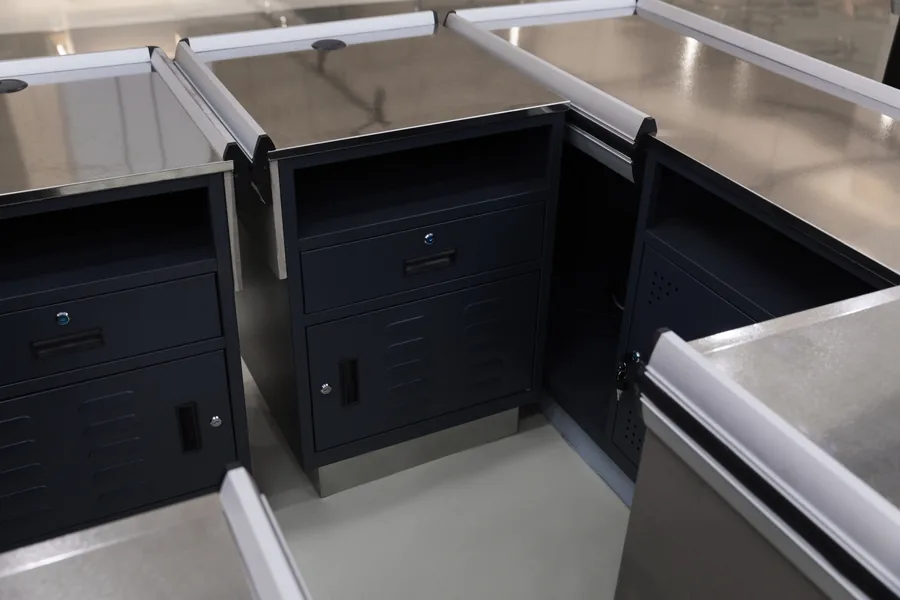
Lockable cash drawer and louvred ventilated cabinet door on a Keshun counter cashier desk Cabinet

Cabinet, drawer and lock on the counter cashier desk

Locking drawer and ventilated door

The cash drawer locks and the door below it is louvred, because a till, a power supply and a loom of cabling live inside a box that stays shut all day. The lock is the reason this is a cabinet rather than a shelf.

Accessories on a store cashier desk

Everything below is fitted to your counter in the plant, not shipped loose for the store to work out on opening week.

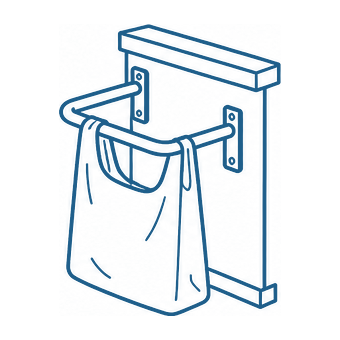
Line drawing of a shopping bag holder frame on a counter end panel holding an open carrier bag Shopping bag holder

A frame at the packing end that holds carrier bags open so the cashier can fill one of them single handed.

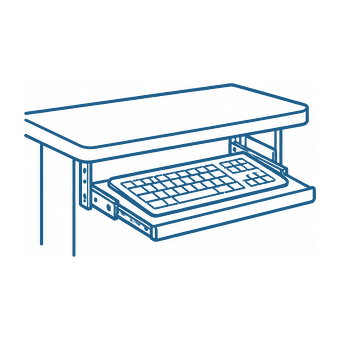
Line drawing of a pull-out keyboard holder tray running under a checkout counter top Keyboard holder

A pull-out tray under the top, which keeps the keyboard off a worktop that gets wet several times a shift.

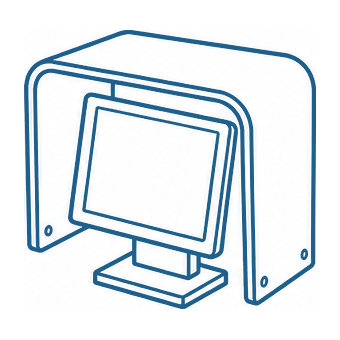
Line drawing of a computer protection cover hood arching over a cashier monitor screen Computer protection cover

A hood over the till screen. This one is made to the terminal you actually use rather than to a standard size.

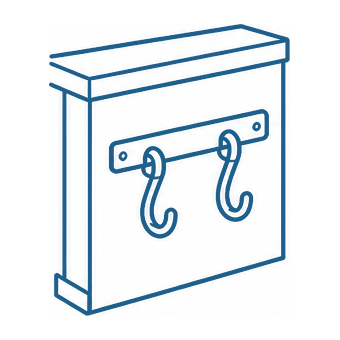
Line drawing of a hook rail with two hooks fitted to the end panel of a cashier counter Hooks

Hooks on the end panel for roll stock, the scanner lead and everything else that would otherwise lie on the deck.

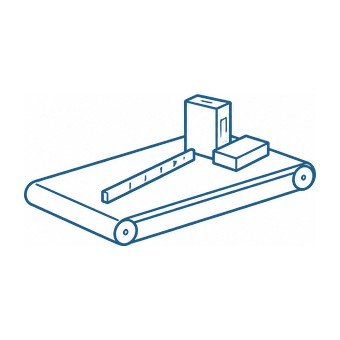
Line drawing of an article separation bar lying across a checkout conveyor belt between two shoppers Article separation bar

The baton that splits one shopper’s goods from the next on a belt lane. Without it a belt saves nobody any time.

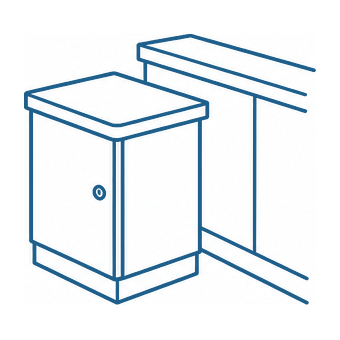
Line drawing of a 600 by 600 by 850 mm cashier stand module standing beside a checkout counter Cashier stand module

The 600 × 600 × 850 module that stands beside the counter, listed with nine of our thirteen recorded builds.

Colour is given as a RAL or PANTONE reference and held across every category on the same order, so the checkout, the shelving and the wine cabinet leave the plant in one shade. The finish standard is set out in full on our About page, and the rest of the store is on the product overview.

Stainless steel top and aluminium border of a Keshun checkout counter installed on a store floor

Send the clear width of your front end and the number of lanes you want to put in it. That is enough for us to come back with counter lengths, depths and a price.

Get A Quotation

Which Checkout Lanes Do You Need?

Every question below is one we would have to ask you anyway. Answering them now takes a round trip out of the quotation.

Your enquiry goes to keshun@kssyt.com. Floor plans, CAD files and photographs of a store you like are all welcome — a hand sketch on paper is enough to start.

Buyer Questions

Supermarket Checkout Counter Questions

Nine things buyers ask before they send a front end drawing. If yours is not here, put it in the message box above and it gets answered with the quotation. For the format-by-format comparison, read Types of Checkout Counters and Which Store Format Each Fits.

Do you make convenience store checkout counters as well as supermarket ones?

Yes, the same range covers both. A convenience store checkout counter is usually the short end of the file, 1200 mm long and often only 600 mm deep, worked by one person standing on one side. A supermarket lane is 1800 to 2000 mm with a packing end and, on the busy lanes, a belt. What changes between them is the length and the depth, not the way the counter is built.

Can I get a checkout counter with conveyor belt?

Yes, and it is a lane by lane decision rather than a whole order one. A supermarket conveyor belt earns its place where a queue forms, because the separation bar lets the cashier scan for one shopper while the next is still unloading. Quieter lanes are usually quoted without one. Tell us how many of each you want and we price them separately.

Do you sell wood checkout counters, or only metal ones?

Both, from the same plant. A steel body is folded from 0.8 to 1.5 mm sheet and powder coated; a wood checkout counter is faced in 1.5 to 2.5 mm board over the same frame. Our records hold one build, KS-209, described as the counter to use where the store is already fitted with wooden shelving.

What height are your supermarket cash counters built to?

850 mm to the top of the worktop. Thirteen counters in our records carry dimensions and all thirteen are 850, in lengths from 1200 to 2000 mm and depths from 600 to 1800 mm. The cashier stand module that stands beside them is 600 x 600 x 850, so the two surfaces line up.

How is a grocery store checkout counter priced?

By length band, by depth, by the number of lanes and by what is fitted to them, such as a belt, a bag holder, a keyboard tray or a screen cover. We do not publish a checkout counter price, because a lane with a belt and a lane without one are different machines. Send us the lane count and the space you have and the figure comes back against your own layout.

Can you build custom counters to my drawing or store plan?

Yes. Cashier counter designs are drawn to the plan you send rather than picked from a page, and an L shaped or U shaped front end is ordinary work here. A CAD file, a dimensioned sketch or a photograph of a store you like is enough to start a drawing.

How do the counters arrive, and what comes with them?

Counters ship assembled in a standard wooden export case. The fittings you ordered, such as the bag holder, keyboard tray, hooks and screen cover, are fitted before packing, and the cashier stand module travels with the counter it belongs to. Loading quantity depends on the sizes on the order and is confirmed with the packing list.

What is another word for a checkout counter?

Cash wrap, cash desk, till point and checkout lane all describe the same fixture. In North America cash wrap counter is the common trade term; in the UK it is usually the checkout or till. We build to whichever name your drawing uses — the dimension that matters is the 850 mm worktop height.

How high is a cashier counter?

Every counter on record here is 850 mm at the worktop, and that figure does not move between builds. It is set so a standing cashier works without stooping and a shopper can reach across it. Lane lengths vary from 1200 to 2000 mm; the height does not.