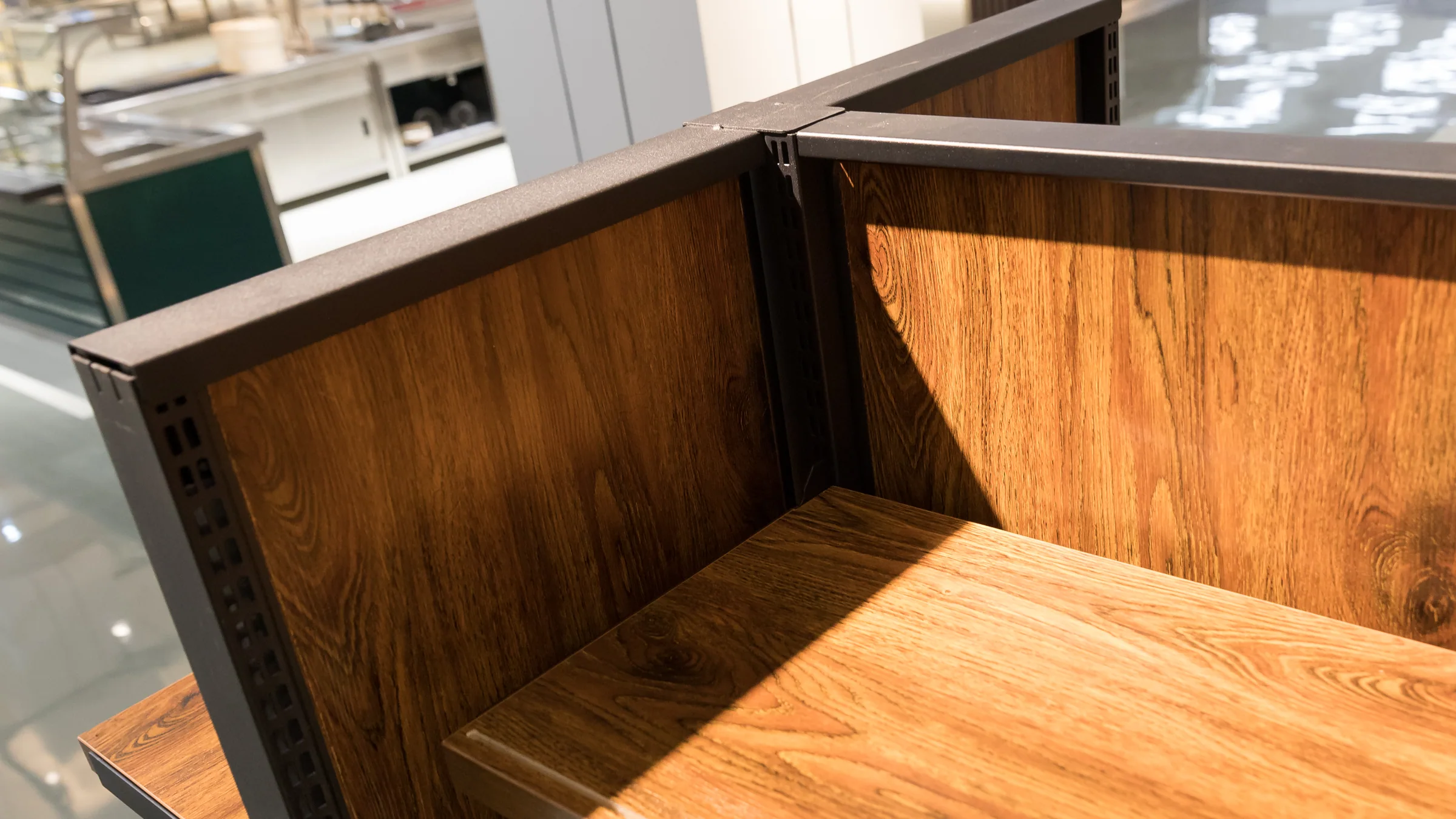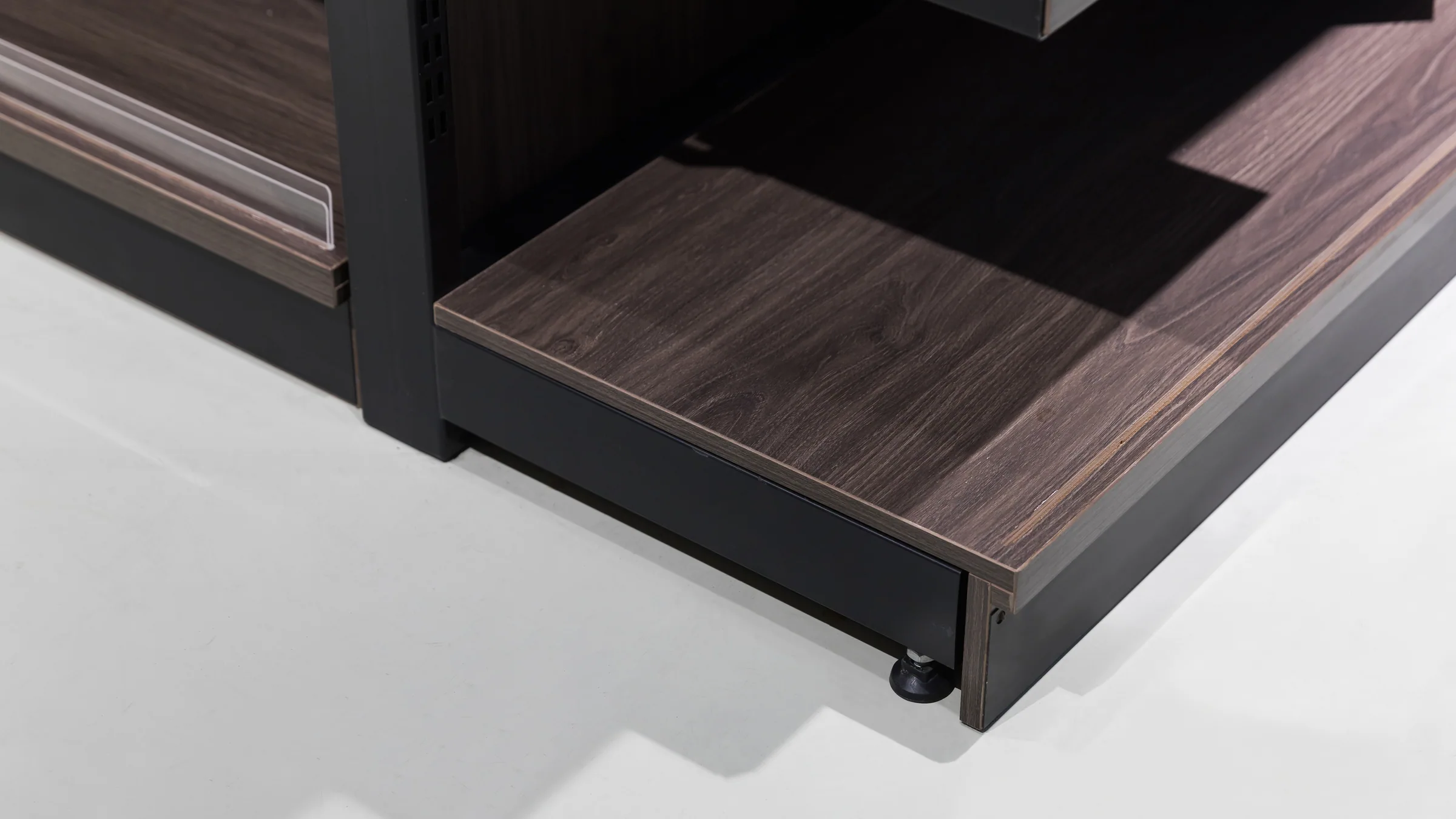


A shelf is not storage. It is the last piece of sales equipment between your stock and somebody's hand, and almost everything a shopper does in front of it is decided before they arrive: by how high the product sits, by what is next to it, by whether the label answers the question they are actually asking. Designing a shelf from the customer's side rather than from the stockroom's side is the difference between a fixture that holds goods and one that moves them.
Key takeaways
- Know who is in front of the shelf before you draw it. Age, shopping habit and how much time the trip is worth all change what the right layout is.
- Height is the strongest lever you have. The easy-reach band gets the lines you want to sell; the top and bottom get the ones people already came for.
- Aisle width, lighting and clean shelf edges are part of the fixture specification, not part of the housekeeping budget.
Start With Who Is Standing In Front Of It
Before the first bay is drawn, work out who the shelf is for. Customers of different ages, of different households, and shopping for different reasons behave differently in front of identical fixtures. A student buying lunch scans one band at eye level and leaves. A weekly shopper with a trolley works methodically down an aisle and will bend for a better price. A store that serves both is not designing one shelf, it is designing two zones.
That sounds abstract until it reaches the drawing. It decides how many shelves go in a bay, how deep each one is, how much of the run is given to the easy-reach band, and whether the aisle needs room for a trolley to stand still while somebody reads a label. None of those can be adjusted later without taking the run apart, which is why the question belongs at the enquiry stage rather than at the merchandising stage.
Grouping: Make The Comparison Easy, Not The Search
Product display and grouping should be plain enough that a shopper finds what they came for without asking. Group by product type, by brand or by function, and mark the run clearly so somebody entering the aisle can locate the category from the end of it. This is not only a courtesy. Putting similar products together lets a shopper compare price and quality across brands in one look, and a comparison that is easy to make is a purchase that is easy to complete.
Keeping the layout relatively fixed matters just as much. Regular customers learn where things are, and a store that moves its categories around every quarter spends its own goodwill making people hunt. Fixed positions let an existing customer walk in, find the target product and finish the trip — which is exactly the behaviour a store wants from the people who come back.
Height Is The Strongest Lever You Have
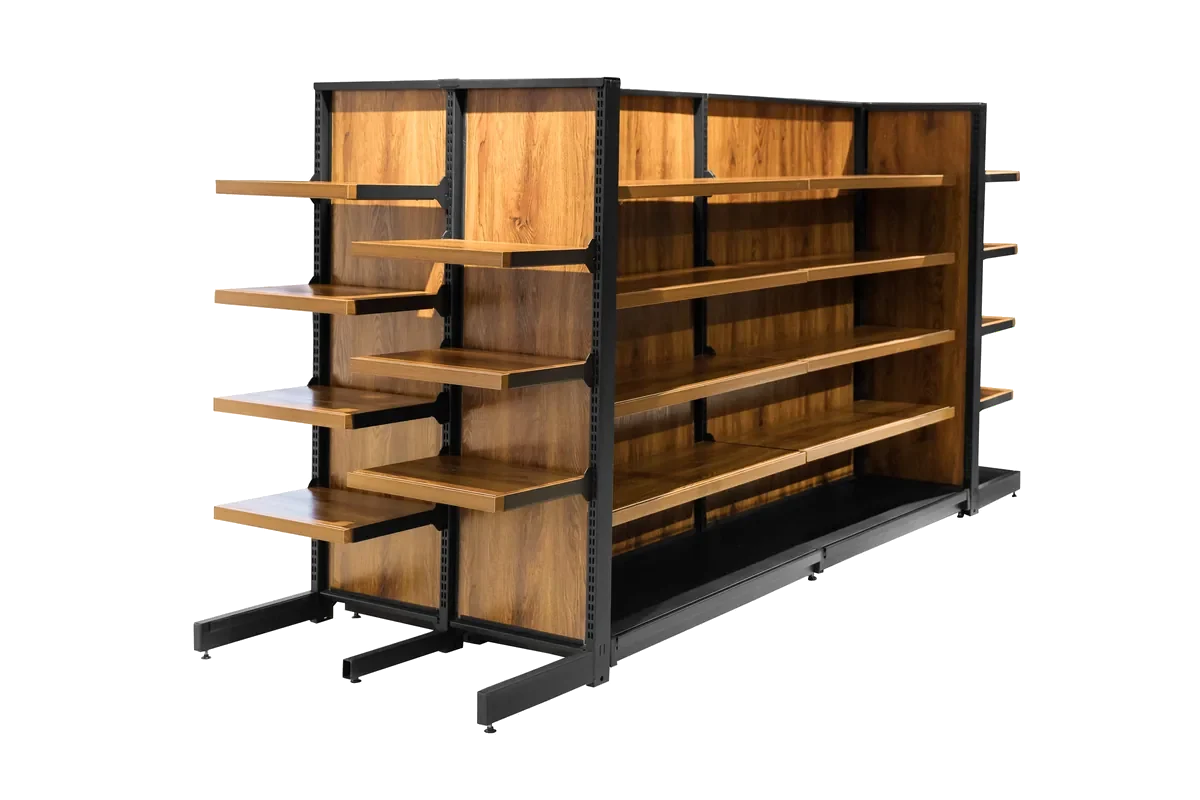
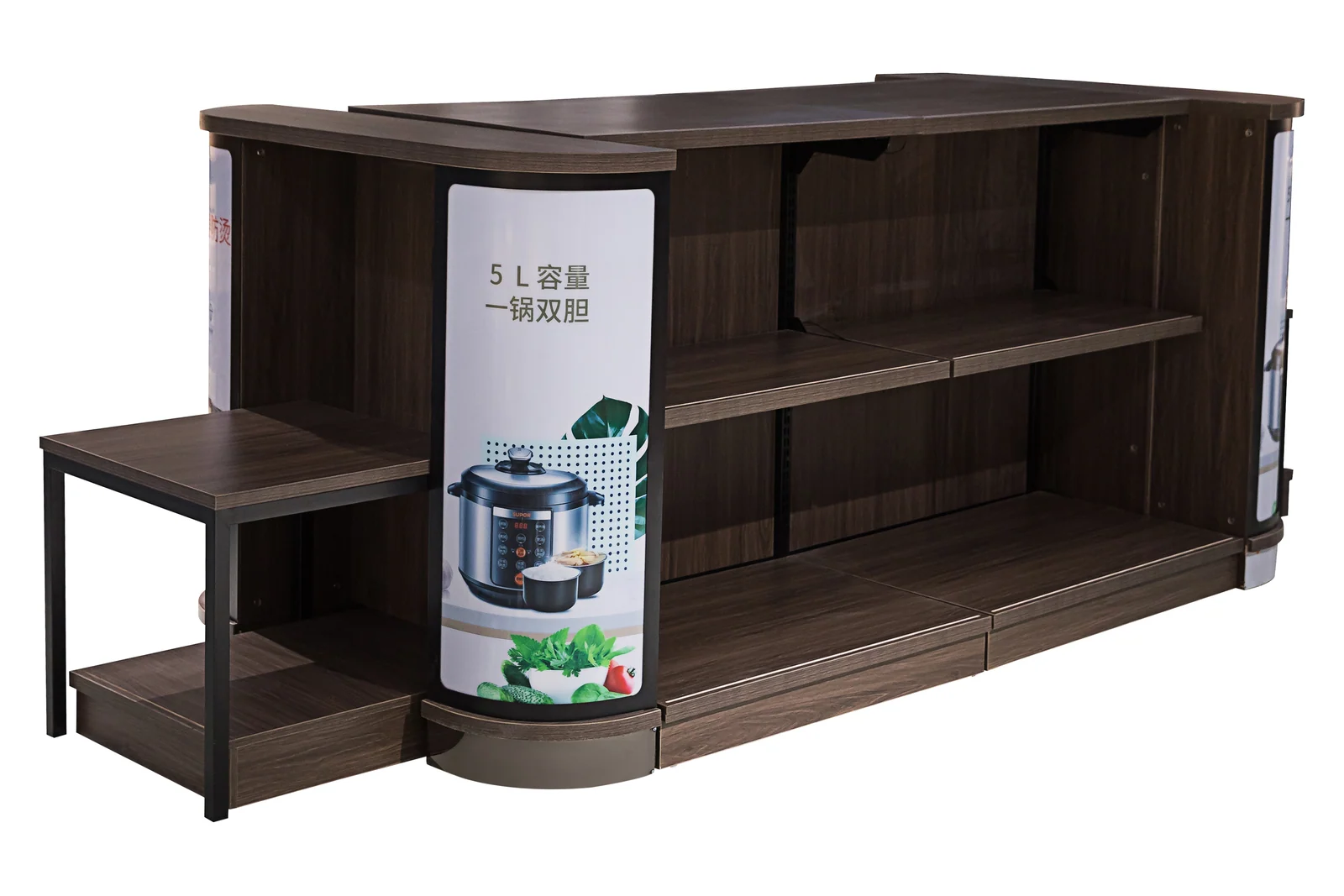
The height and layout of a run has to take account of what a shopper can comfortably see and reach. Commonly bought products go where they can be picked up without effort. Less common lines, and high-value lines a store wants to be deliberate about, can go higher or lower — both because those positions guide attention and because a shopper who wants that product will look for it.
There is an ordinary physical reason behind the rule. Men reach around 180 cm and women around 165 cm, so what sits at the very top and the very bottom of a bay is hard to see and awkward to lift. Those bands are the natural home for low-margin lines, complementary items and slow small ranges. The top of a run is also where colour blocking and decorative pieces do their work: they pull the eye down an aisle without anybody having to reach them.
| Band | What it is best for | Reason |
|---|---|---|
| Top of the bay | Colour blocking, decorative items, slow lines | Above easy reach; visible from a distance, awkward up close |
| Easy reach | Lines the store wants to sell, best margins | Seen and picked up without effort or thought |
| Mid-low | Bulk, family packs, heavy items | Bending is acceptable when the item is worth the trip |
| Bottom of the bay | Low margin, complementary, back-up sizes | Least seen; a shopper only looks here on purpose |
Shelving is the only fixture in the store that quietly decides what people buy. Get the heights wrong and no amount of merchandising afterwards fixes it.
Density, Aisles And The Main Route
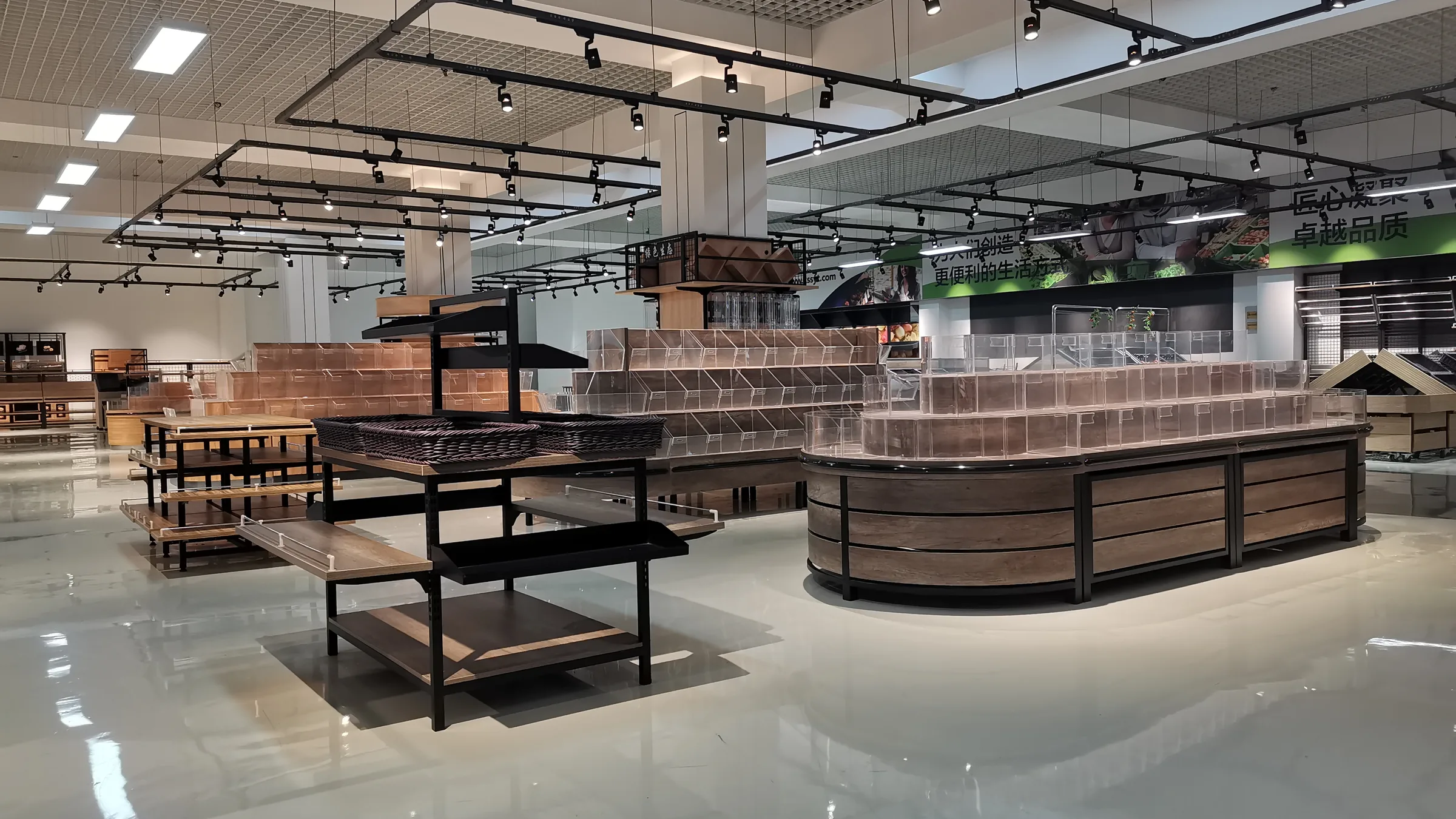
Best-selling goods belong where display density is highest. Supermarket space is limited and the range is wide, so goods have to be placed in good order and packed tight. Density does two things at once: it uses up the space you are paying rent on, and it gives the shopper a sense of variety and completeness that a half-empty run destroys.
Aisles need designing as a main route and secondary routes. The main shopping route is usually wide and straight, and the reason is not circulation, it is dwell — a wide straight aisle keeps people in the store longer. The right-hand side of the main route is the strongest position in a supermarket, and the most advertised and most profitable lines are conventionally placed there, because shoppers passing by are drawn to something they did not come in for.
Information And The Feeling Of The Aisle
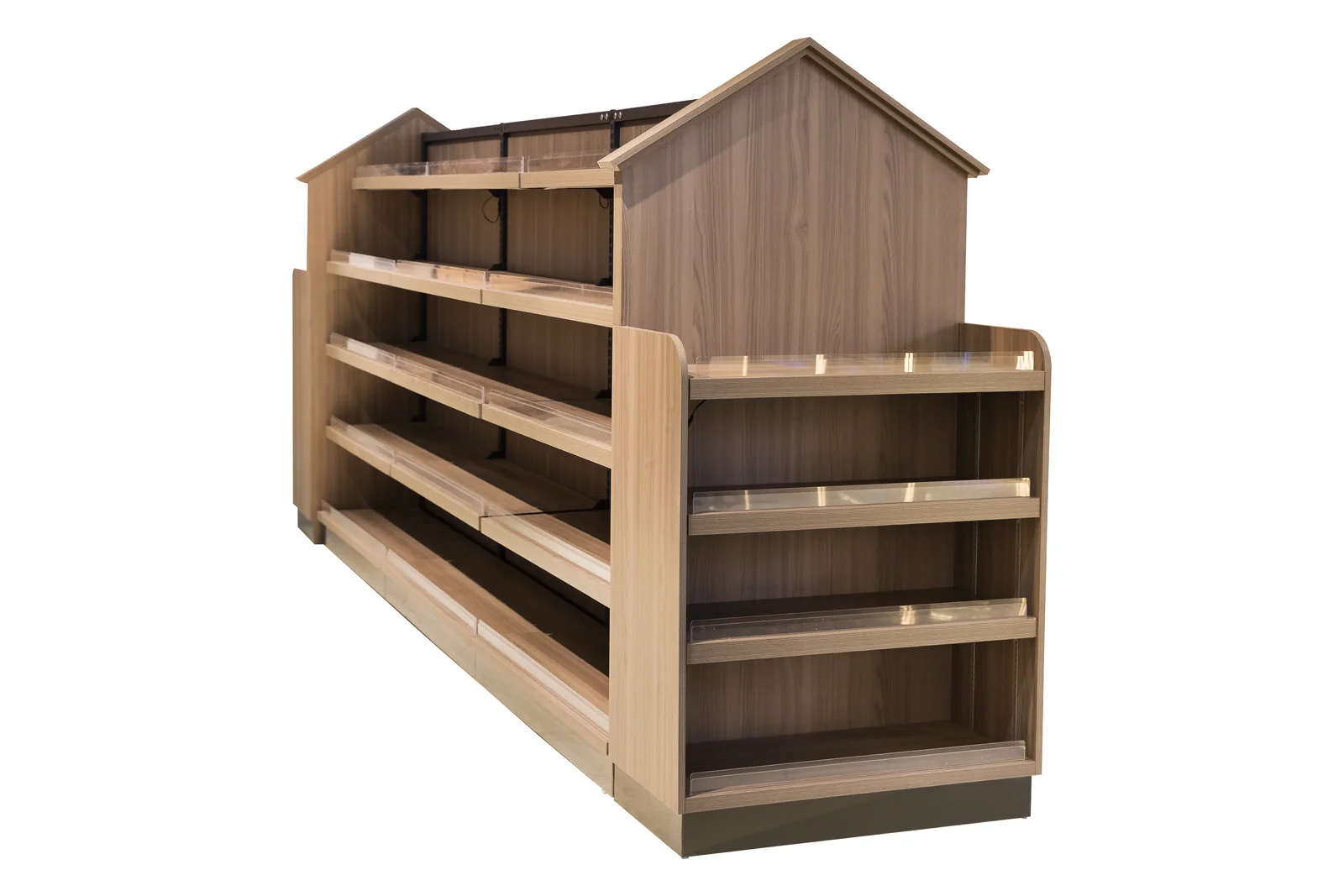
Providing enough information on the shelf is what turns interest into a decision. Characteristics, function, price and any promotion have to be legible from where the shopper is standing, through shelf tickets, price labels or a purpose-made information panel. We supply price tickets with our fixtures for exactly this reason: a run that arrives with nowhere planned to put a price ends up with handwritten labels taped to the shelf edge in week one.
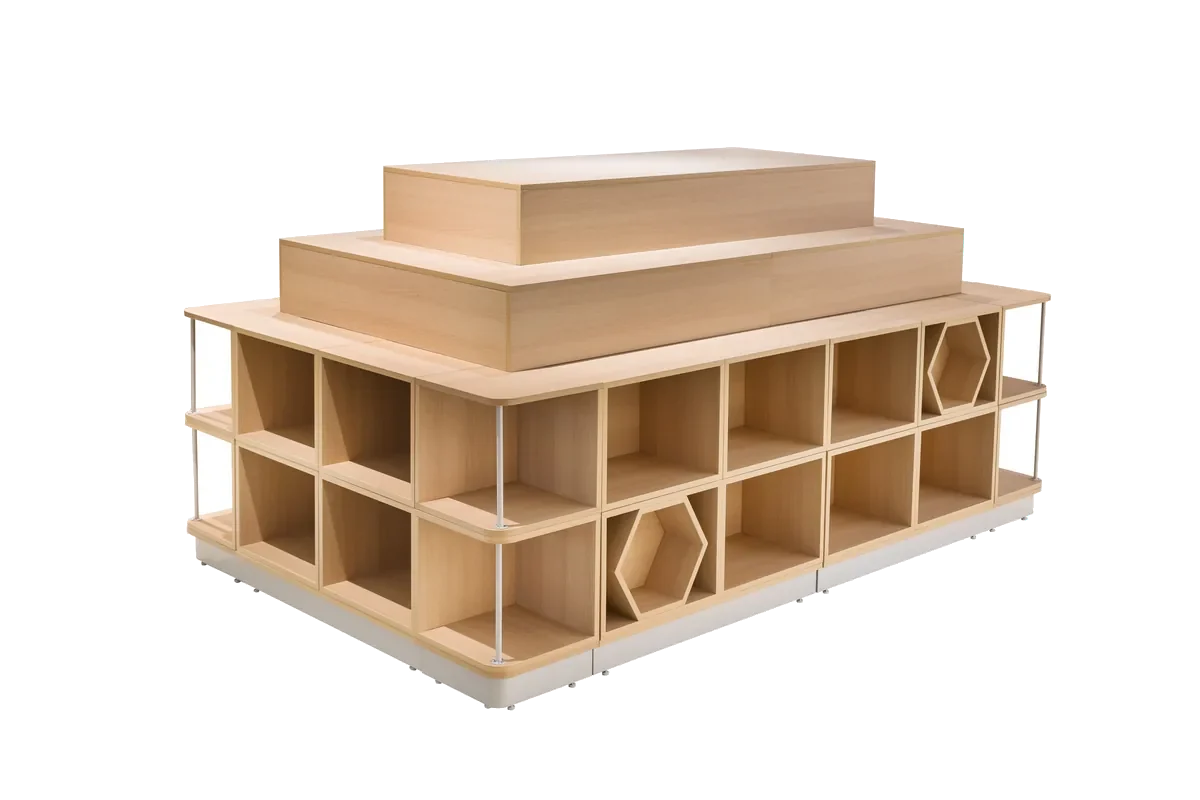
The rest of it is atmosphere, and it is less soft than it sounds. Spacious aisles, clean shelf surfaces and decent light are what make a shop feel worth staying in, and satisfaction with the environment is measurable in basket size. Bright light and strong colour on the fixture itself can highlight a product; a purpose-built display rack or riser in the run can hold attention where a flat shelf would not.
What this means for a shelving order
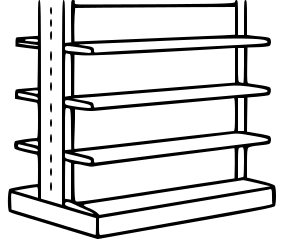
Send us the aisle width and the ceiling height along with the metres of run. Those two numbers set the bay depth and the shelf count, and they are the two that cannot be changed after the run is standing. Our recorded bay modules are L1000 × W400 × H1700 mm single-sided and L1000 × W800 × H1500 mm double-sided, per group.
Keshun Technical Team. First published 27 April 2024, rewritten 8 August 2026. The reach figures and layout guidance above are from our own shelf notes; the bay modules are the ones on record for this category.