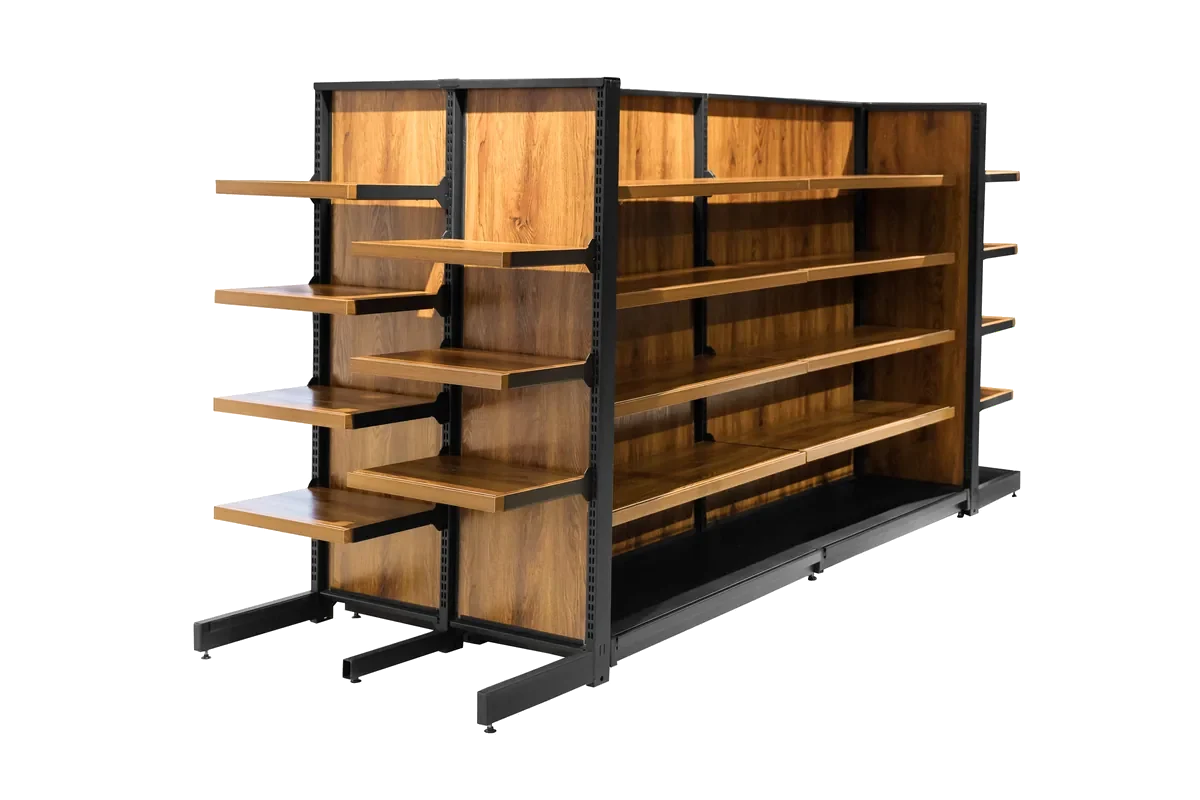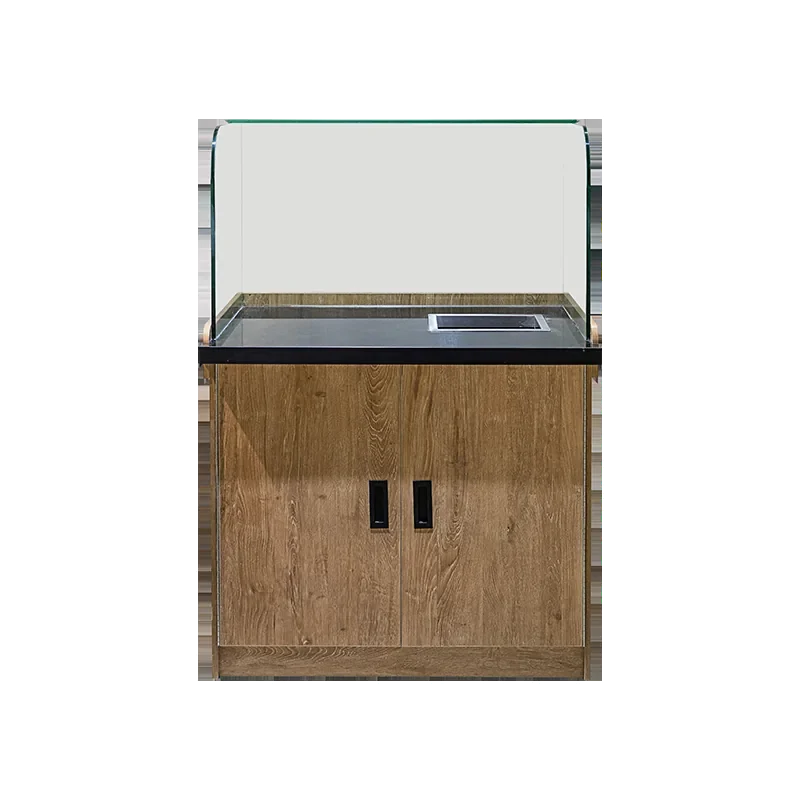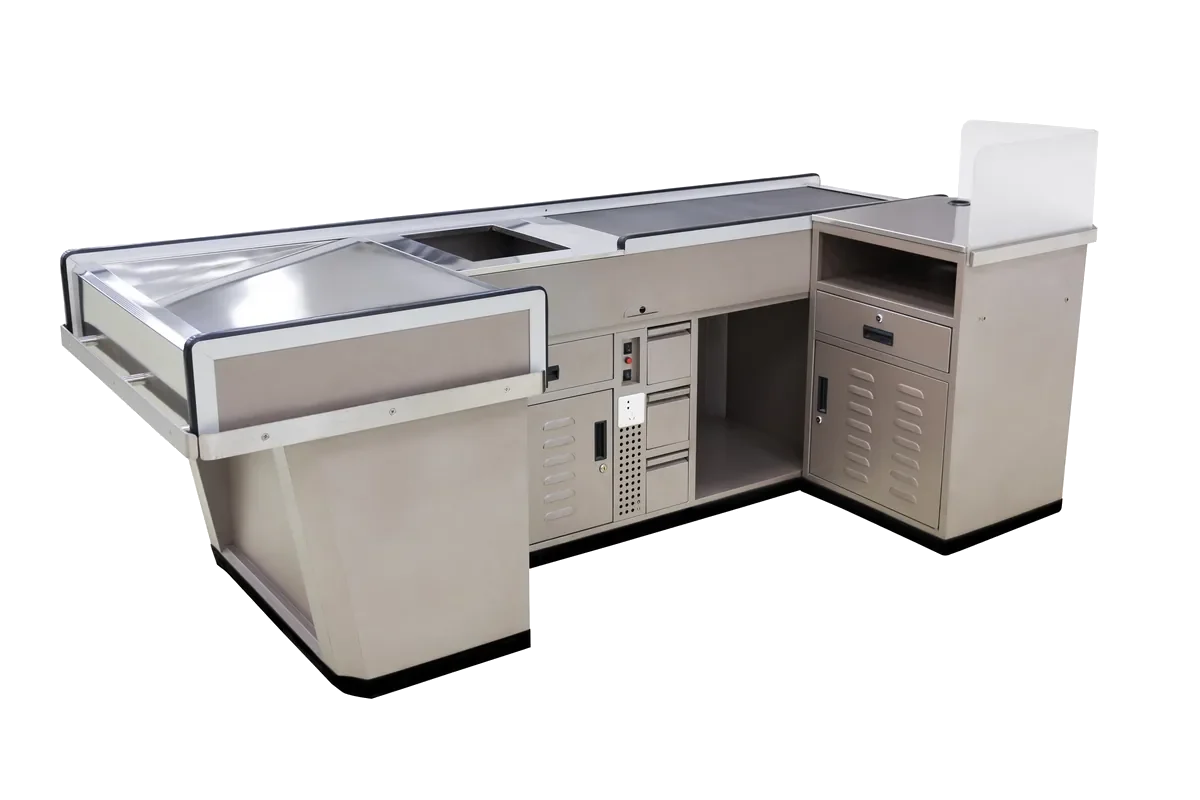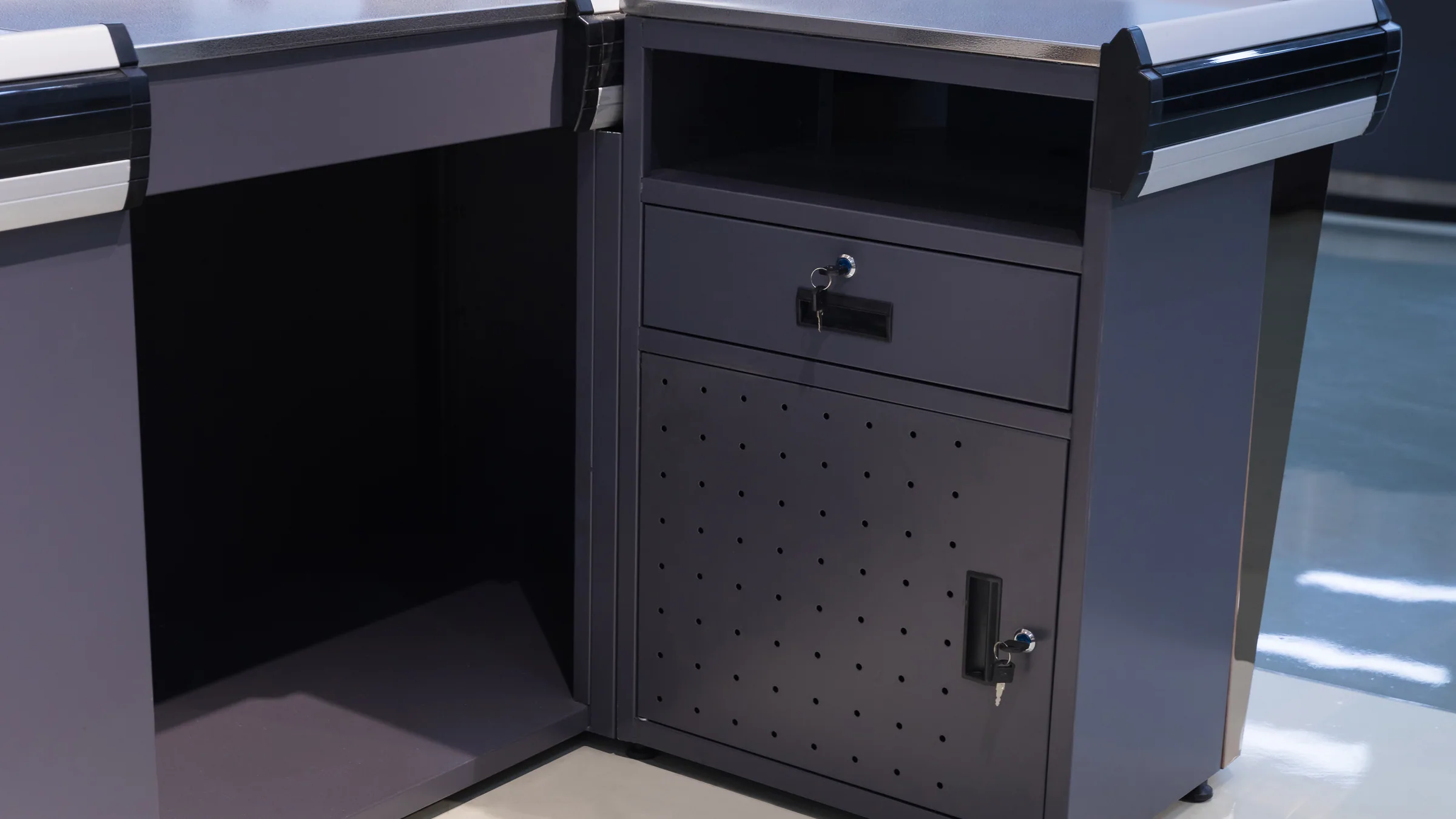


There is a common assumption that shelving does not need much packing, on the grounds that it is a steel structure and steel is tough. That assumption is wrong, and it is wrong for a specific reason: shelving is coated before it leaves the factory. Knock a coated component in transit and the film on the outside comes off. Knock it harder and the component bends. Either way the damage shows up at installation, when it is far too late to do anything about it.
Key takeaways
- Shelving is sprayed before it ships. The coating is what packing protects, not the steel.
- Bubble wrap first, a carton over it for double protection, and a wooden case for long-distance or high-requirement orders.
- Every package needs a qualified label with type, title, quantity and manufacturer, or the right parts end up in the wrong store.
What Packing Is Actually Protecting
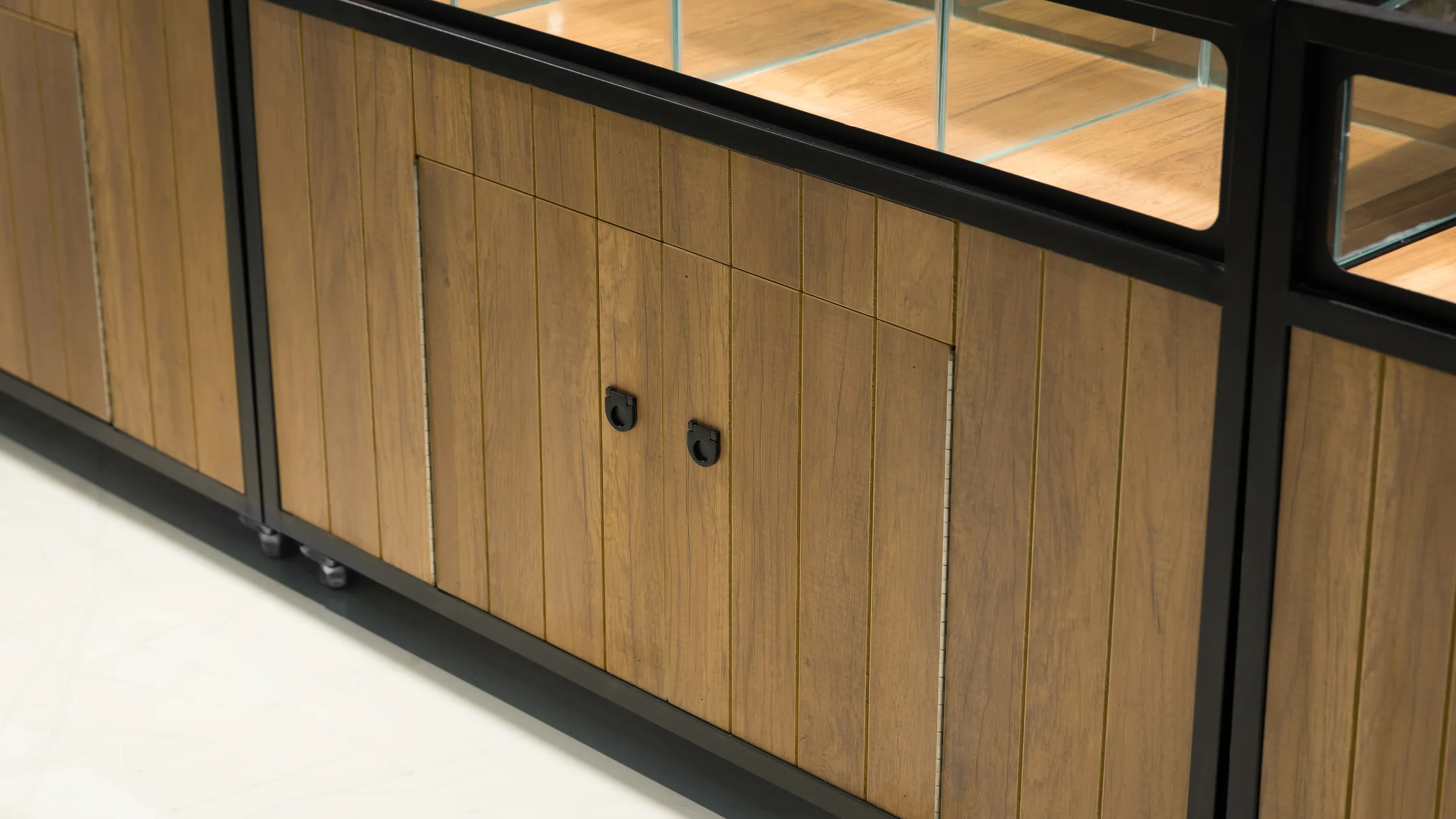
Packing plays a serious protective role in the transport of any goods, and storage shelving is no exception. Some people believe shelves are steel structural components that do not require good packing. In practice the shelves are plastic-sprayed before they leave the factory, so a knock in transit can lift the film off the outer surface, and a harder one can bend or deform a component. Both have a significant effect on the installation that follows and on how the fixture looks for the rest of its life.
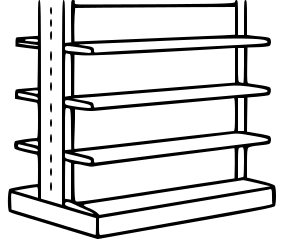
This is why every component is packed for shelf transport rather than only the fragile-looking ones. The uprights and the shelf boards are exactly the parts that look robust enough to travel bare, and exactly the parts whose surface finish is on show once the run is standing in a shop.
The Three Levels Of Packing
The first level is a full wrap in bubble film. For a stricter standard, a cardboard carton goes over the bubble wrap to give double-layer protection — the film absorbs impact, the carton stops the film being punctured by whatever is stacked next to it.
For higher requirements and for long-distance transport, wooden cases are used. A wooden case gives a degree of barrier against damp, water vapour, gas, light, odour and heat, and it has real mechanical properties: strength, stiffness, toughness and elasticity, which together let it absorb pressure, impact and vibration rather than transmitting all of it to the contents. On a sea freight order that combination is the difference between a container that arrives intact and one that arrives with a claim attached.
| Level | What it is | When it is specified |
|---|---|---|
| Bubble wrap | Full wrap of every component | Baseline on all shipments; protects the sprayed coating |
| Wrap plus carton | Cardboard over the bubble film | Where a stricter standard is wanted; stops puncture from adjacent freight |
| Wooden case | Standard export case | Long-distance and export orders; barrier against damp and vibration |

The parts that look tough enough to travel bare are the parts whose surface is on show for the next ten years. That is the whole argument for packing shelving properly.
Labelling Is Part Of The Packing
Once packing is finished, a qualified label goes on promptly, and it has to state the type, the title, the quantity and the manufacturer information. This is not paperwork for its own sake. A container of store fixtures arriving at a site fit-out contains dozens of package types that look similar from the outside, and an unlabelled case is a case that gets opened at the wrong end of the building or installed in the wrong department.
Getting this right avoids errors at the point where errors are most expensive, which is on site with an installation crew waiting. It is also the difference between a delivery that a contractor can sequence and one they have to unpack entirely before they can start.
Why It Matters More On An Export Order
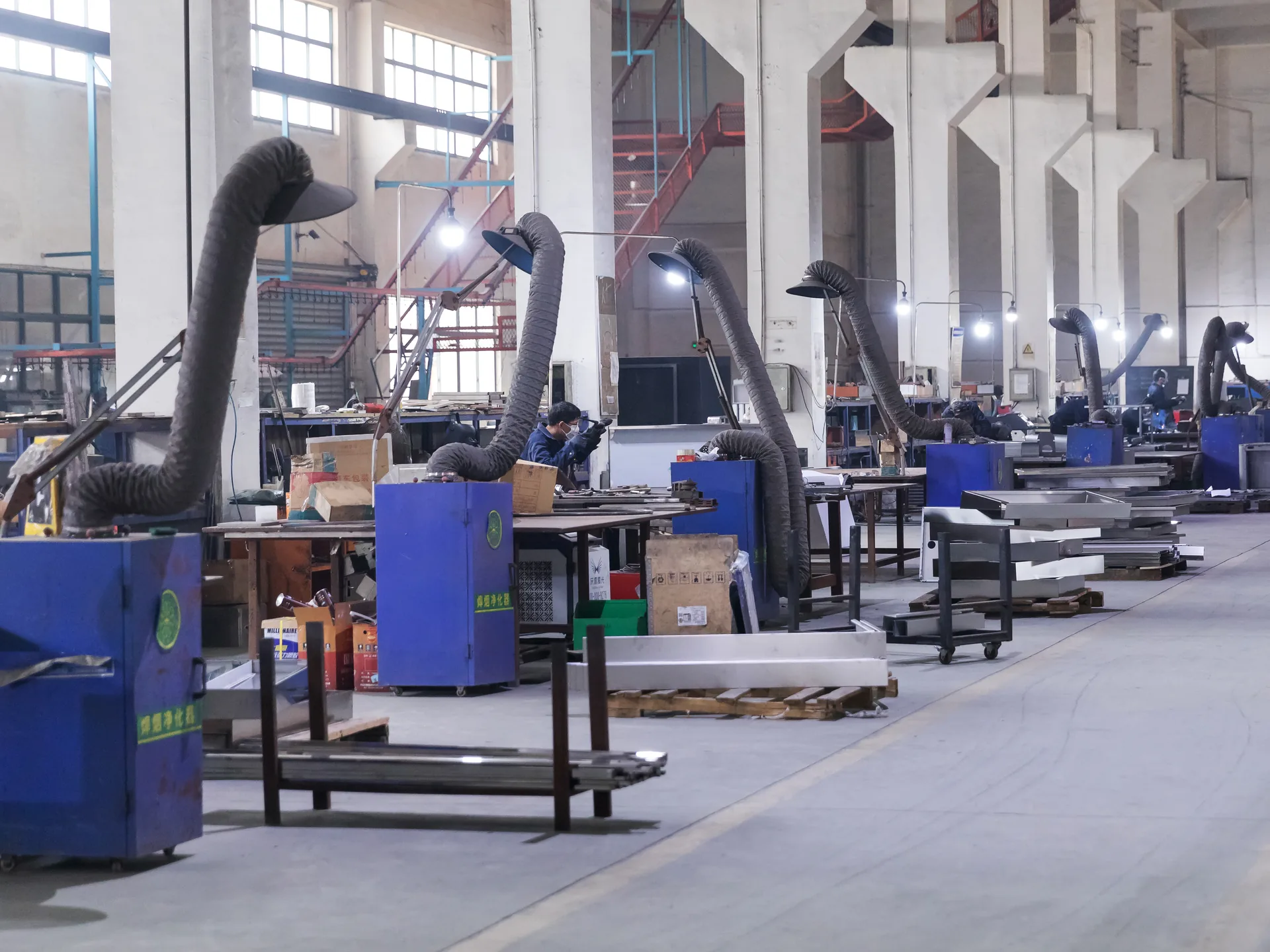
After packing in this way, the various components of a shelving run are protected through transport and the external coating does not get damaged by collision. For export orders in particular it is necessary to take proper protective measures, and it leaves a good impression on the customer — a container that opens cleanly says something about the plant that filled it before anybody looks at the goods.

What is on record
Standard export packing is a wooden case, described in our product records as safe enough for long-distance transportation. Fittings ordered with a fixture — bag holders, keyboard trays, sign frames, crate rails — are fitted before packing rather than shipped loose. Loading quantity depends on the sizes on the order and is confirmed with the packing list.
Keshun Technical Team. First published 16 August 2023, rewritten 8 August 2026. The packing levels and label requirements above are from our own shipping notes.