


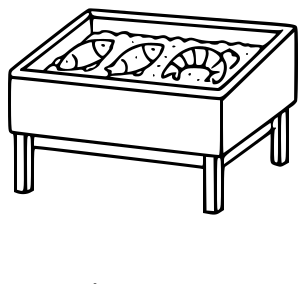
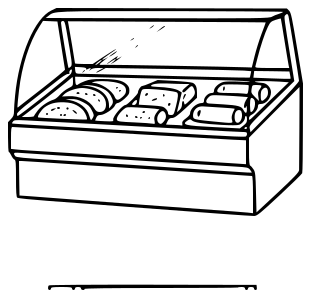
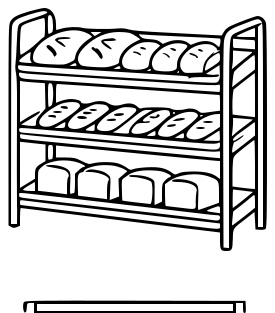
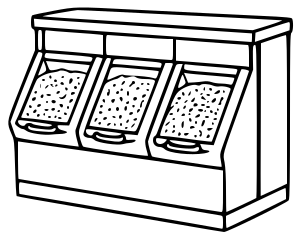
Fruit and vegetable racks and stands turn up everywhere, from a hypermarket to the shop on the corner, and they all do the same job: display produce so somebody wants to buy it. What varies is the shape, the number of tiers and the material, and those three between them decide both what the fixture costs and how long it lasts.
Key takeaways
- Two main formats: a two-angle display shelf, and a single stand carrying several tiers.
- Timber and plastic are the common materials; glass shelving exists at a higher price. Plastic versions are often foldable.
- A powder finish is what makes a produce rack durable rather than merely painted.
What The Formats Are
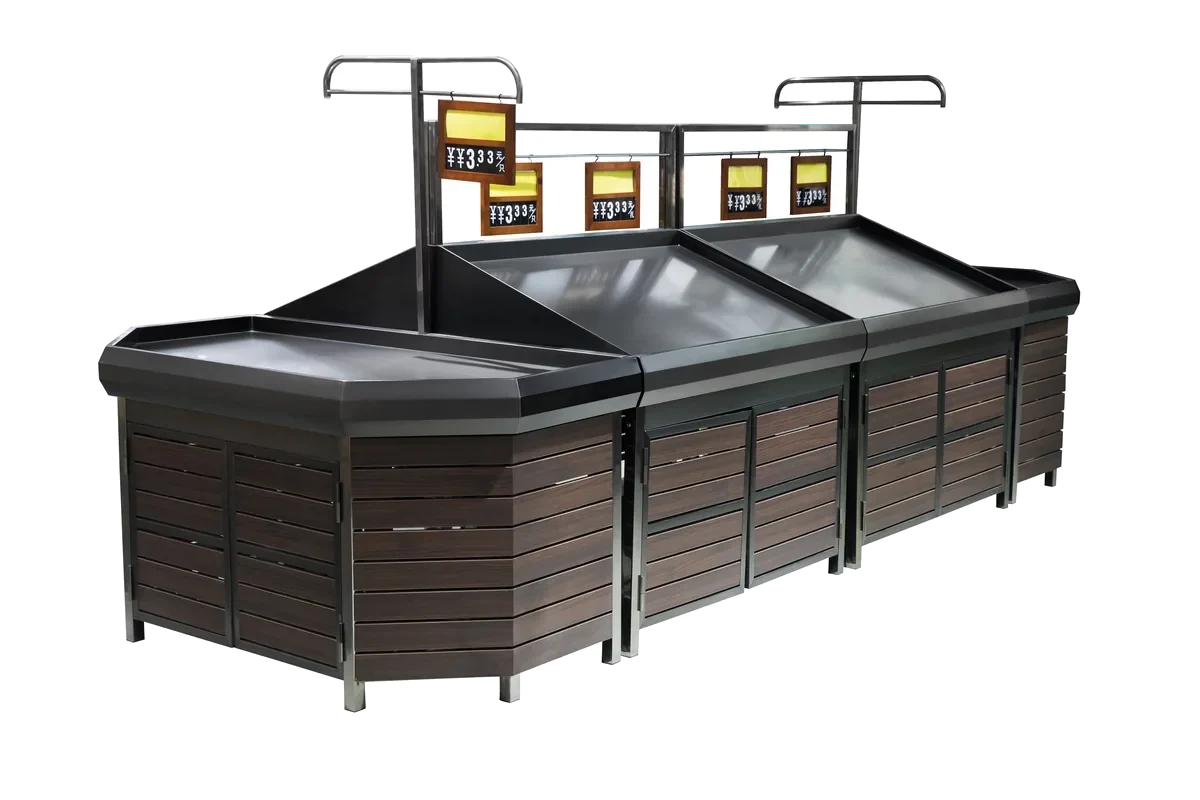
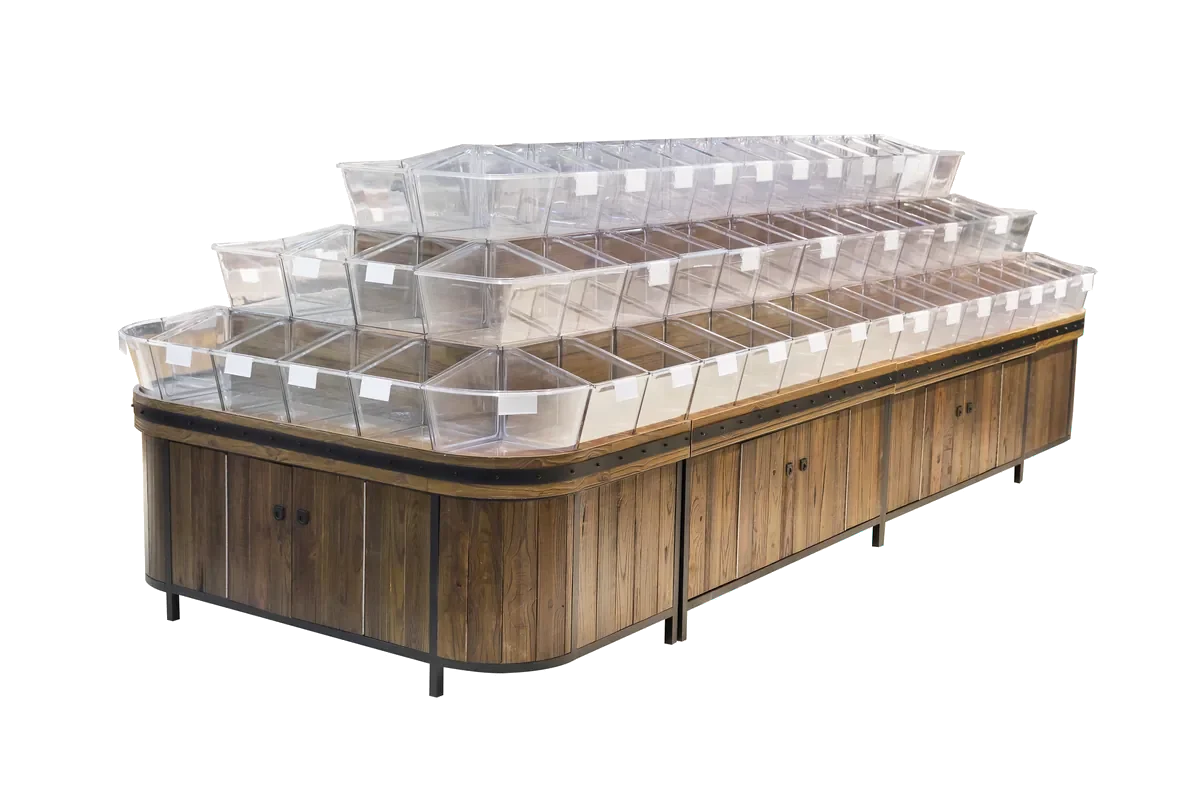
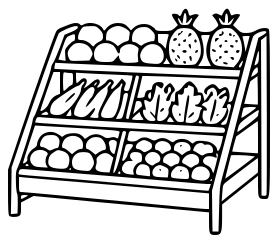
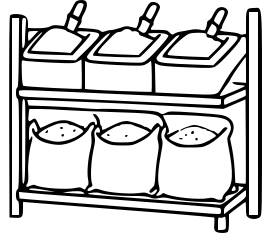
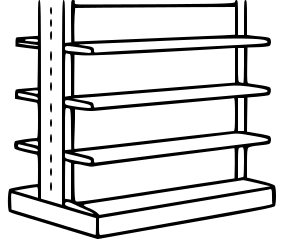
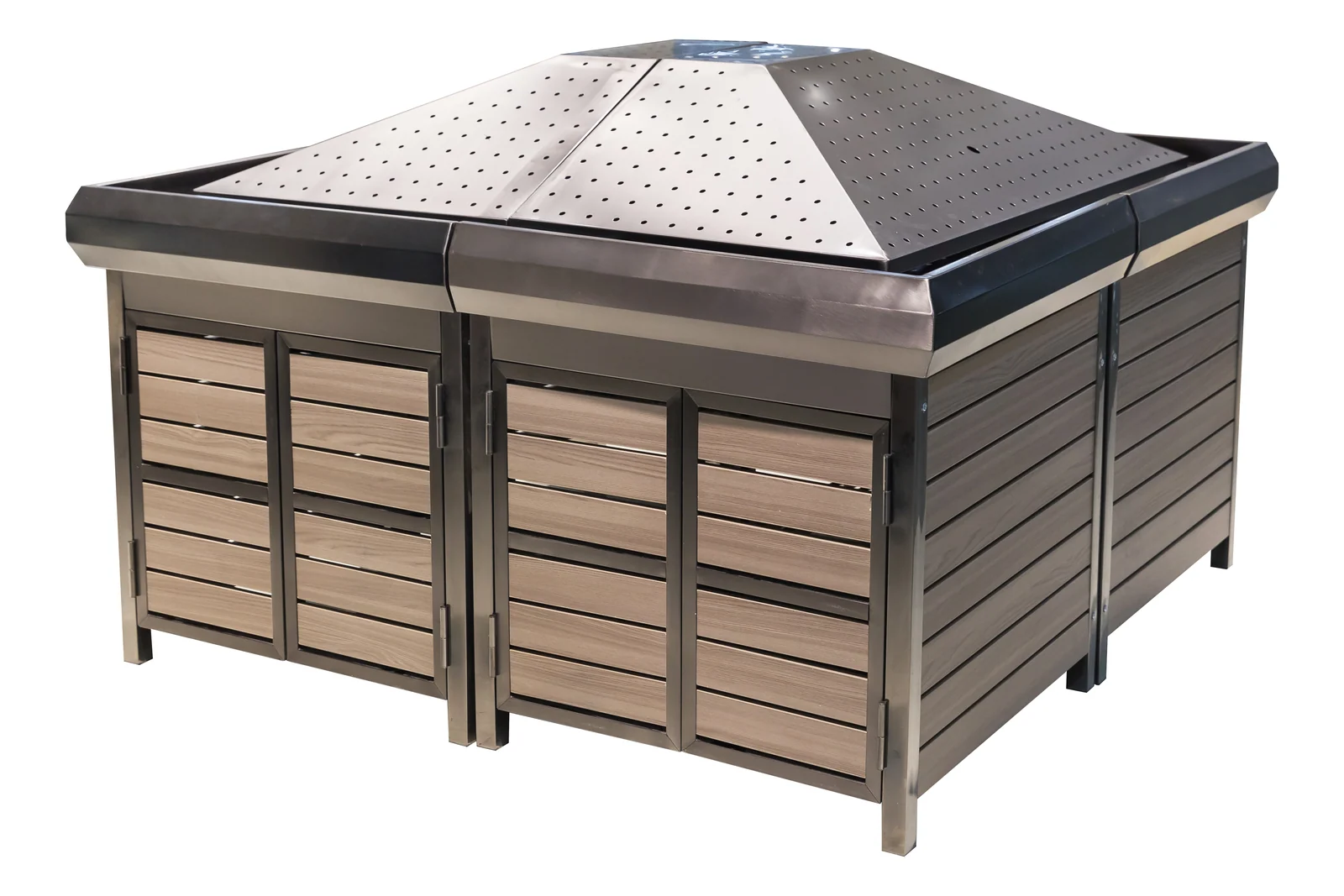
Fruit and vegetable racks and stands come in a variety of shapes and sizes, with multiple configurations. Broadly they fall into two families. The first is a two-angle display shelf: a fixture with the display surfaces set at angles so produce faces the shopper rather than lying flat. The second is a single rack or stand carrying several shelves and tiers, each level showing its own line.
The advantage of the multi-tier arrangement is that shelves sitting one above another take up almost no additional floor. In a produce aisle where floor is the limiting factor, that is the whole argument: the same square metre carries three or four lines instead of one.
Materials And What They Cost
The material used for these shelves and racks is usually timber or plastic. Plastic versions are often foldable, which suits a shop that puts stock out on the pavement in the morning and brings it in at night. Glass shelving is also available and sits at a somewhat higher price.
That price difference is worth being straightforward about. Plastic racks are considerably cheaper than timber ones, and the material is the main thing driving the final cost. The racks and stands manufactured to a proper standard are not cheap, but the price pays off because they are made from high-grade raw materials and last. Which one you buy is genuinely a matter of requirement rather than of correctness — a foldable plastic stand and a fixed timber island are answers to different questions.
Investing in a sturdy rack is a long-lasting answer to a storage problem. Investing in a cheap one is a recurring one.
The Finish Is Not Cosmetic
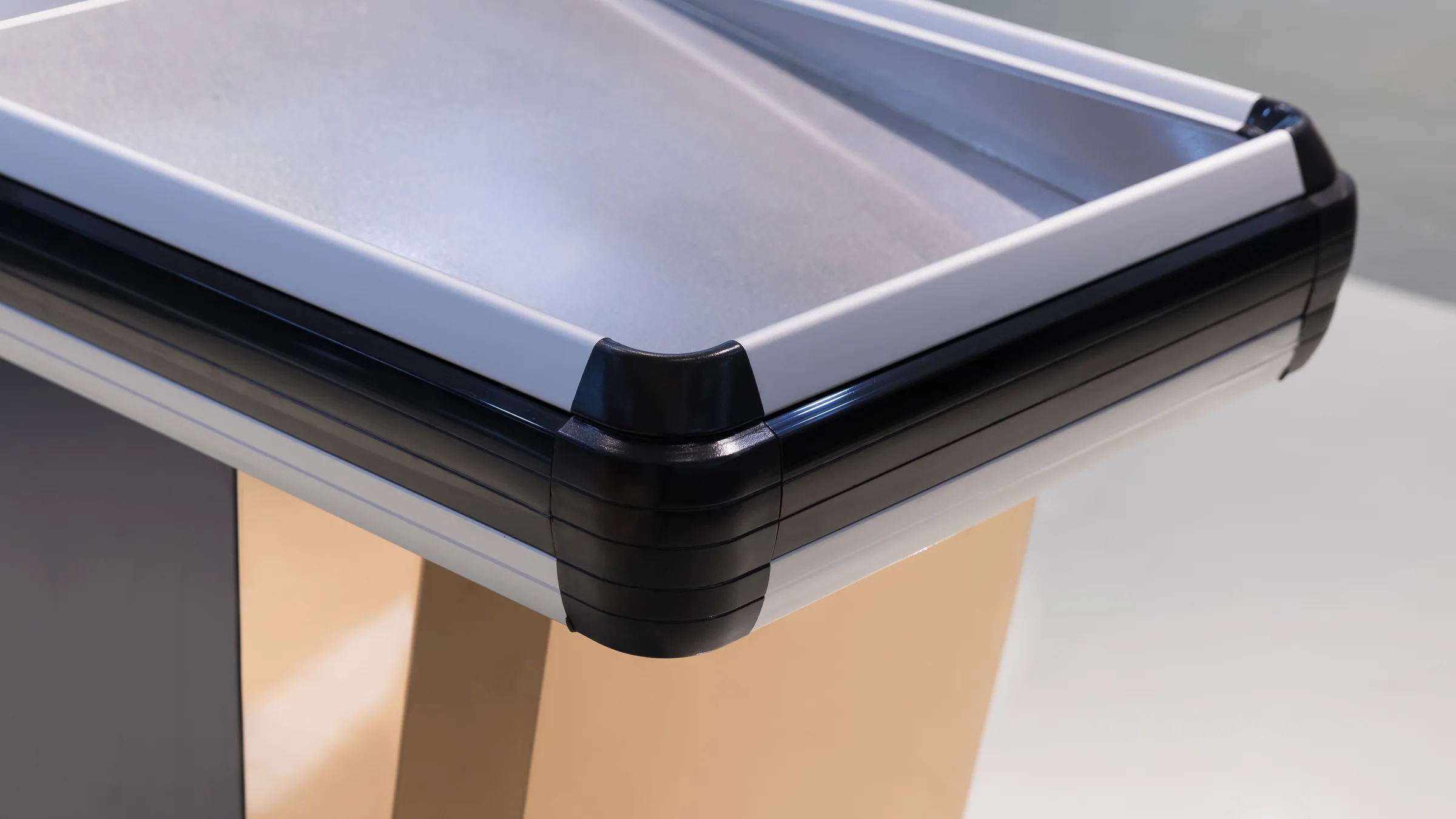
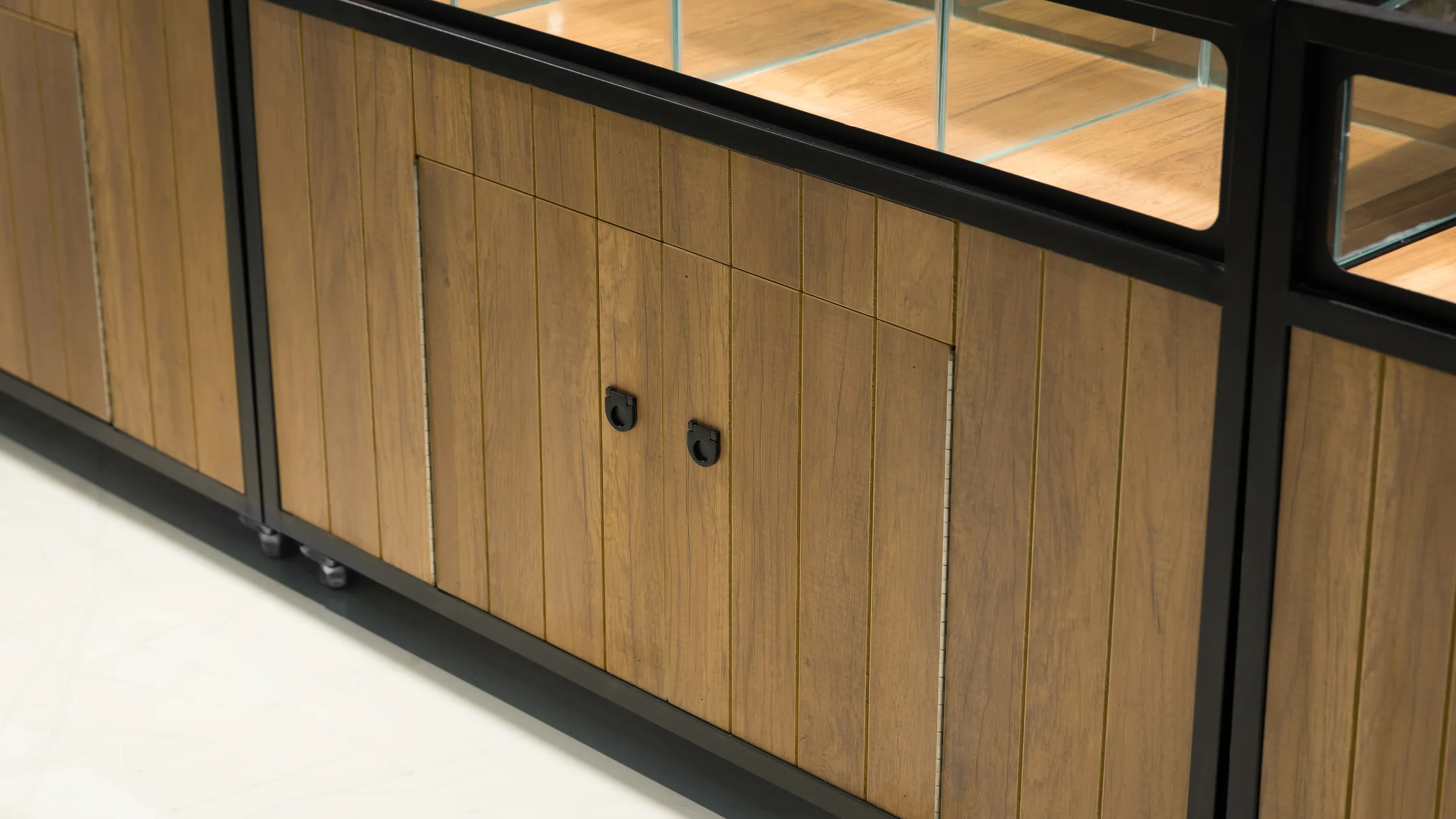
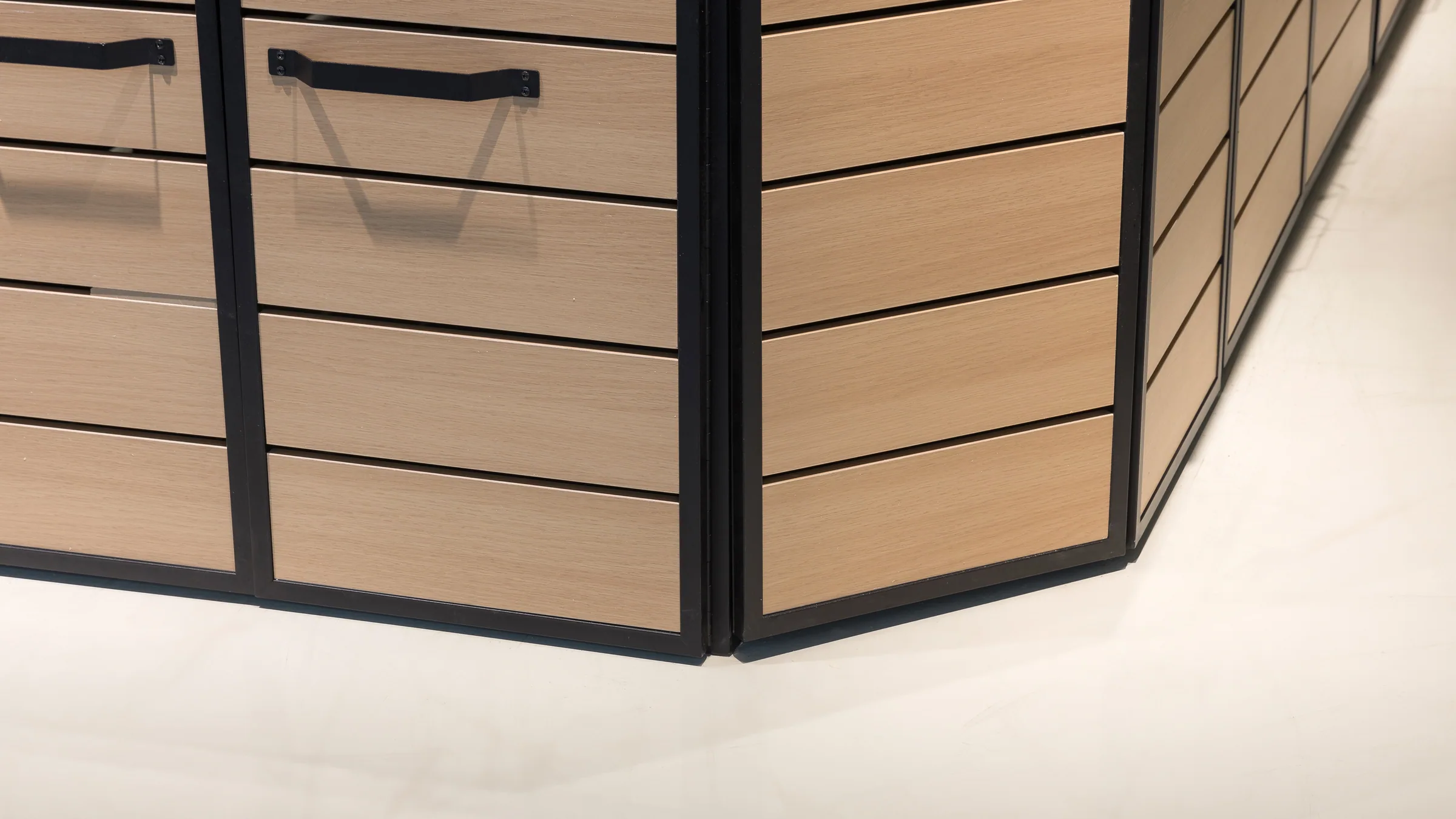
Most produce racks carry a powdery finish, and it is what makes them more durable and longer lasting rather than simply better looking. In a produce aisle the fixture gets wet, gets knocked by trolleys and gets wiped down daily; a painted surface fails at all three, and it fails first at the edges and corners where nobody notices until there is a rust line.
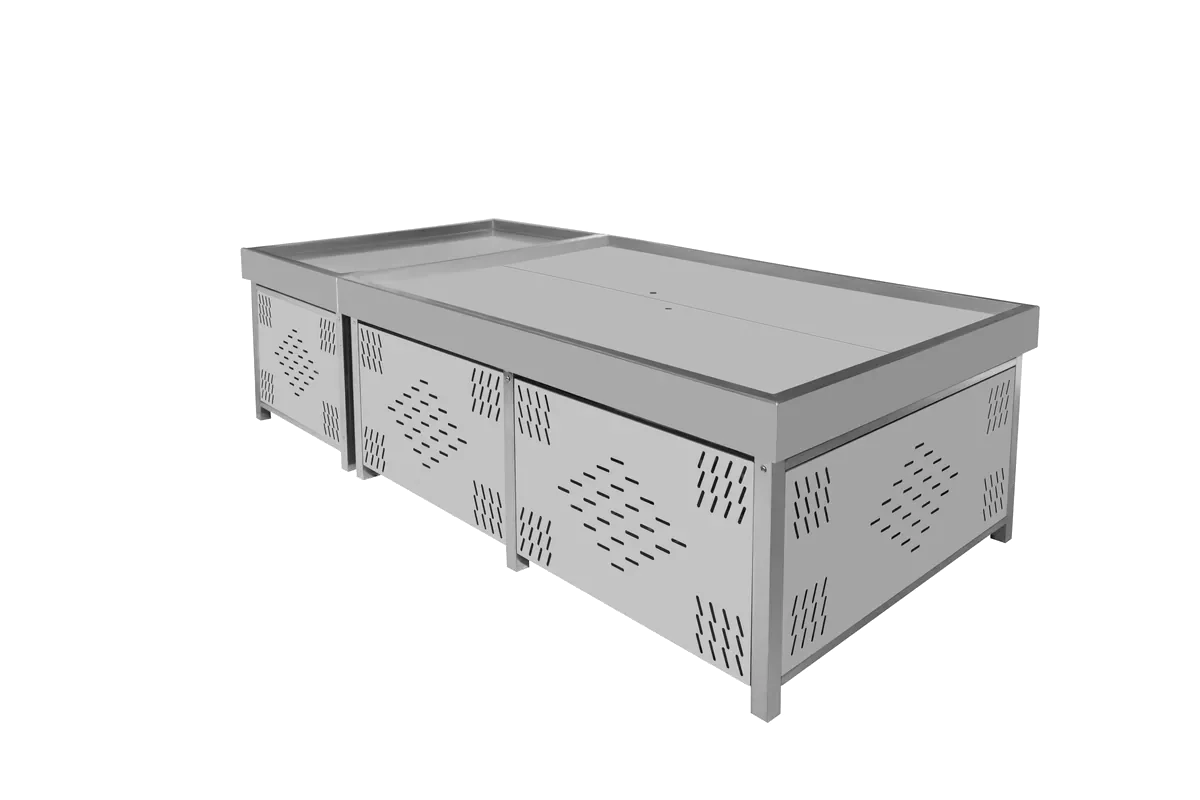
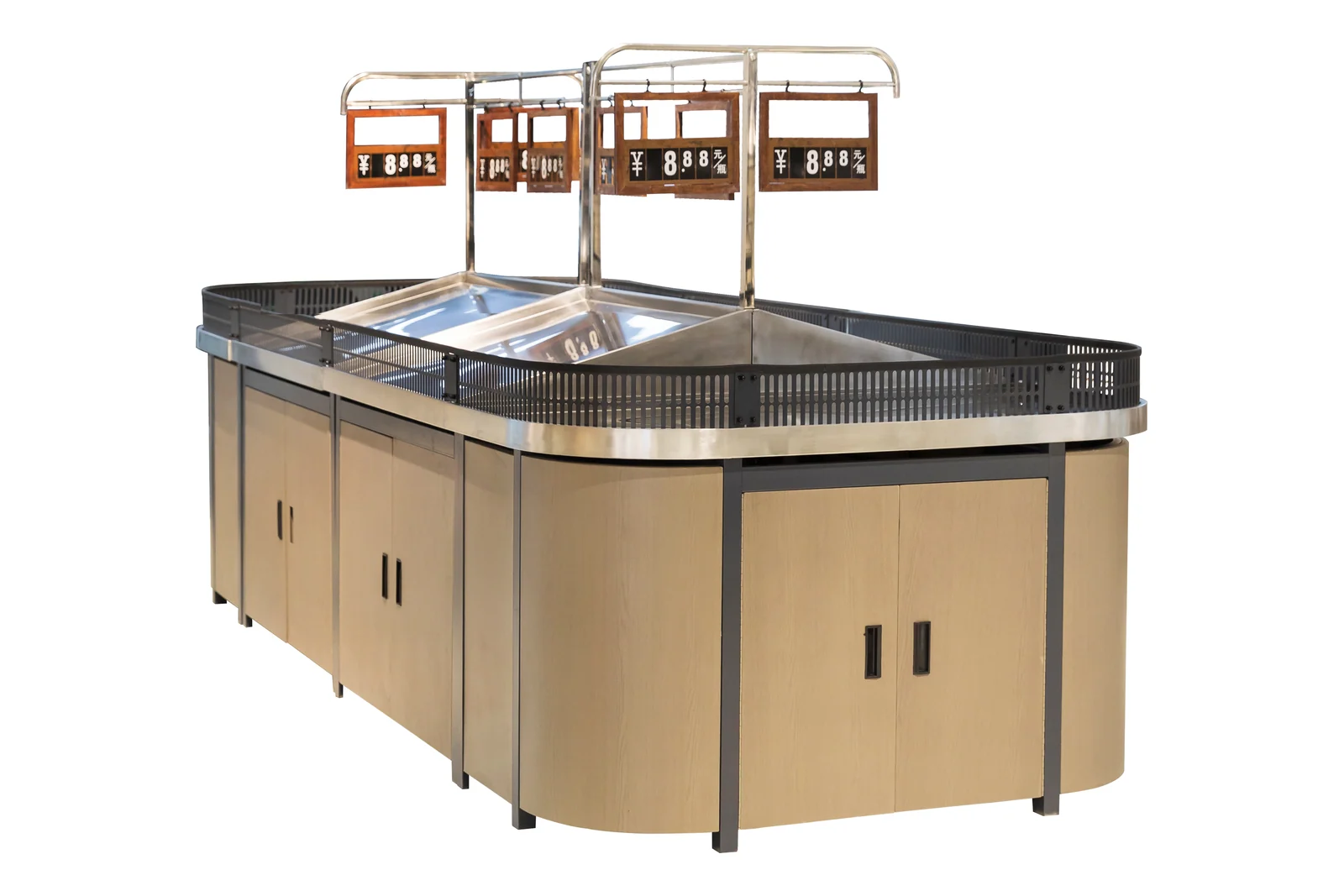
Our own produce bodies are built from 0.8 to 1.5 mm metal sheet with stainless steel board where the surface takes wear, and finished in RAL or PANTONE colours to match the rest of the store. Where the produce is misted or iced, a stainless build is the answer, because water cannot get behind a board edge.
| Material | Character | Note |
|---|---|---|
| Plastic | Cheapest; often foldable | Suits pavement display and stores that pack away nightly |
| Timber | Warmer against produce; fixed | The usual choice for hard, dry lines inside a store |
| Glass | Available at a higher price | Used for presentation rather than for volume |
| Metal and stainless | Inert surface, keeps produce cold | The answer wherever the display is wet or iced |
Buying Them
Produce stands and racks are available both in the trade and online, and the ones sold online can be customised and made by the manufacturer to the buyer's requirements, in a range of sizes, types and materials. A growing share of this category is now bought that way, which makes it more important rather than less to do the research first: a fixture bought on a photograph and delivered to a store that it does not fit is an expensive mistake.
The three things worth checking before ordering are the ones that cannot be changed afterwards: the load the frame carries, whether the display surface is inert, and how easily the whole thing cleans out.
What is on record for this category
Two produce racks on record carry dimensions: F&V Rack-21 at 1200 × 750 × 850 mm and F&V Rack-22 at 1200 × 800 × 1300 mm in stainless. Twelve builds are photographed in the produce range. Copper, chrome and plastic finishes have all been supplied as customisations.
Keshun Technical Team. First published 14 September 2018, rewritten 8 August 2026. Materials and sizes quoted above are the ones on record for this category.