

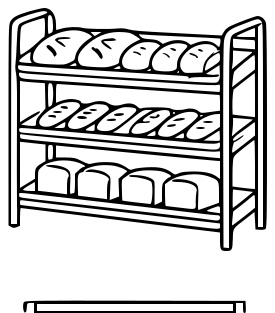
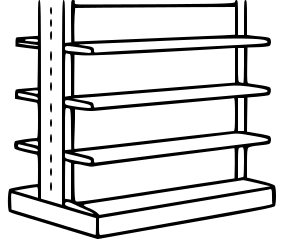
Everybody who walks into a grocery store is there to make a good purchase, and with fruit and vegetables that judgement is made almost entirely by eye. Packaging and freshness are what the shopper reads, and both of those are partly the fixture's doing. A produce rack is not a table that happens to hold vegetables. It is the tool that keeps them dry, exposed to air and looking worth buying, and choosing one badly costs money every single day.
Key takeaways
- Strength first. A produce rack carries a lot of weight and the frame is what fails if it is under-specified.
- The surface must not react with what is on it, which is why metal-faced and stainless builds exist.
- Simple shapes with smooth edges clean quickly. A rack that is hard to wipe down stops being wiped down.
Why The Rack Is Part Of The Product
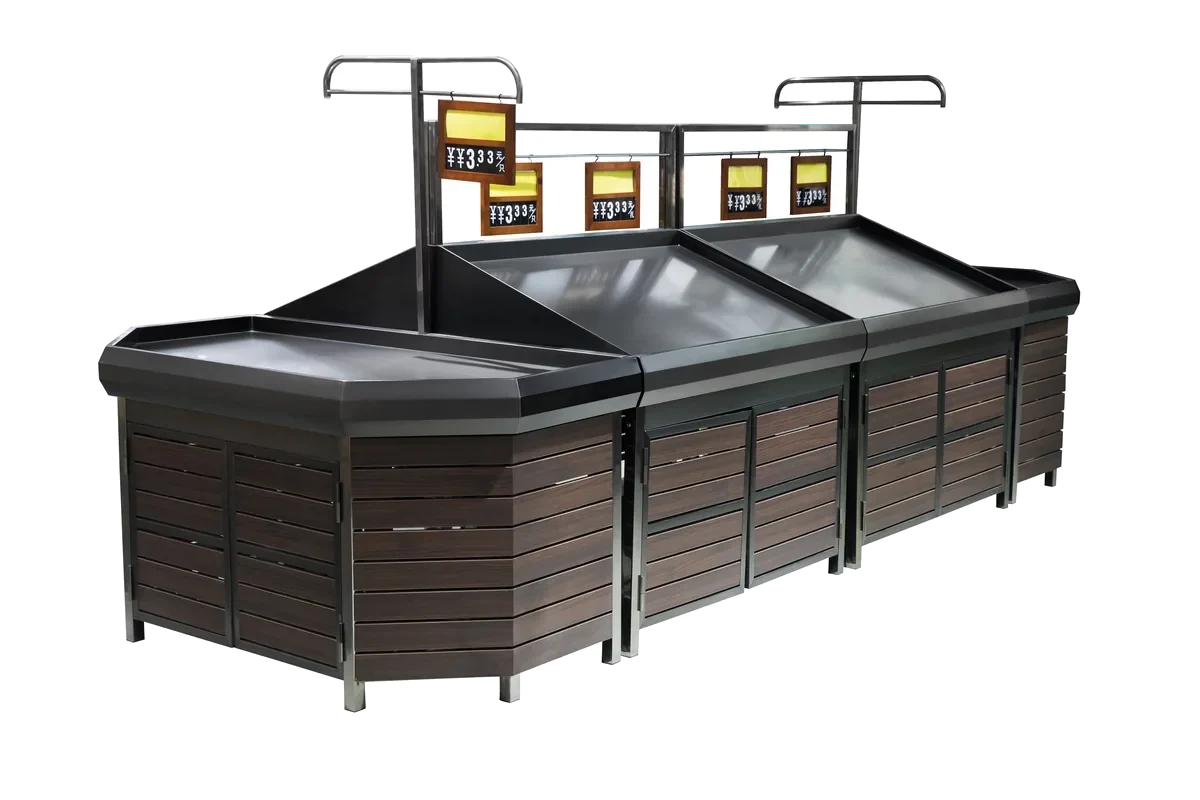
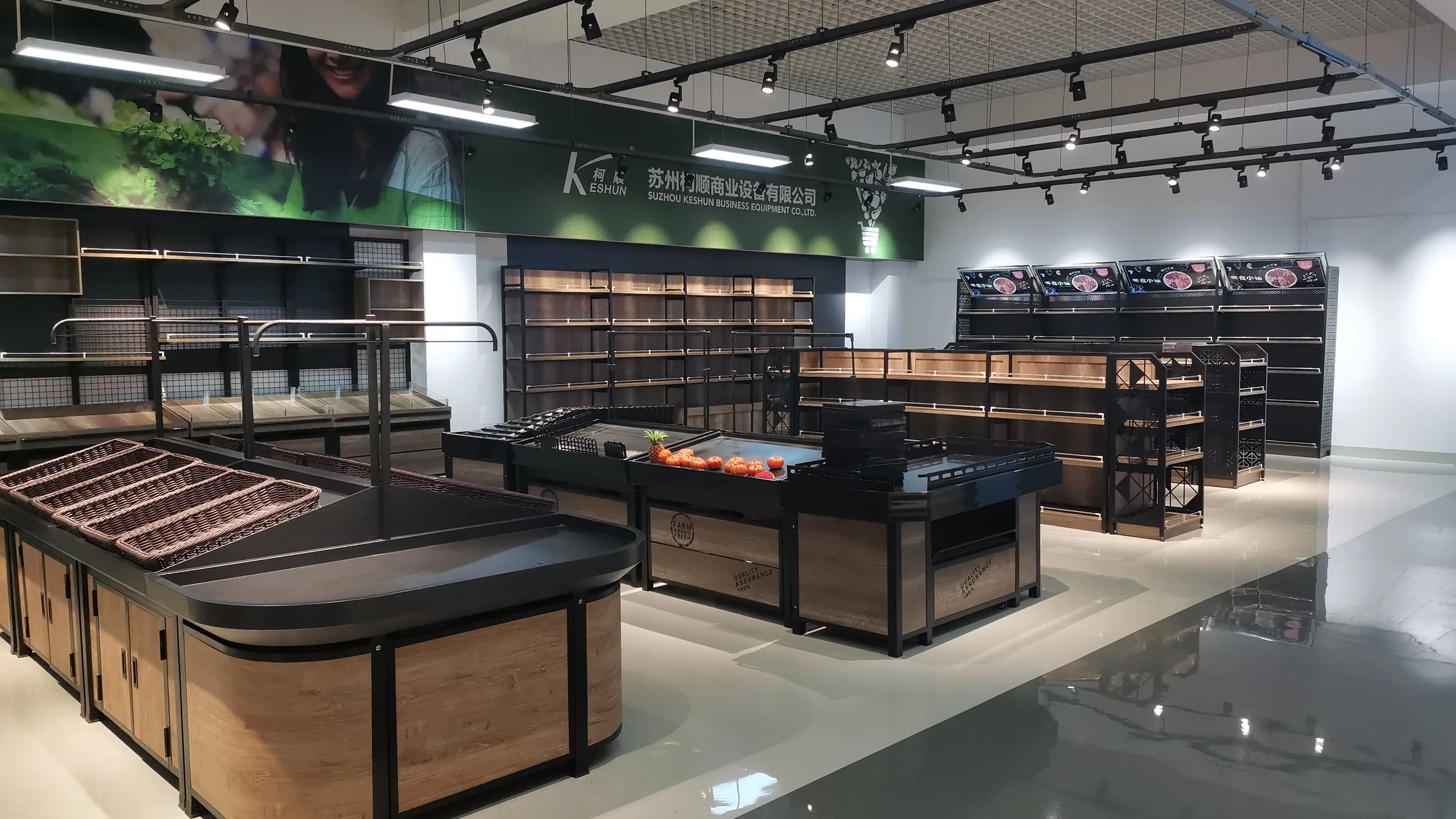
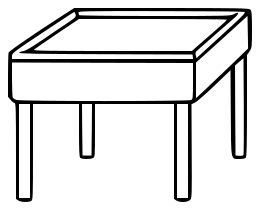
On the shop's side of the counter, the display of vegetables contributes directly to how much gets sold in a day. That is why the operators who understand this look for a proper display tool rather than a conventional table that simply contains the produce. What they are looking for is something that exposes the vegetables to fresh air and keeps them dry and free from decay, because the difference between produce that looks fresh and produce that looks tired is often nothing more than how it has been standing.
That is the whole case for the category. A rack that holds the same weight of vegetables in a way that lets air move around them will sell more of them, and will throw fewer of them away.
Strength And Integrity
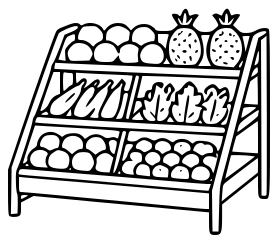
A vegetable rack for a supermarket has to be strong enough to support the weight of the wide range of produce that will sit on it, and that is more than people estimate. A full multi-tier display of root vegetables and hard fruit is a serious load, applied unevenly and reloaded every morning.
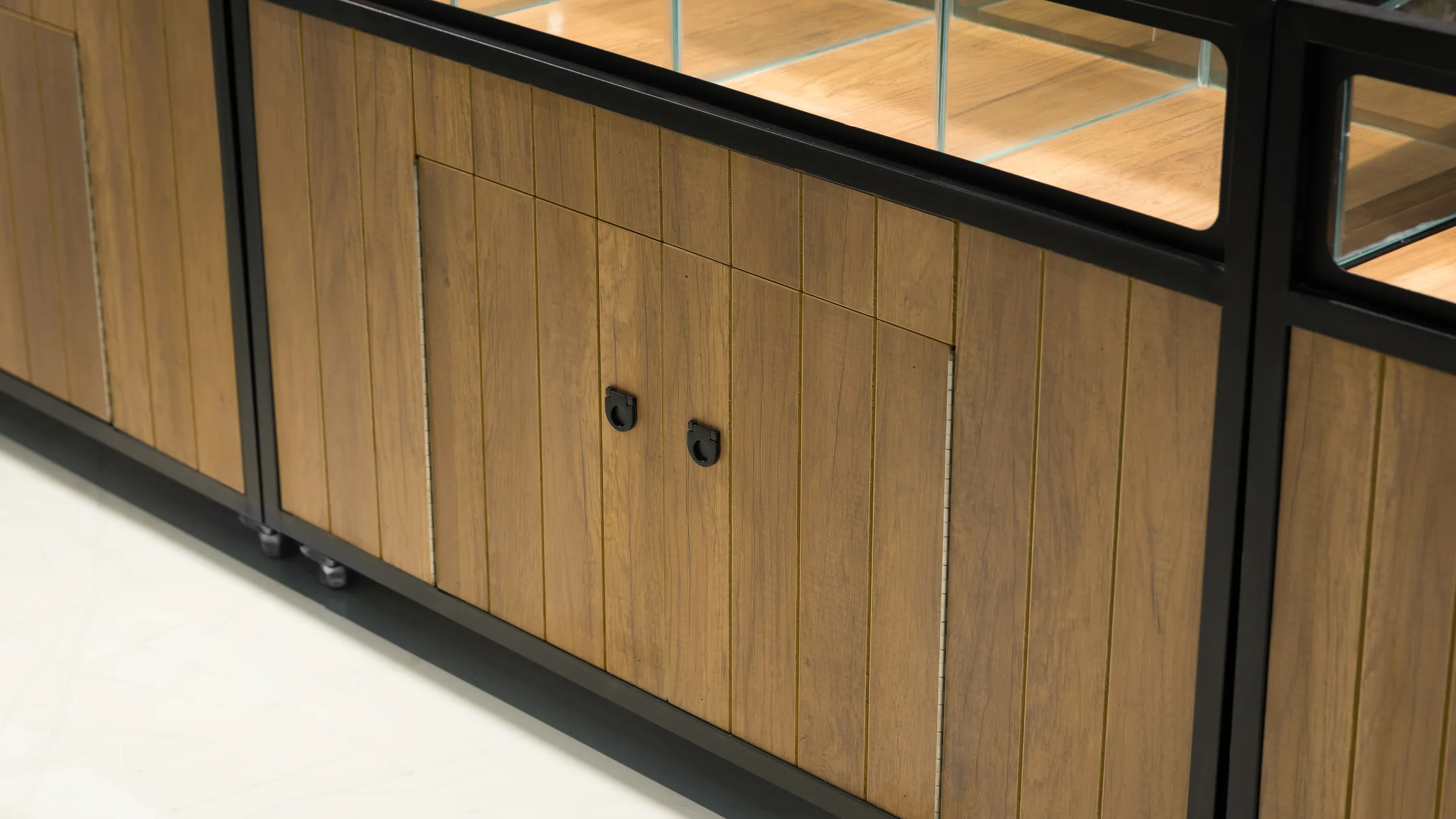
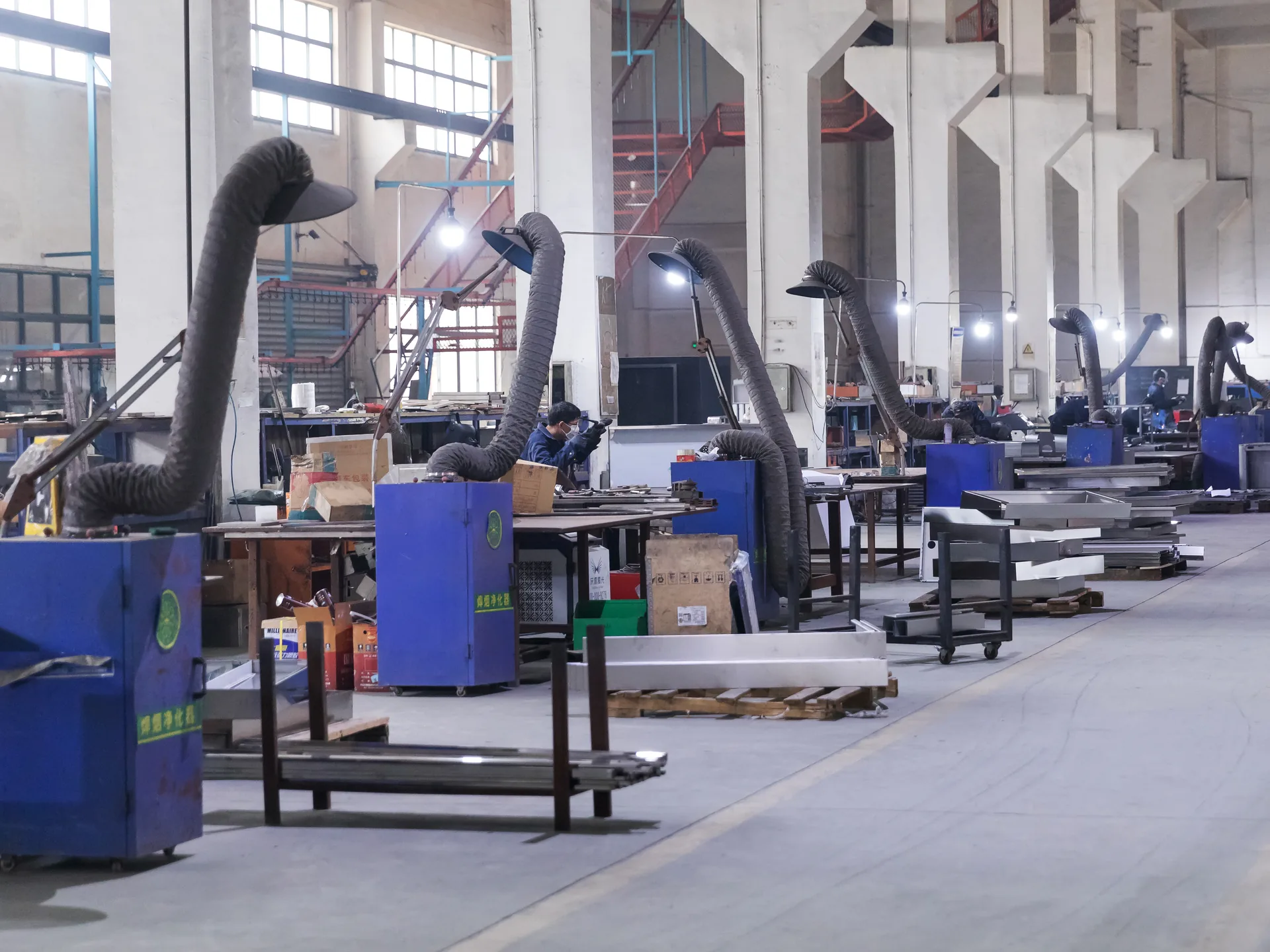
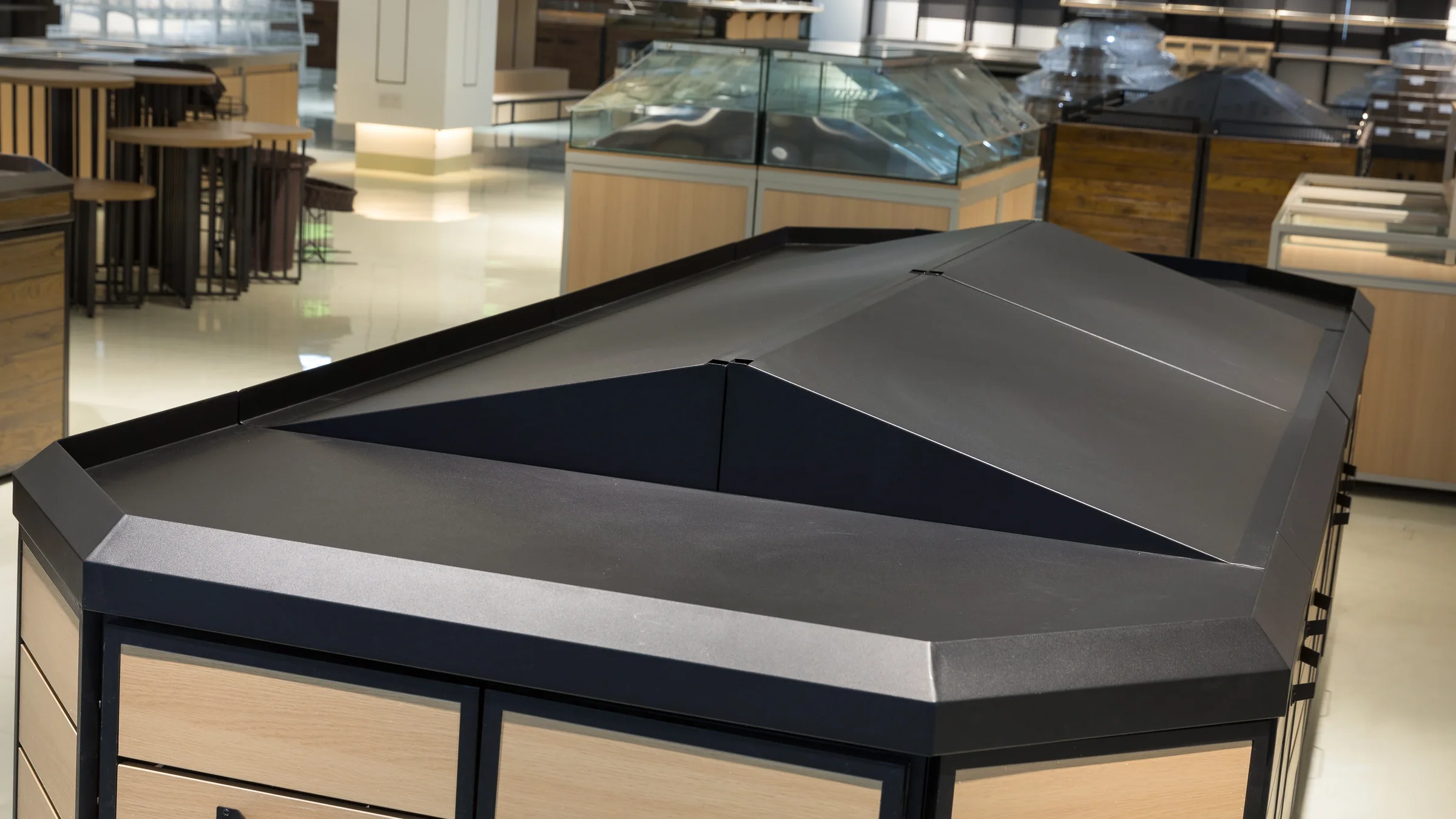
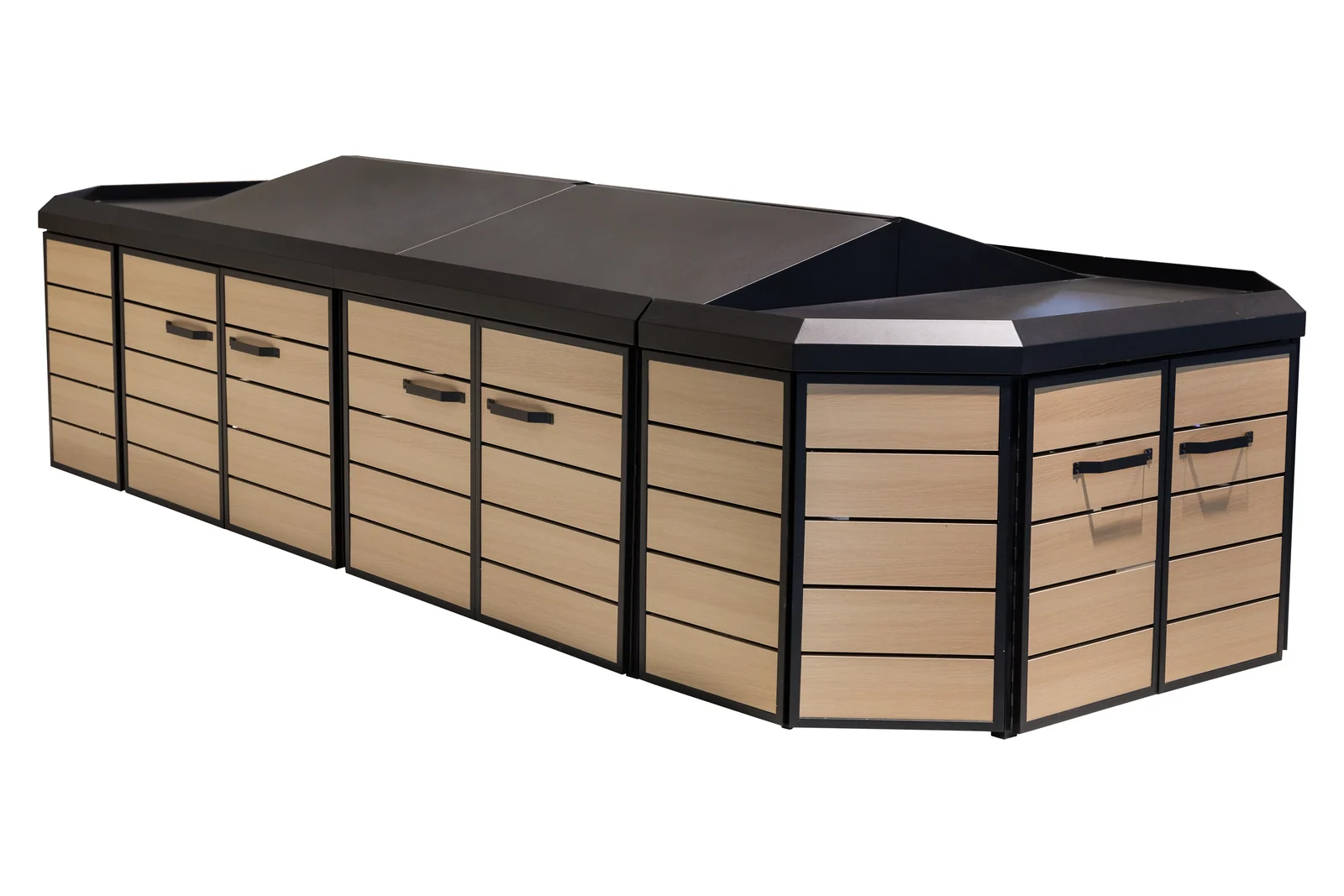
So look at the integrity of the build and the material used in it. Ours are built from 0.8 to 1.5 mm metal sheet with stainless steel board where the surface takes wear, on a frame that carries the load rather than relying on the facing to do it. Whatever the supplier, the questions are the same: what thickness is the sheet, what carries the load, and what happens at the corner where a trolley hits it.
The Surface Has To Be Inert
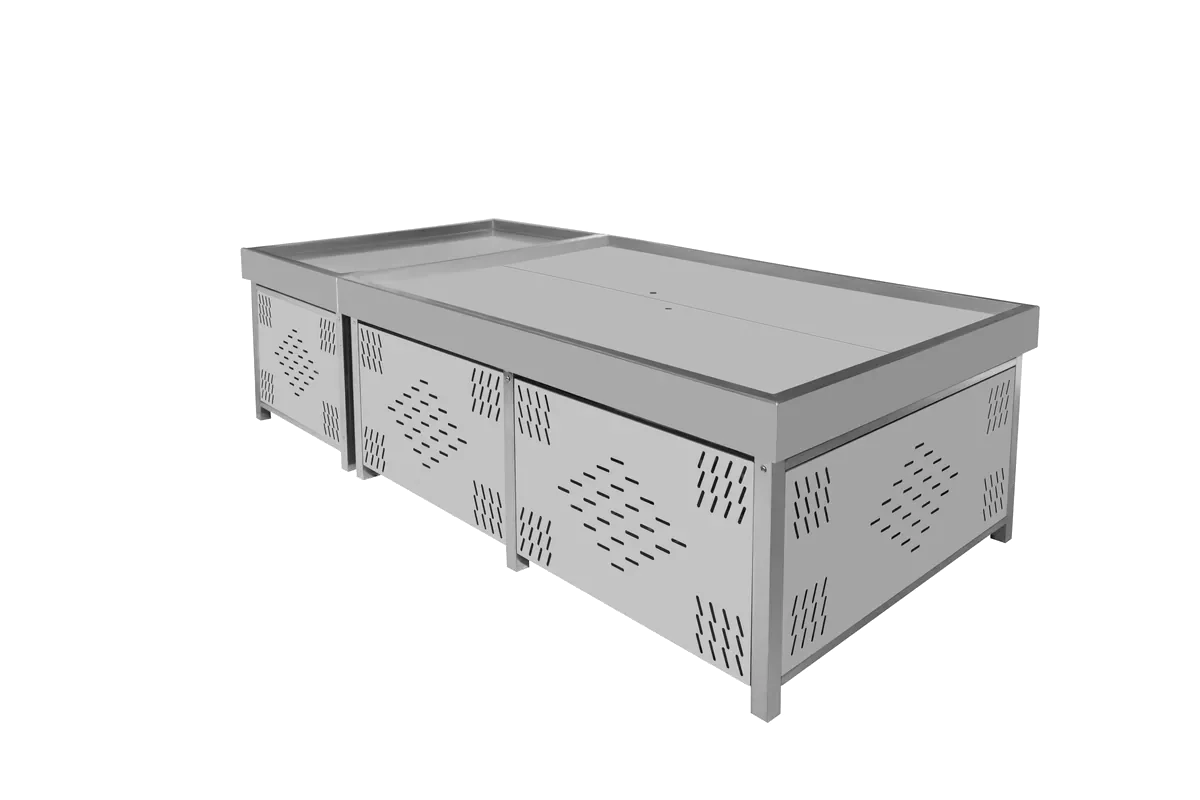
The surface a vegetable sits on should be made of a material that does not react with it. This is the reason produce fixtures are faced in metals, and why coatings such as copper have been used on this category for years. Wooden racks are common and perfectly good for hard, dry produce; where the display is misted, iced or hosed down, metal is the answer, and a stainless steel vegetable rack keeps the goods cold and cuts the chance of spoilage measurably.
The difference between produce that looks fresh and produce that looks tired is often nothing more than how it has been standing.
Size And Model
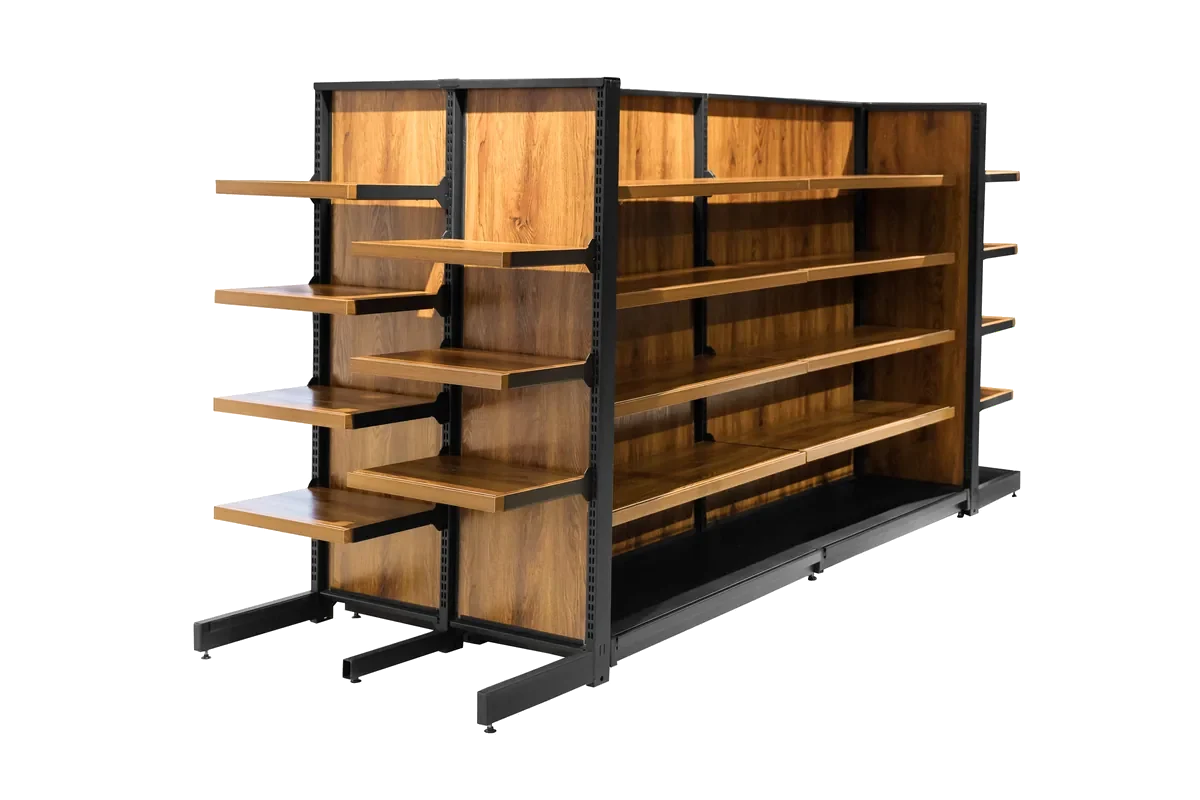
After strength, size. There are different models of produce rack: medium-sized ones and relatively large ones able to hold considerably more. Which you need is set by the aisle and by turnover rather than by preference, and it is worth being realistic — a rack sized for your busiest Saturday will look half empty for the other six days, and a half-empty produce display reads badly.
| Check | What good looks like |
|---|---|
| Strength | Load carried by the frame; 0.8 to 1.5 mm sheet or better |
| Surface | Inert facing; metal or stainless where the produce is wet |
| Size | Sized to normal turnover, not to the busiest day |
| Cleaning | Simple shape, smooth edges, no traps at the joints |
Ease Of Maintenance
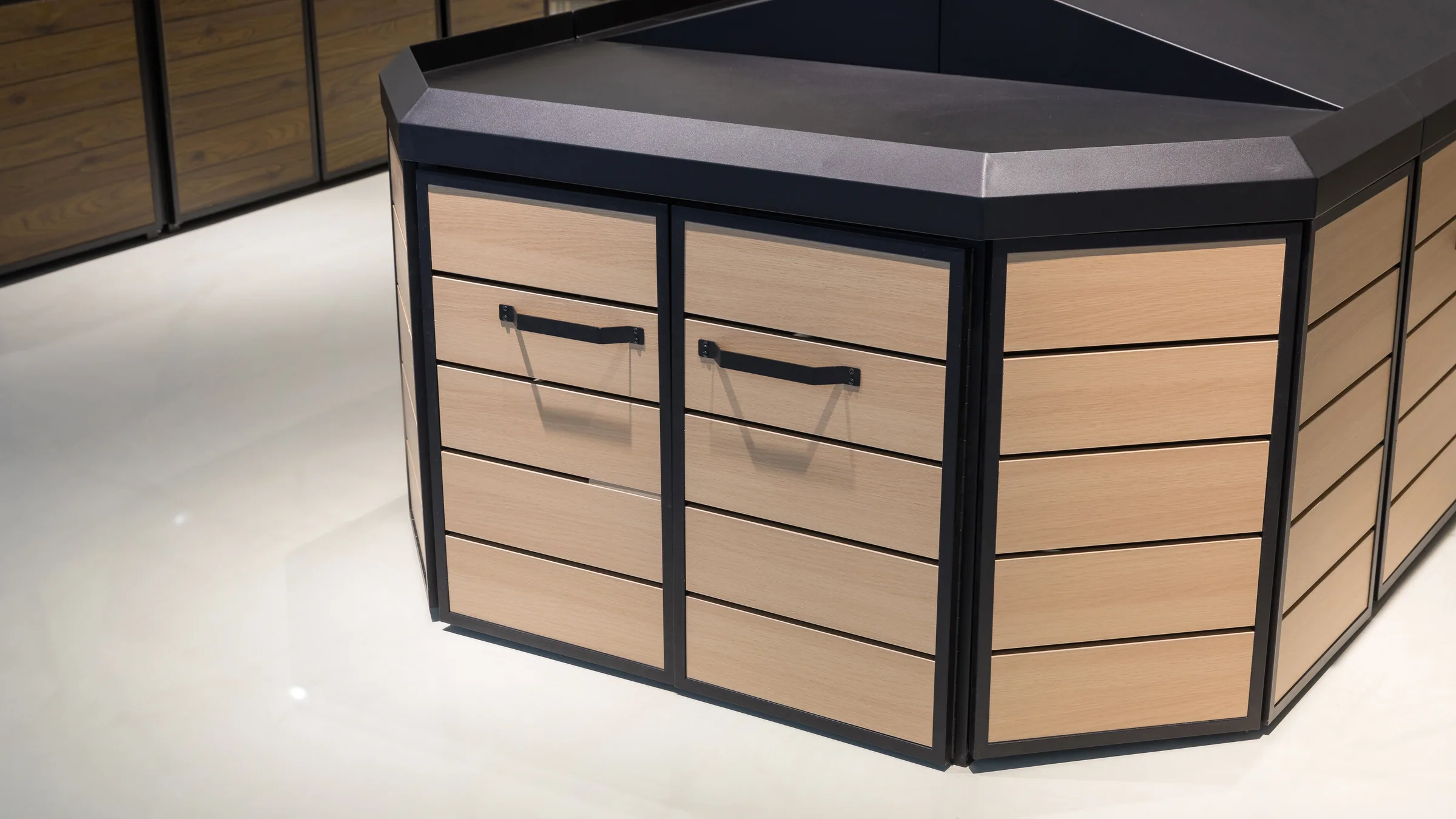
Finally, check how easily the rack is maintained. The right choice is a simple one with smooth edges, so the polished surface stays clean and there is nowhere for a leaf to lodge and rot. This sounds like a minor point and it is not: a produce rack that is awkward to wipe down stops being wiped down within a fortnight of the store opening, and everything else about the specification stops mattering at that point.
What is on record for this category
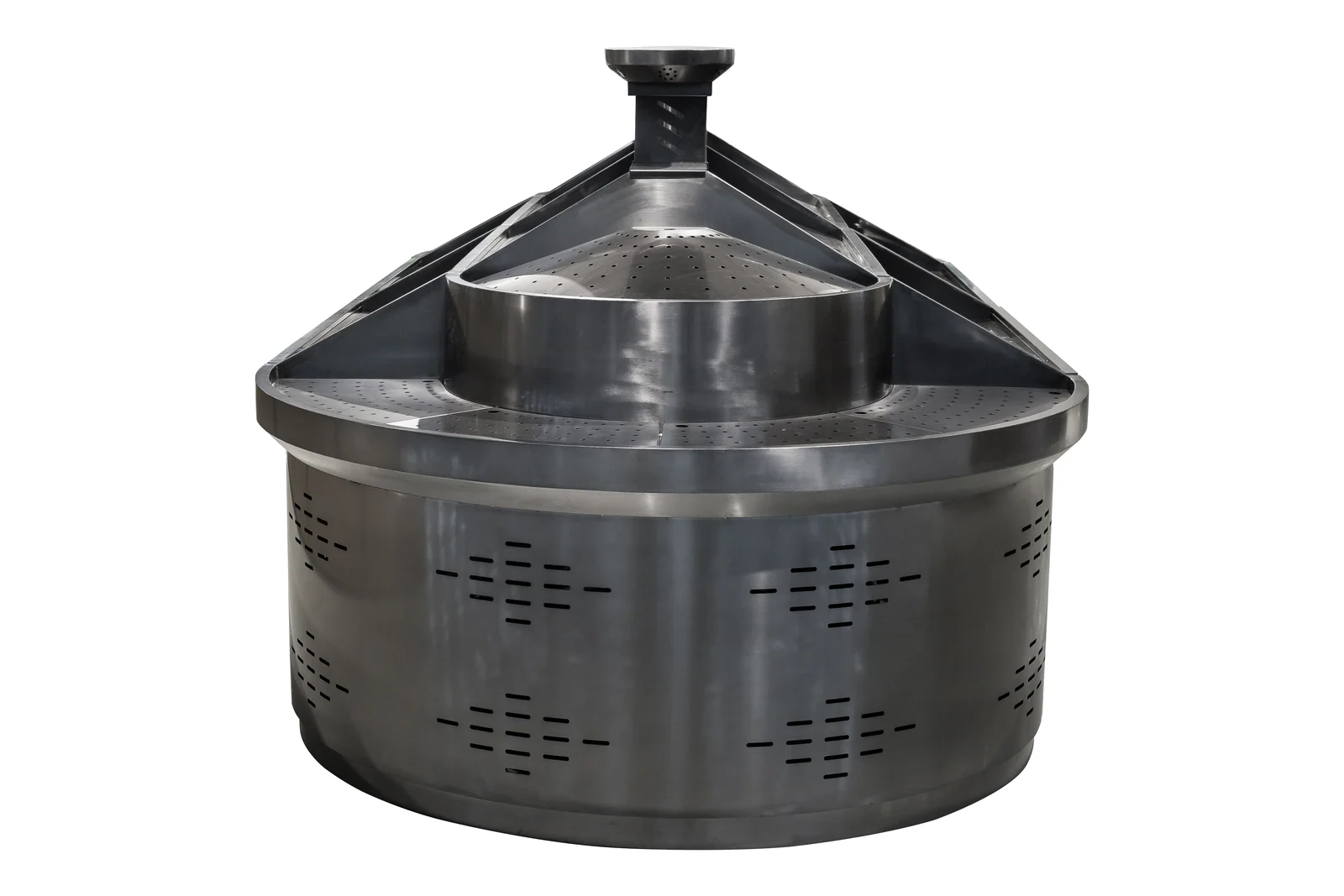
Two produce racks on record carry dimensions: F&V Rack-21 at 1200 × 750 × 850 mm and F&V Rack-22 at 1200 × 800 × 1300 mm in stainless. Fresh rack runs are quoted per group, at L1000 × W400 × H1700 mm single-sided and L1000 × W800 × H1500 mm double-sided. Copper, chrome and plastic finishes have all been supplied as customisations.
Keshun Technical Team. First published 7 August 2019, rewritten 8 August 2026. Sizes, materials and finishes quoted above are the ones on record for this category.