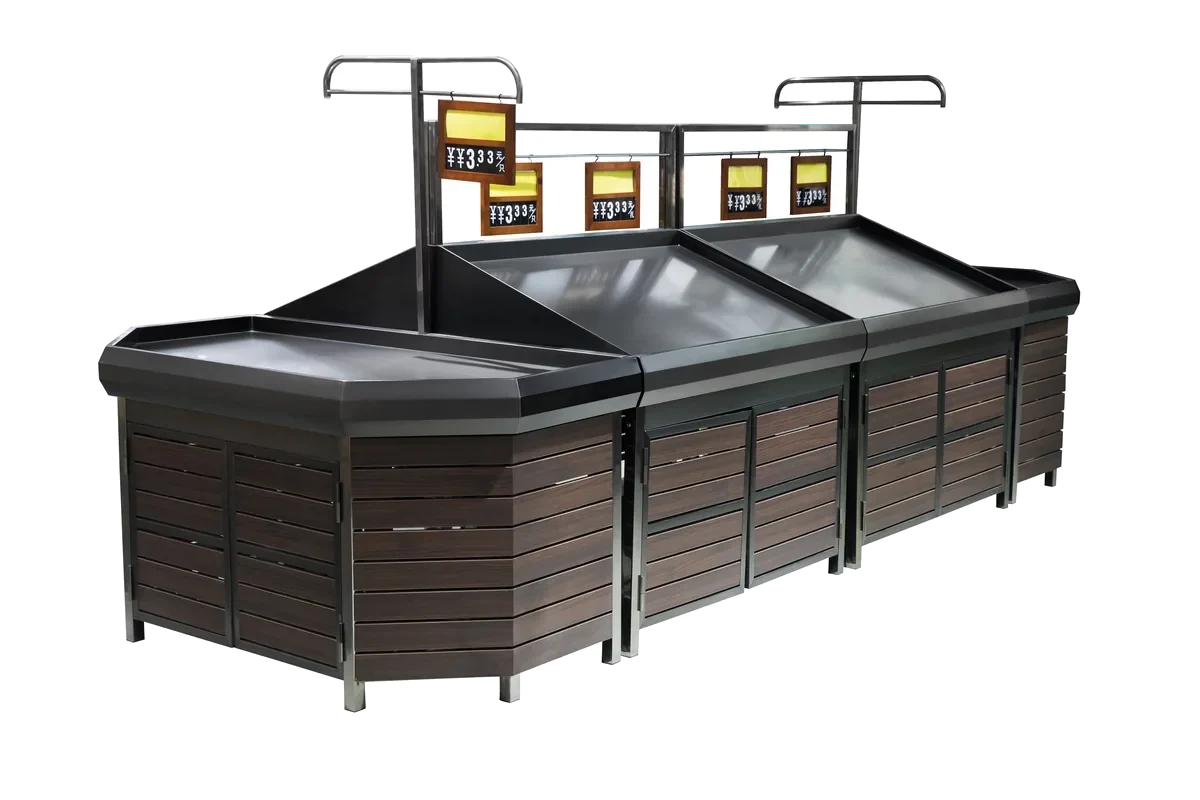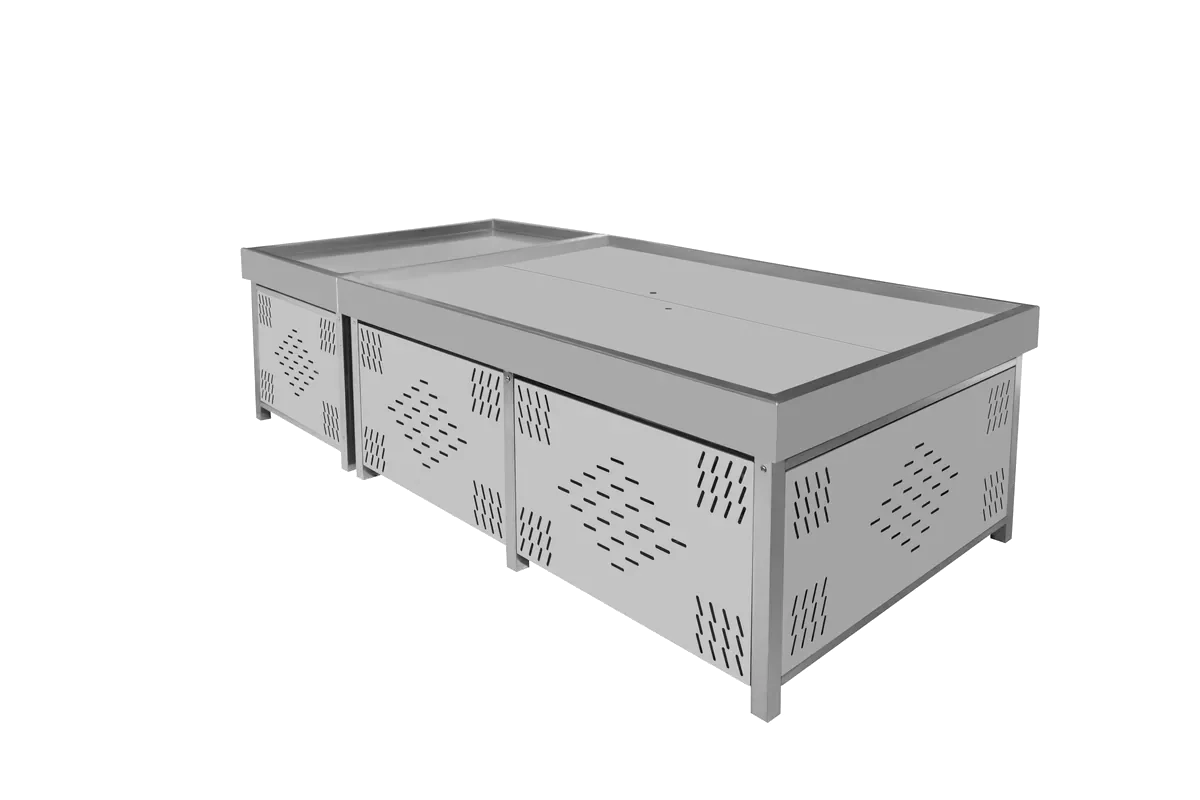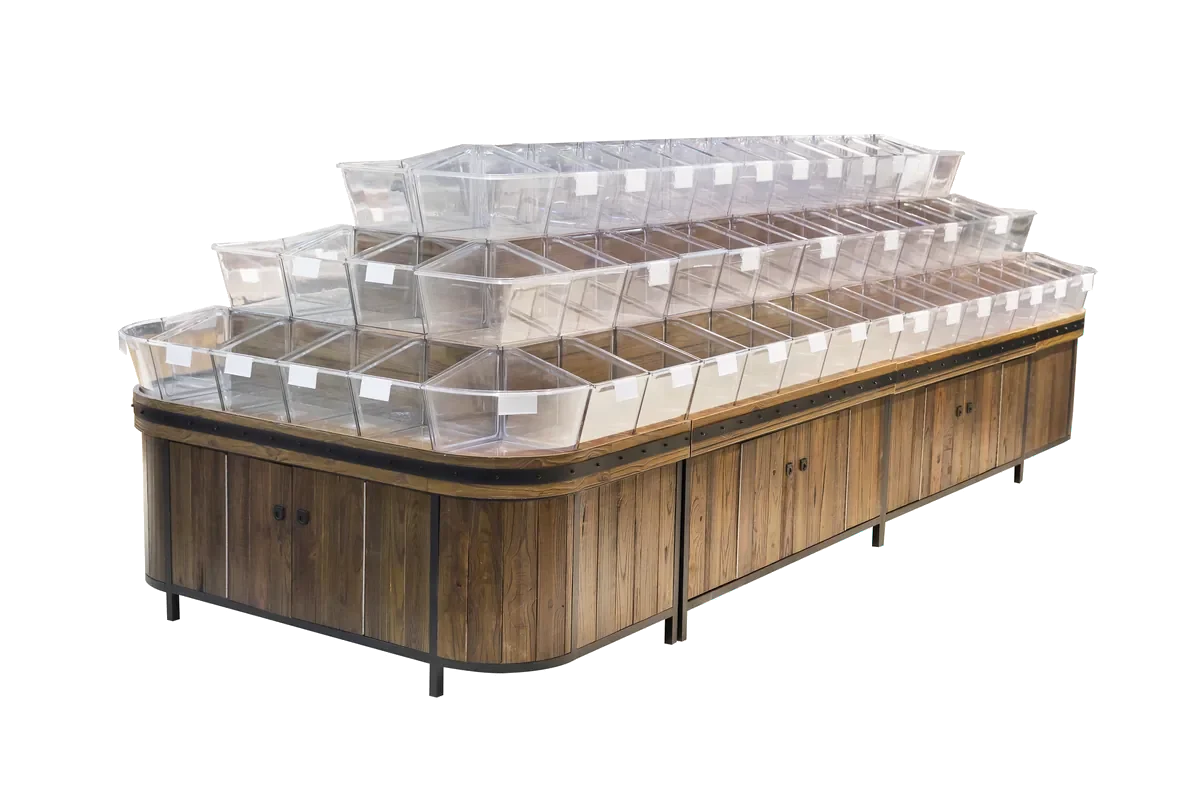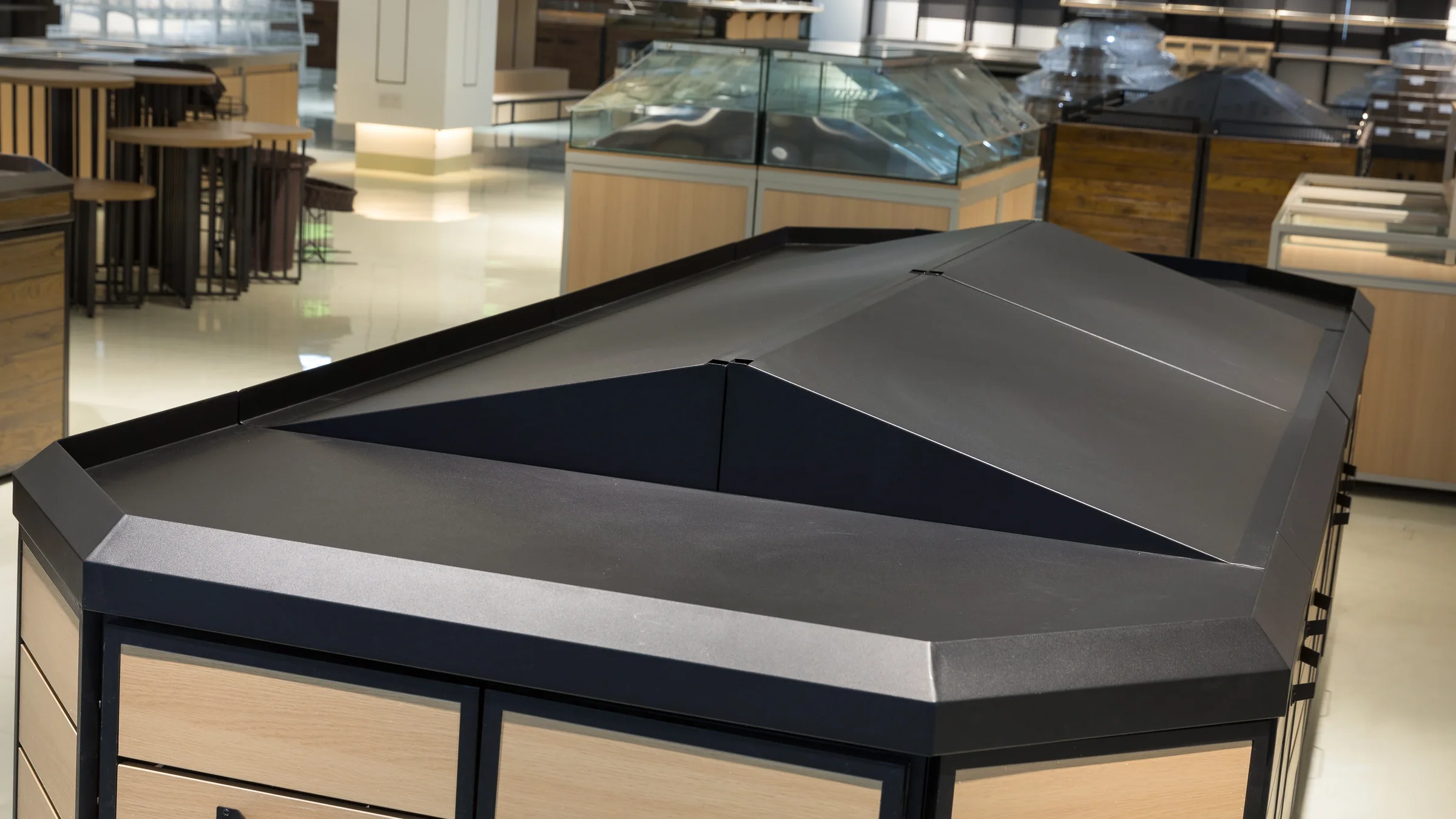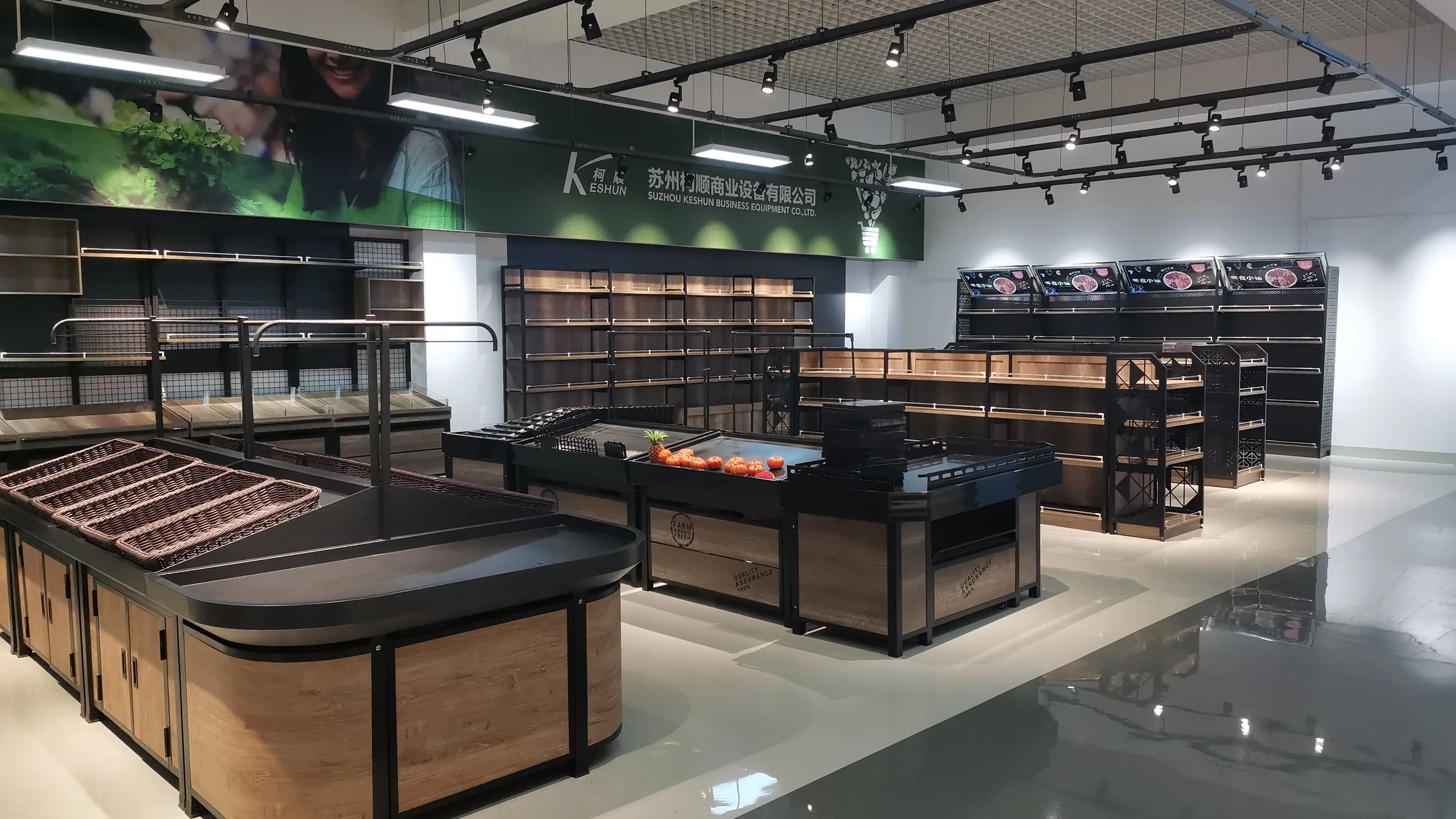
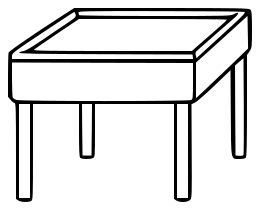


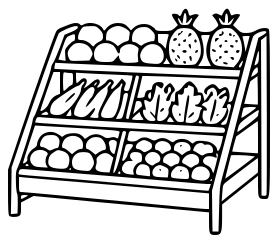
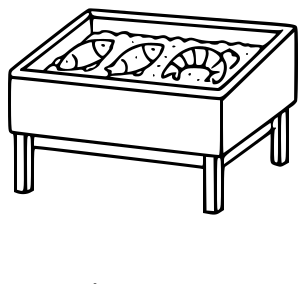
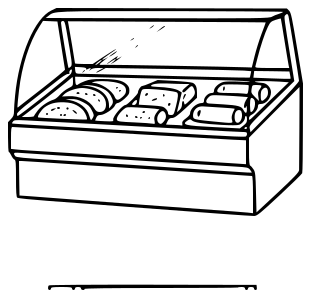
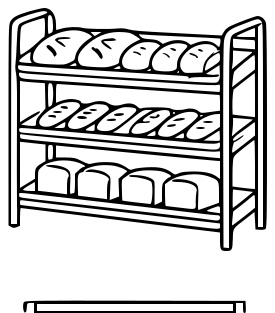
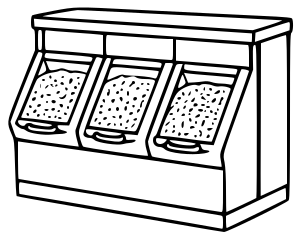
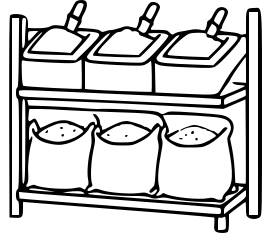
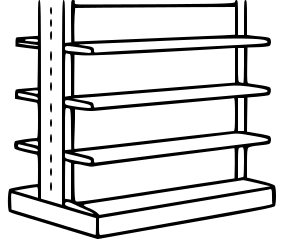
Running a supermarket is hard work, and one of the least glamorous parts of it decides more of the margin than most people expect: waste. The majority of a store's waste sits in the vegetable section, and in some shops that section is visibly full of it. Shoppers avoid that area, and then they avoid the store. The fixture is a bigger part of the fix than it looks.
Key takeaways
- Most supermarket waste is in produce, and a visibly wasteful produce section drives shoppers out of the whole store.
- A proper rack displays produce so it is picked over less, keeps it in better air, and is quick to clean out.
- Standard-size racks make stock handling easier, which is where a lot of the day-to-day loss actually comes from.
Why The Produce Aisle Is Where The Waste Is
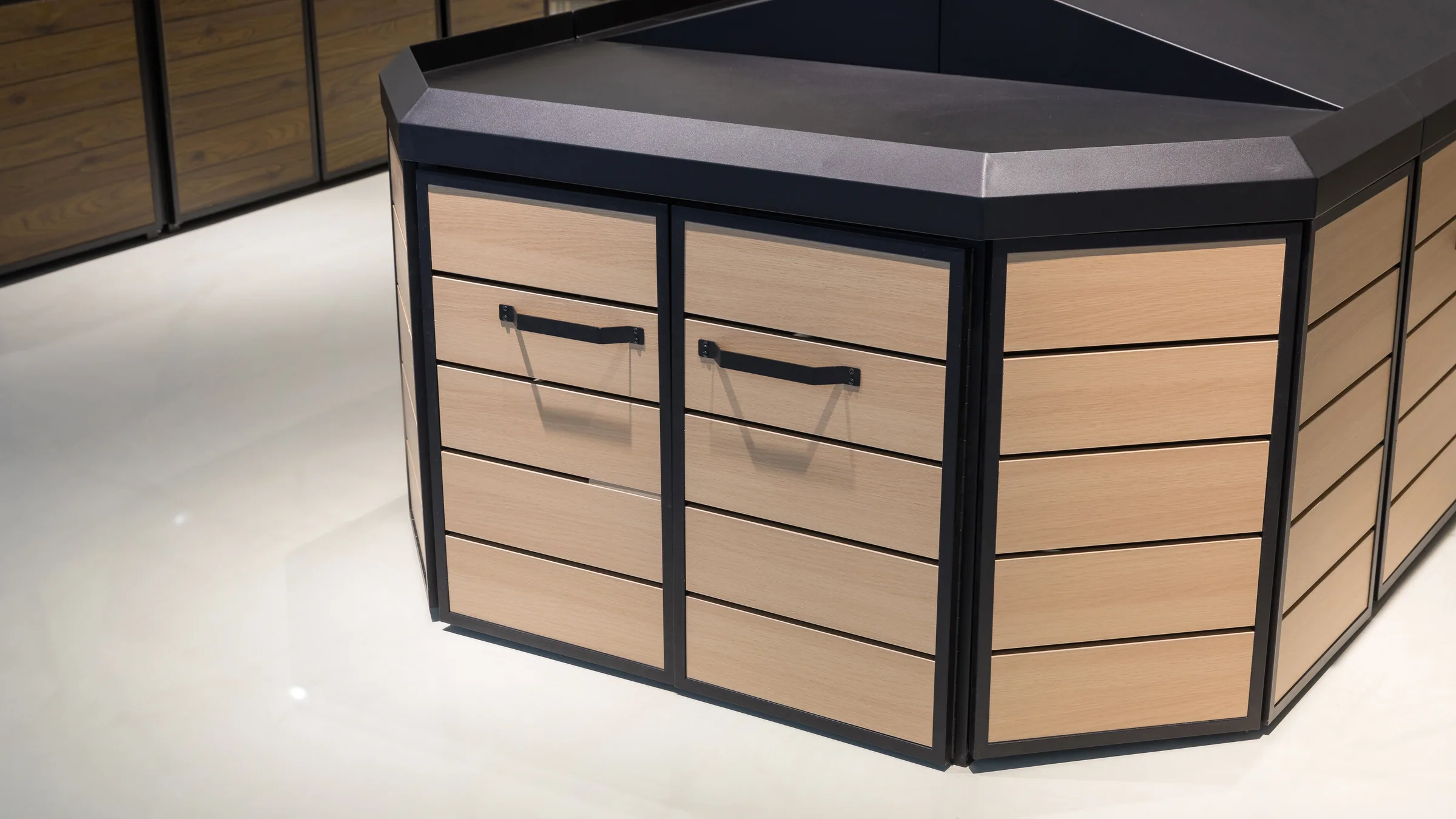
Vegetable racks are essential in any supermarket for the obvious reason: they hold the produce neatly and make fruit and vegetables look good. Less obviously, they make shopping easier, because organised produce is produce a customer can pick from without turning over half of it.
That matters because a picked-over display is a wasteful display. Where produce is heaped, the items at the bottom get bruised by the ones above and by every shopper who reaches through. Where a store's vegetable section smells and looks untidy, plenty of shoppers avoid the area, and some avoid the shop. Keeping the area clean and neat is the single highest-leverage housekeeping job in a supermarket, and a good rack makes it possible rather than aspirational.
A Rack Is A Display Before It Is Storage
Each fruit and vegetable rack is a prominent display and it can lift sales substantially. Place the items carefully and customers notice them; it is easy for them to find and pick what they want, and a good display of produce in a proper rack returns real profit. The right kind of rack is the one that lets that happen without the display collapsing halfway through a trading day.
This is where the tier arrangement earns its money. Tiers stepped so the back row is visible from standing height mean a shopper takes from the front and the display stays legible; a flat bed heaped high means people dig, and everything they touch and put back is closer to being thrown away.
A picked-over display is a wasteful display. Most of the difference between the two is how the rack presents the produce in the first place.
Vegetables Stay Fresh Longer
When vegetables are presented properly they stay fresh for a longer period. Air moving over the display, and air conditioning reaching it, supplies the cooling that keeps produce in condition — which means fewer losses from produce going over before it sells. That is the direct financial argument for a rack over a table: the same stock lasts longer standing on the right fixture.
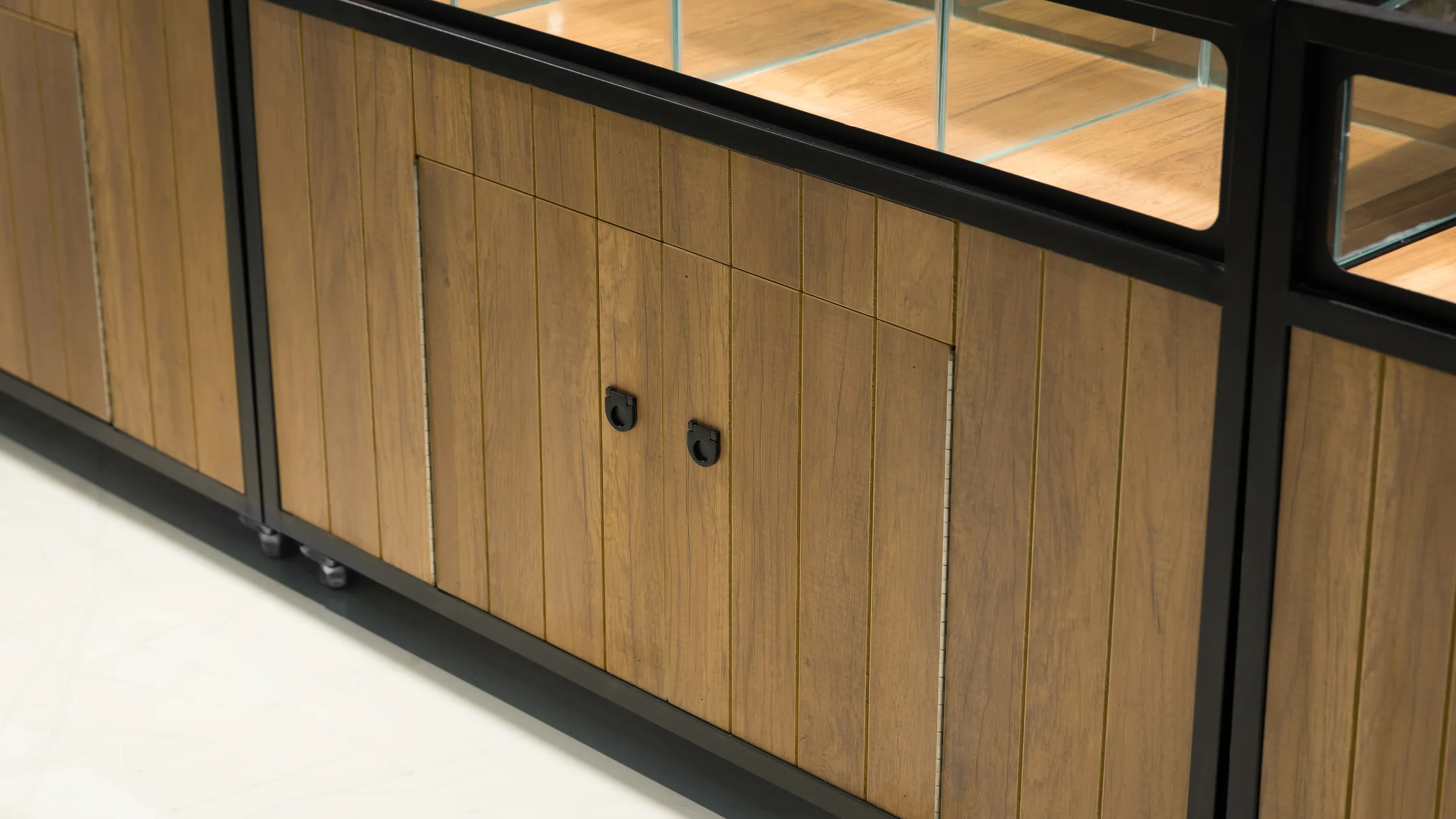
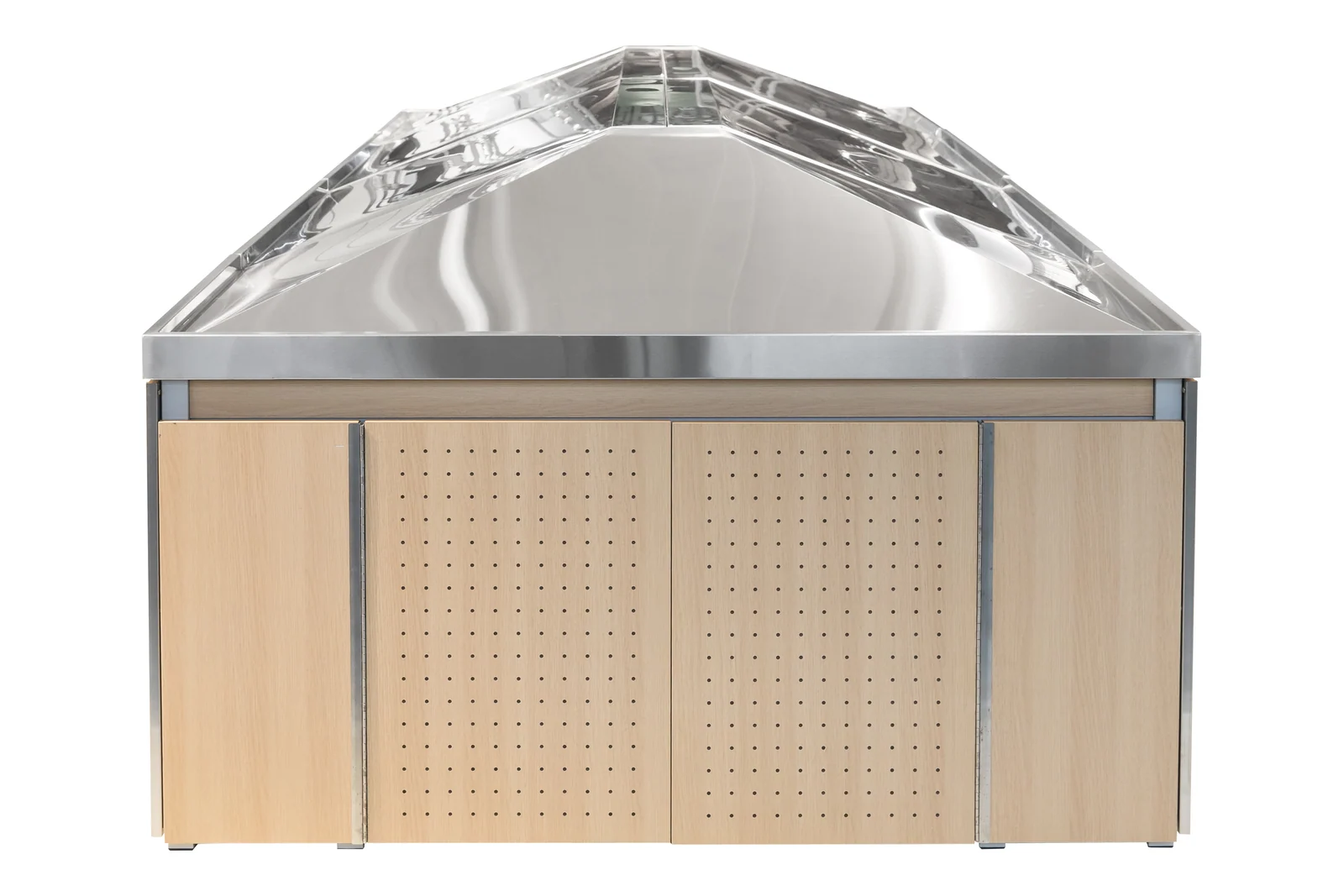
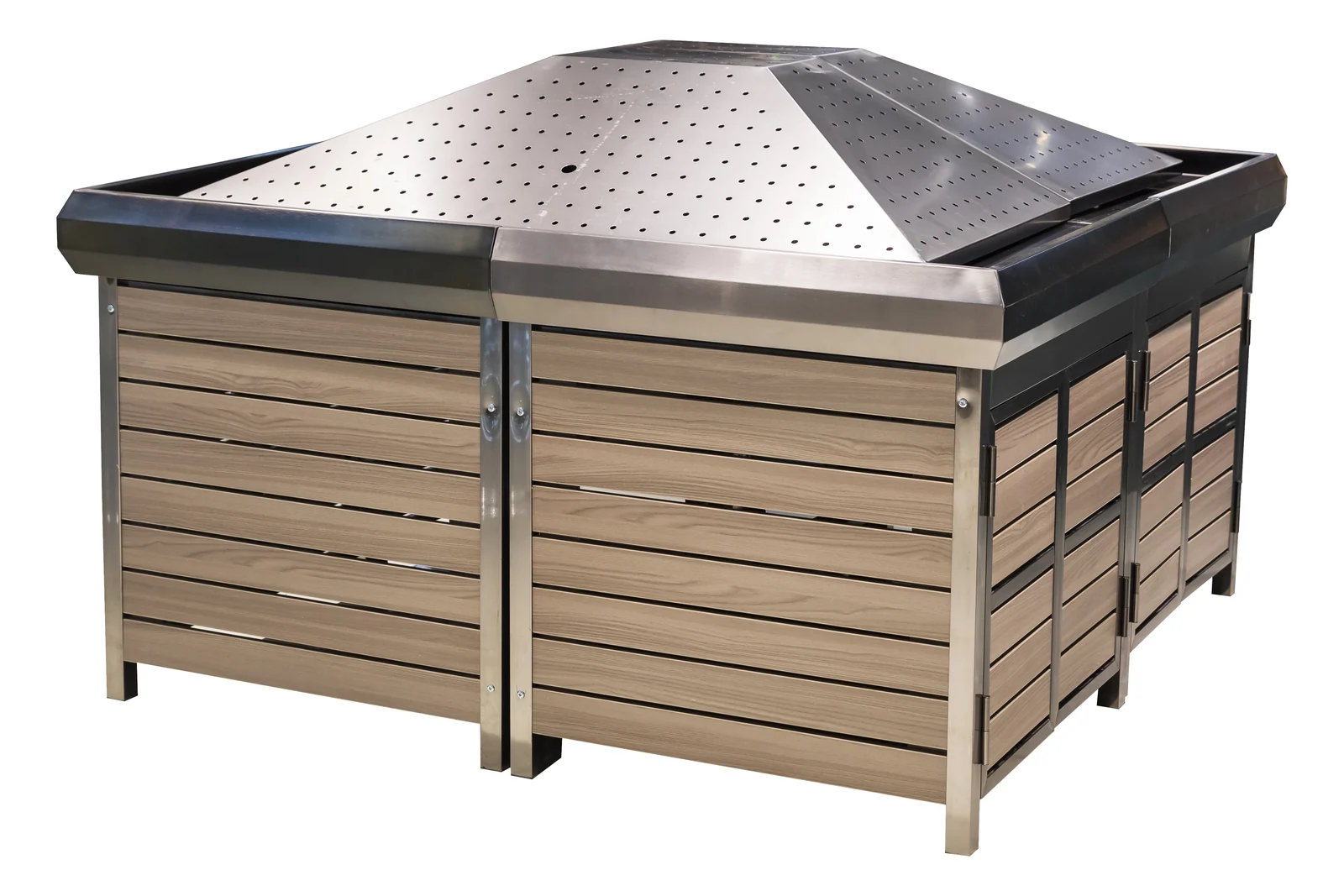
It is also the argument for the right facing material. Where produce is misted, iced or washed on the floor, a stainless or metal-faced rack keeps the goods cold and cuts spoilage. Where it arrives dry and in crates, timber is perfectly good and reads warmer. Most produce aisles want both.
Better Store Efficiency
A fruit and vegetable rack has many slats to hold the produce, and once a store has enough racks its staff can handle stock without difficulty. It is worth getting them in a standard size so they hold and handle a consistent quantity both on display and in storage — a mixed set of odd sizes is one of the quiet reasons a produce section is slow to restock.
Cleaning follows the same logic. A vegetable rack is straightforward to clean out, which means no waste is left sitting on the shelves or on the floor. Choose a simple shape with smooth edges and pressed rather than assembled decks, so there is no joint for a leaf to lodge in and rot. A rack that is awkward to wipe down stops being wiped down, and everything above stops applying at that point.
| Effect | How it works |
|---|---|
| Better display | Stepped tiers keep the back row visible, so shoppers take rather than dig |
| Longer freshness | Air and cooling reach the produce, so stock lasts longer before it goes over |
| Faster handling | Standard sizes and easy cleaning keep the section restocked and clear of waste |
What is on record for this category
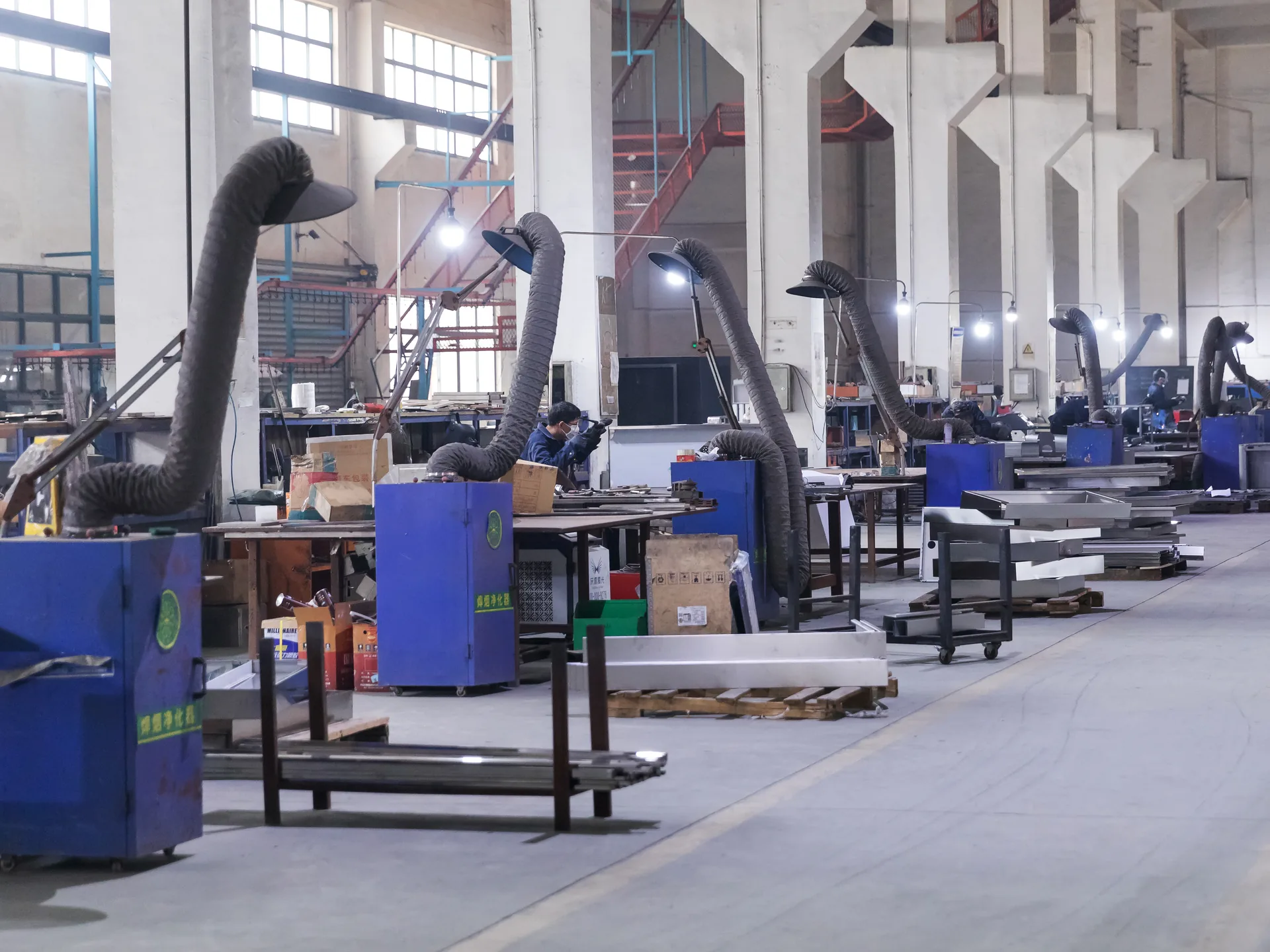
Two produce racks on record carry dimensions: F&V Rack-21 at 1200 × 750 × 850 mm and F&V Rack-22 at 1200 × 800 × 1300 mm in stainless. Fresh runs are quoted per group at L1000 × W400 × H1700 mm single-sided and L1000 × W800 × H1500 mm double-sided. Bodies are 0.8 to 1.5 mm metal sheet with stainless steel board.
Keshun Technical Team. First published 13 June 2019, rewritten 8 August 2026. Sizes and materials quoted above are the ones on record for this category.