

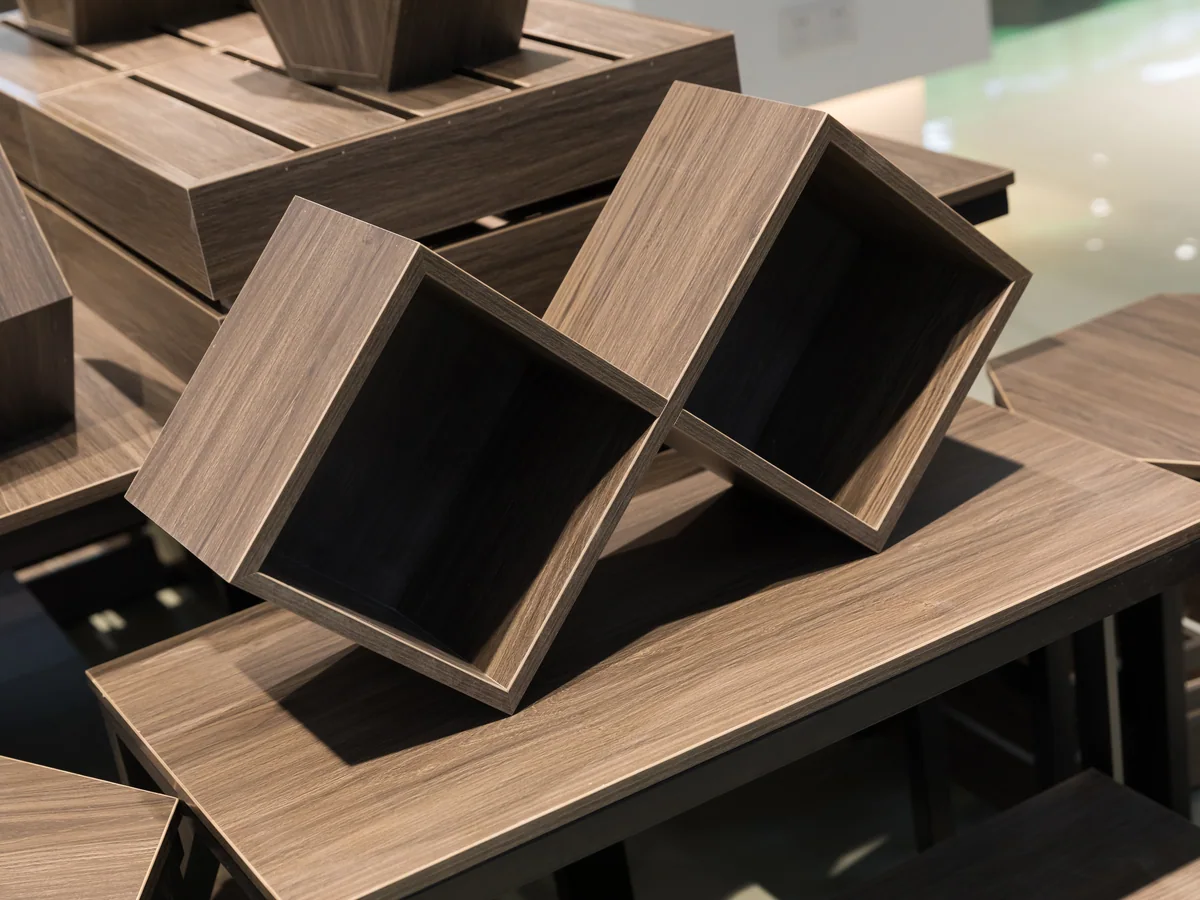
Hexagon Riser
Sits on any table
The risers sit on any table in the set at any height. It is the piece that turns a flat arrangement into a scene, and it is the one stores end up wanting more of.
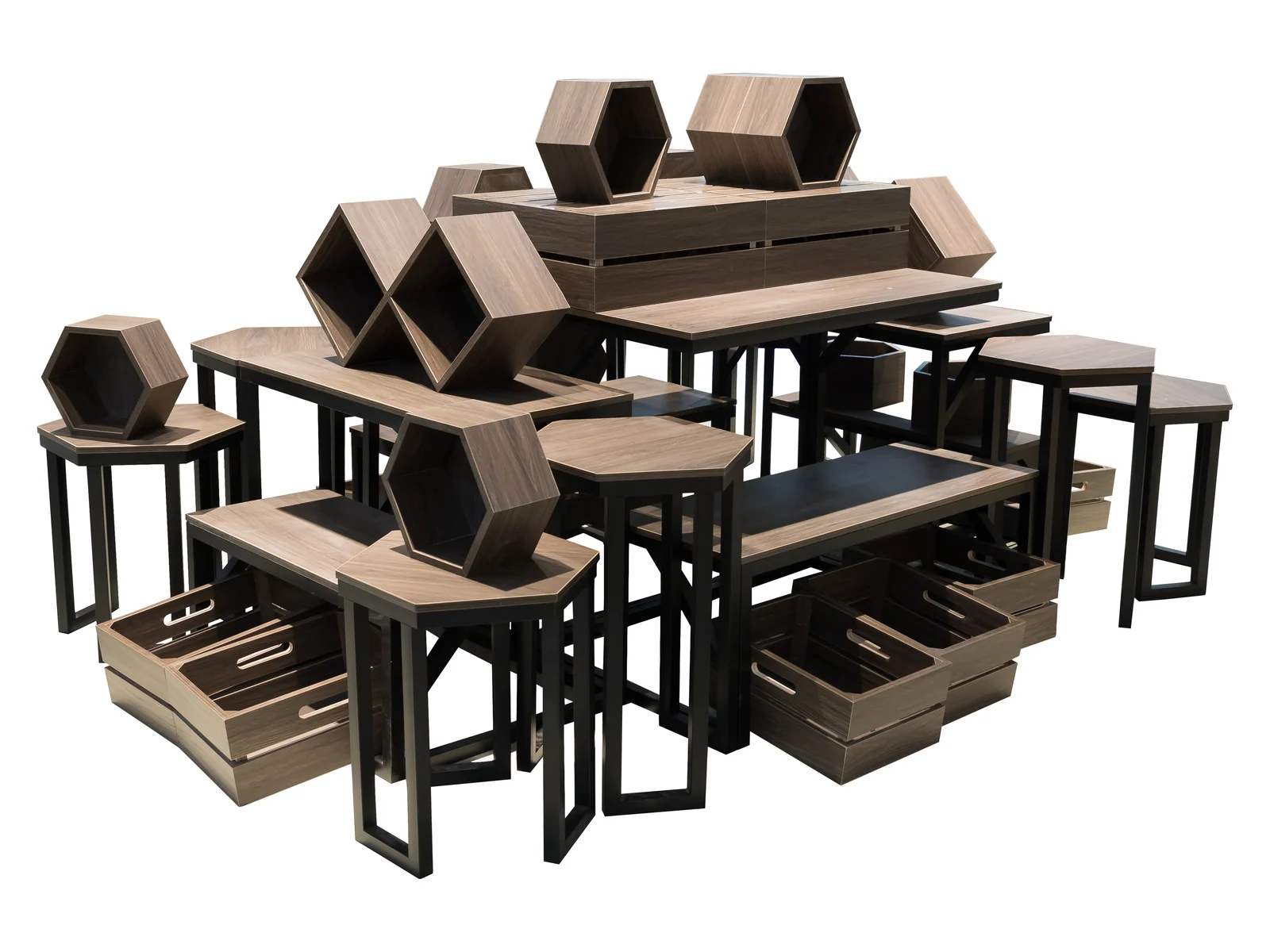
Grouped set · rearrangeable · hexagon risers and steps
Not one fixture but a set: tables, hexagonal risers and low steps that a store arranges into a different scene each season without buying anything new.
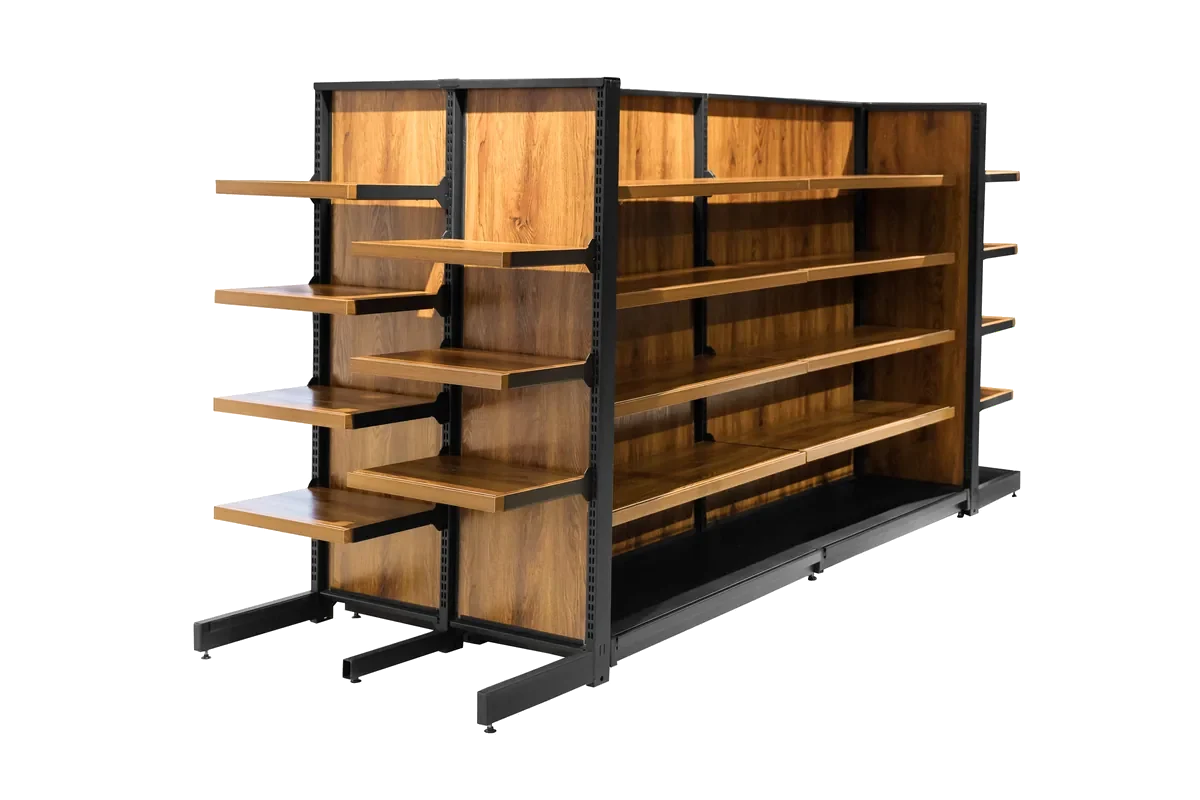
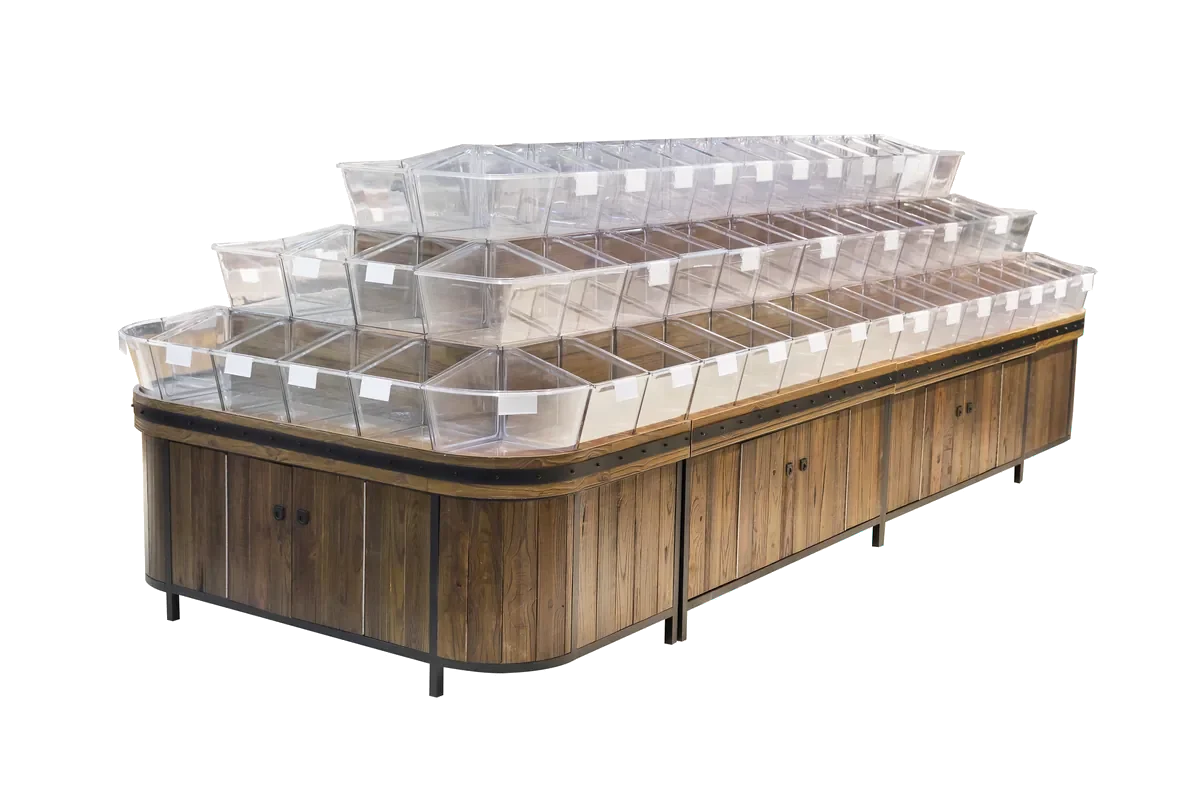
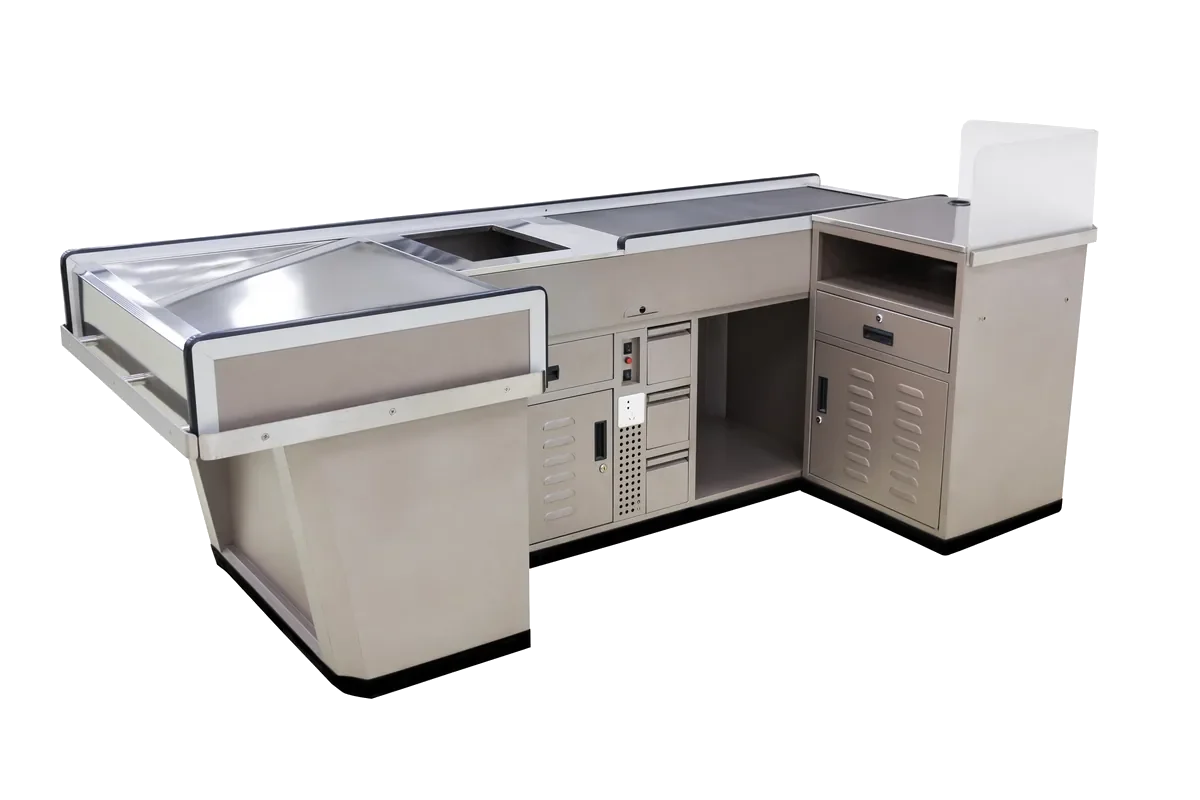
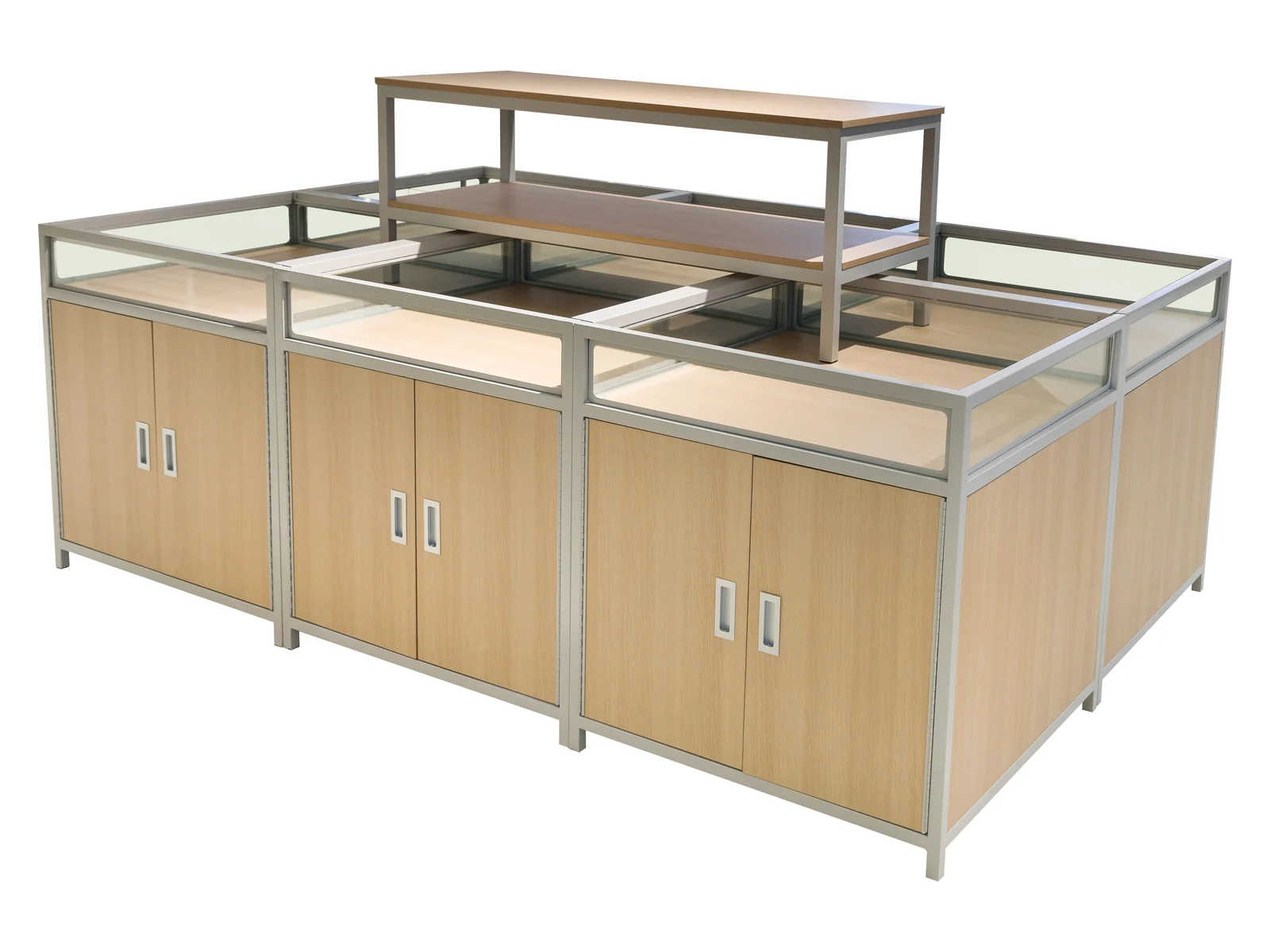
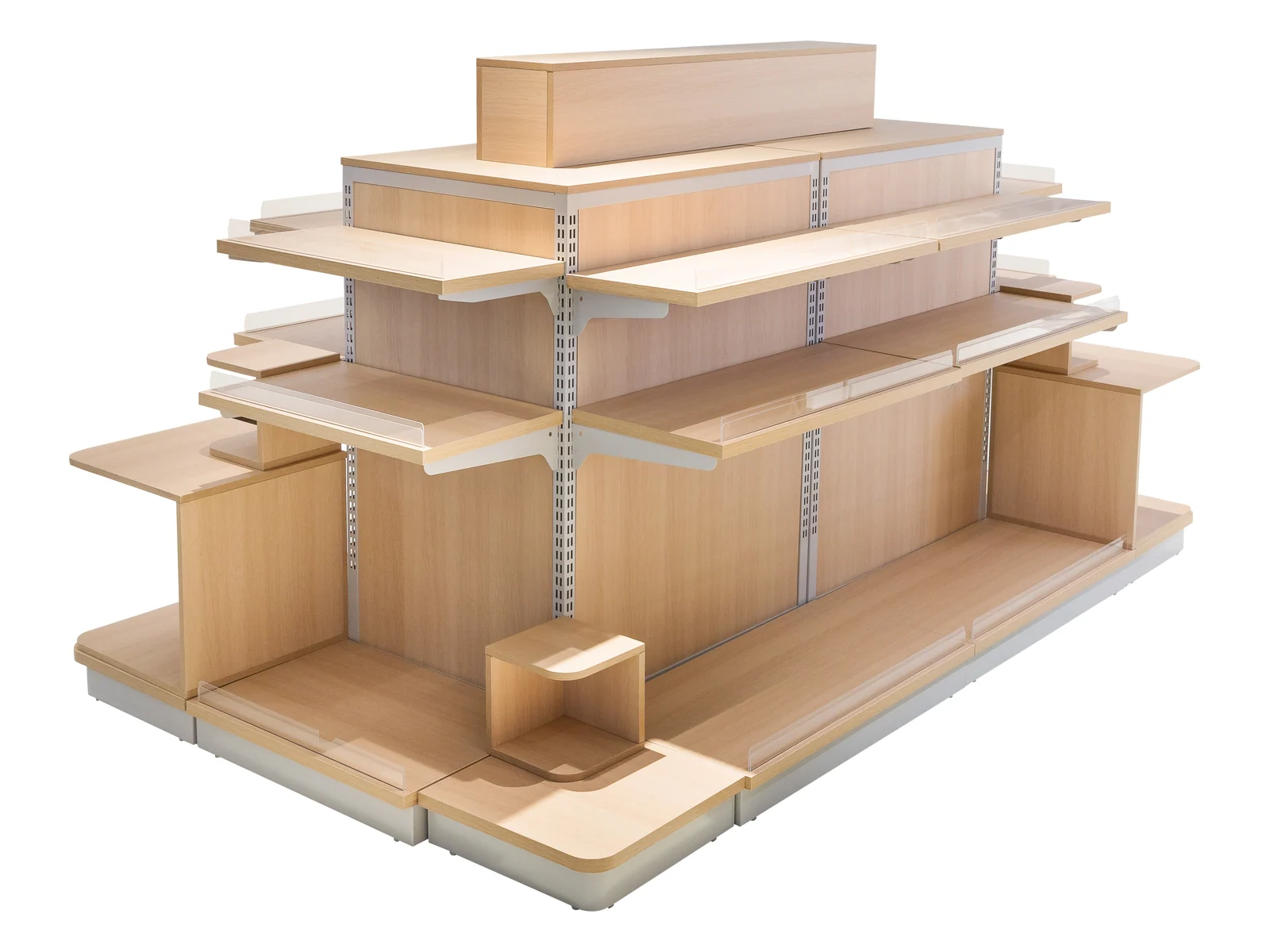
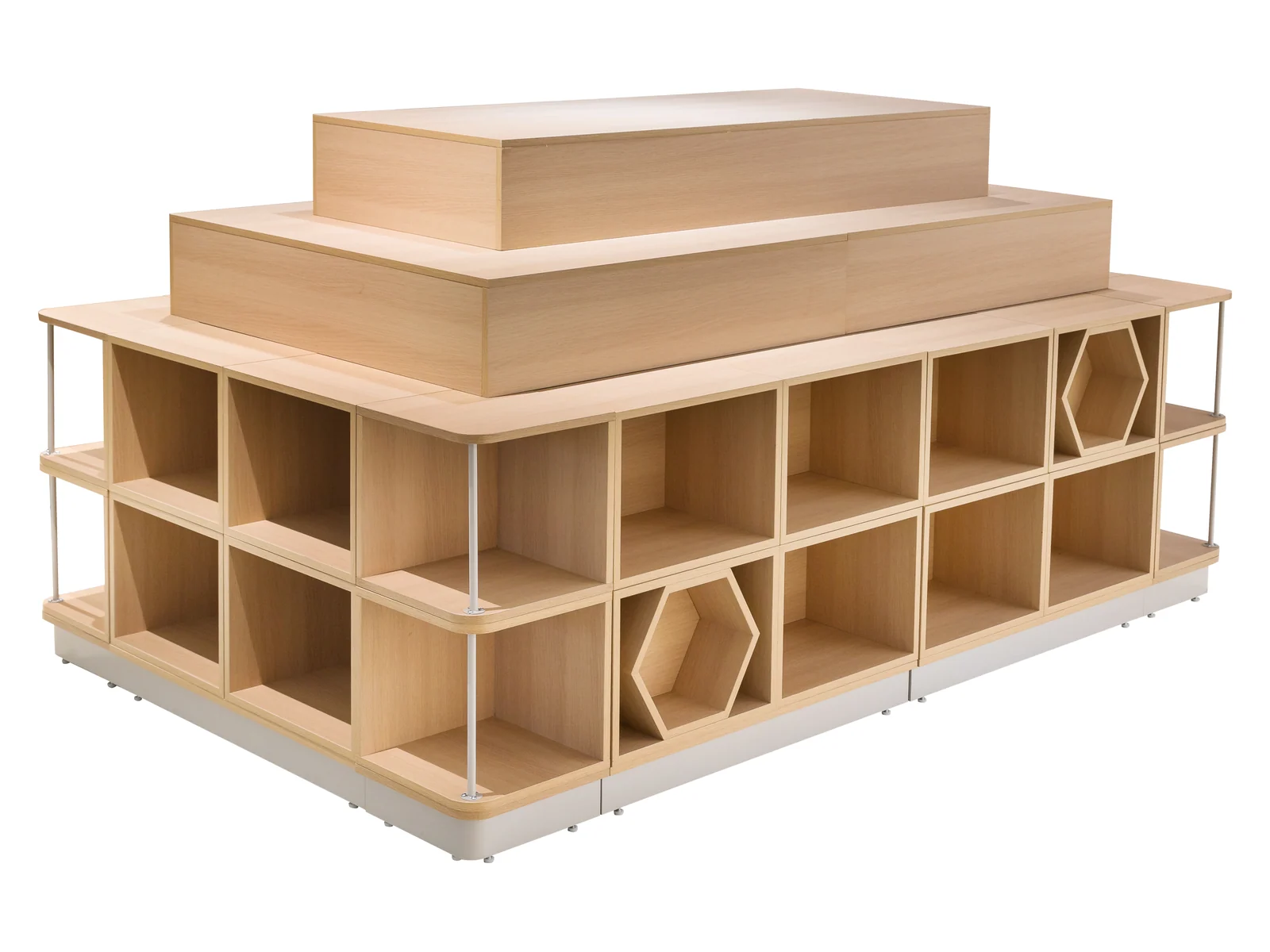
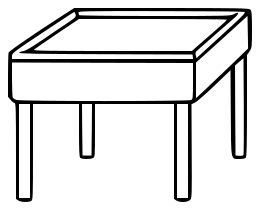
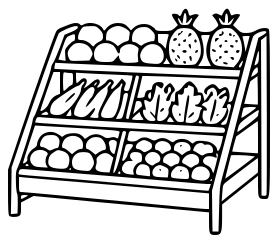
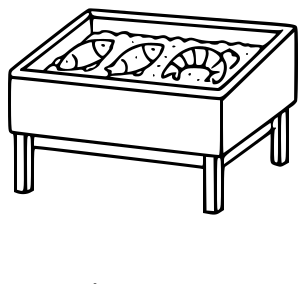
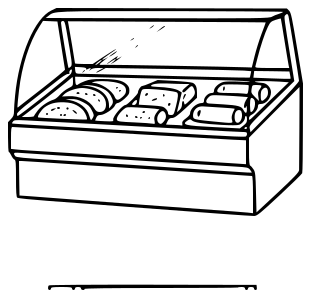
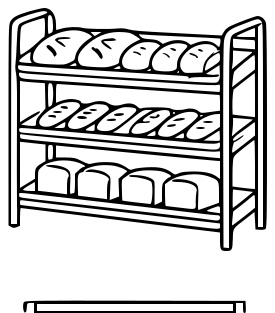
Studio angles on white. A riser, a table, a step and the frame are photographed below.
Most promotional fixtures are bought for one layout and then used in that layout for five years. This is a set rather than a single object: tables at two heights, hexagonal risers, and low steps that can be grouped, split, stacked or spread out. The same components make a Christmas block, a summer table run and a clearance corner.
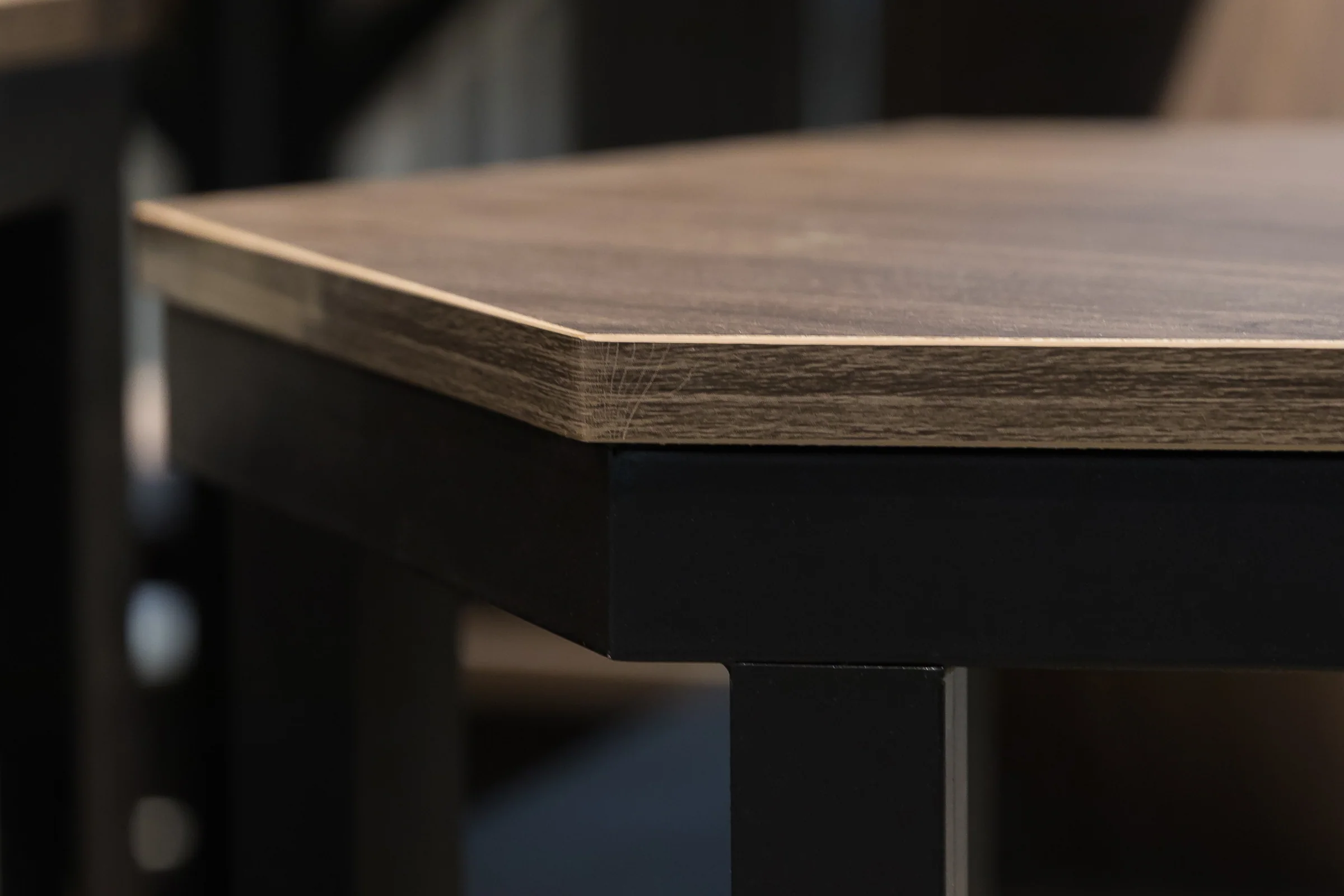
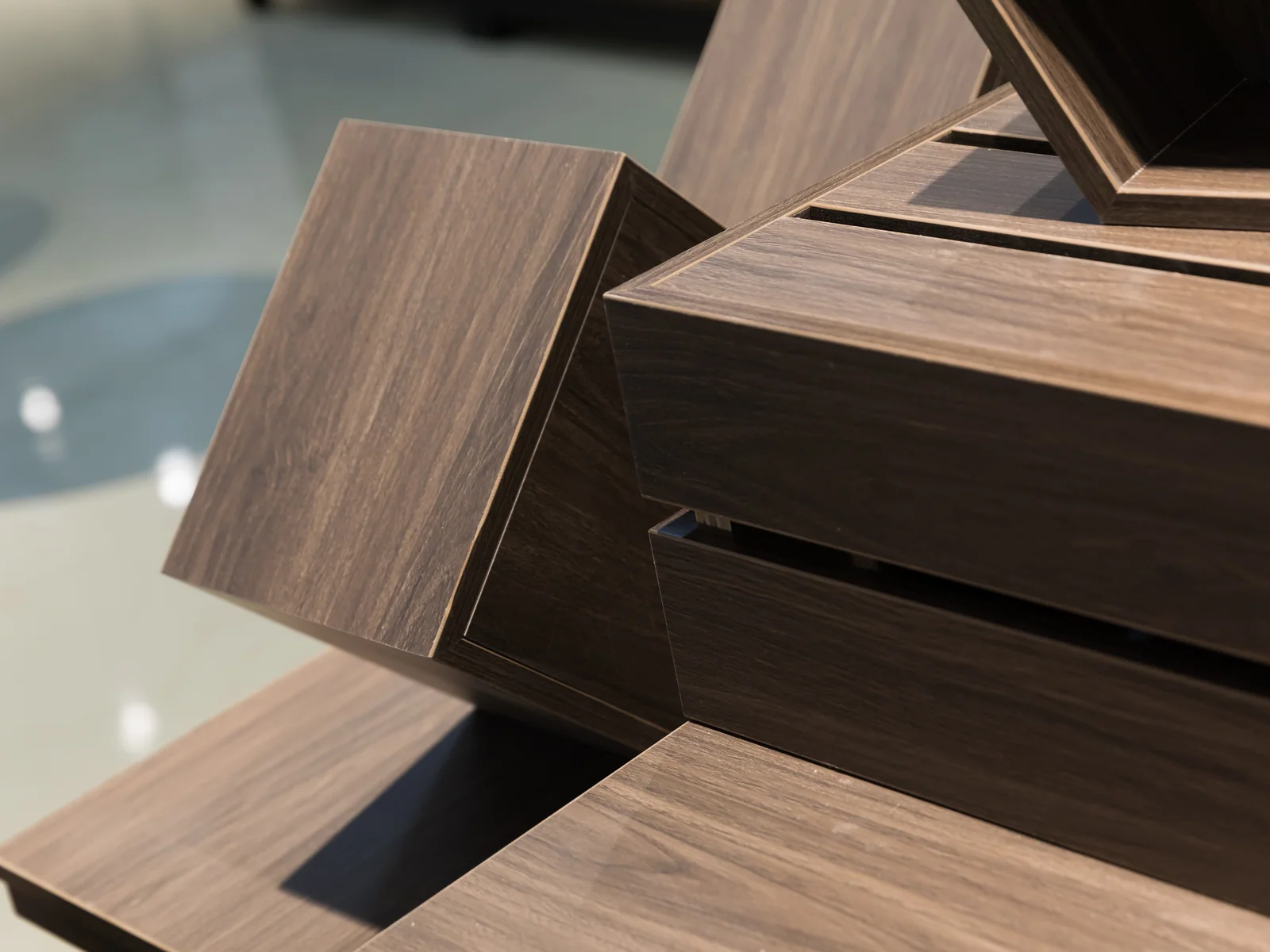
Everything in the set is built off the recorded 1000 × 1000 × 800 mm square or fractions of it, which is what makes the pieces sit together without gaps in any arrangement. It is dark timber on black steel throughout, so no matter how the set is rearranged it still reads as one family.
Not one fixture but a set: tables, hexagonal risers and low steps that a store arranges into a different scene each season without buying anything new.
Supermarkets, convenience stores, chain retail and speciality stores. Tell us the store format and the floor area and the specification comes back written against them.
A set is only as good as its consistency across pieces, so these four are one of each component.
Sits on any table
The risers sit on any table in the set at any height. It is the piece that turns a flat arrangement into a scene, and it is the one stores end up wanting more of.
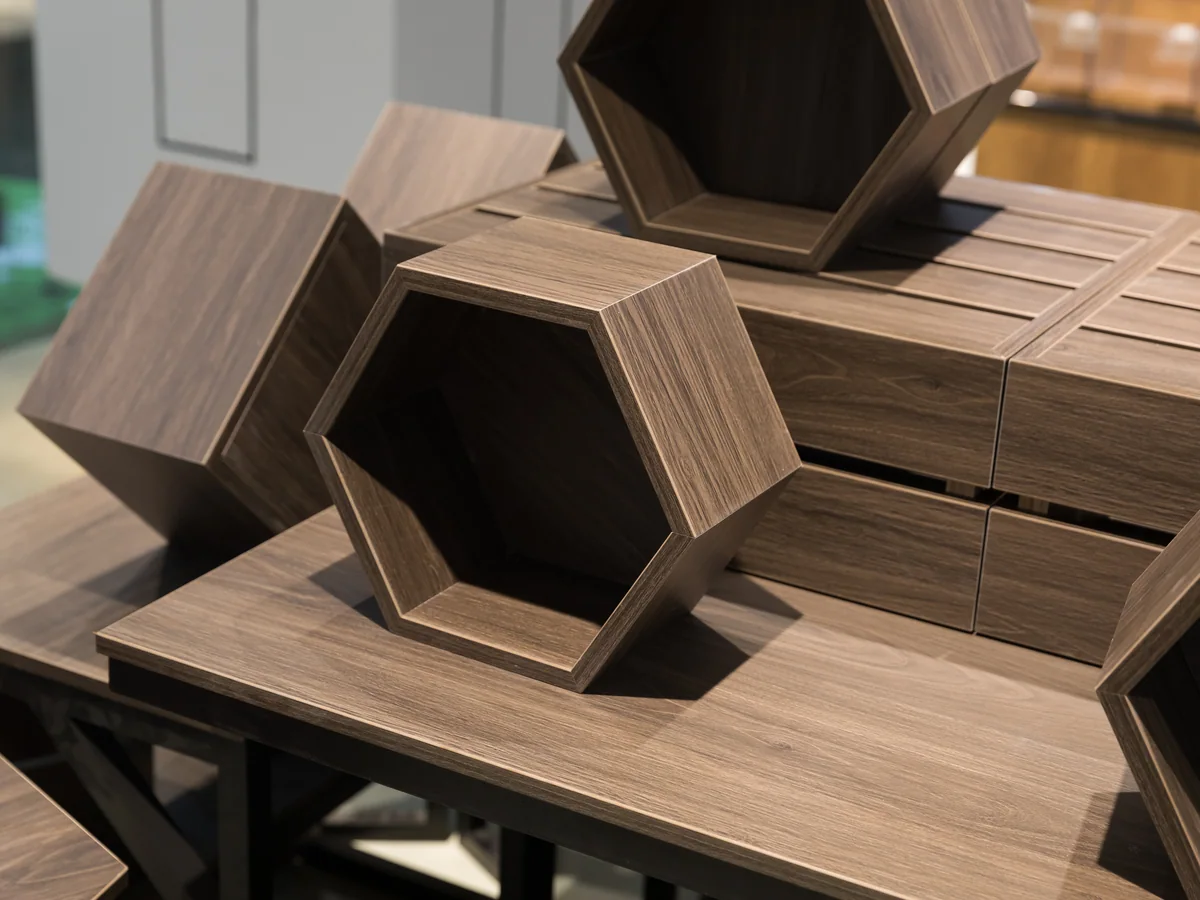
Two heights available
Tables come at two heights so an arrangement has a front and a back. Everything in the set is dimensioned off the same square, which is why they group without gaps.
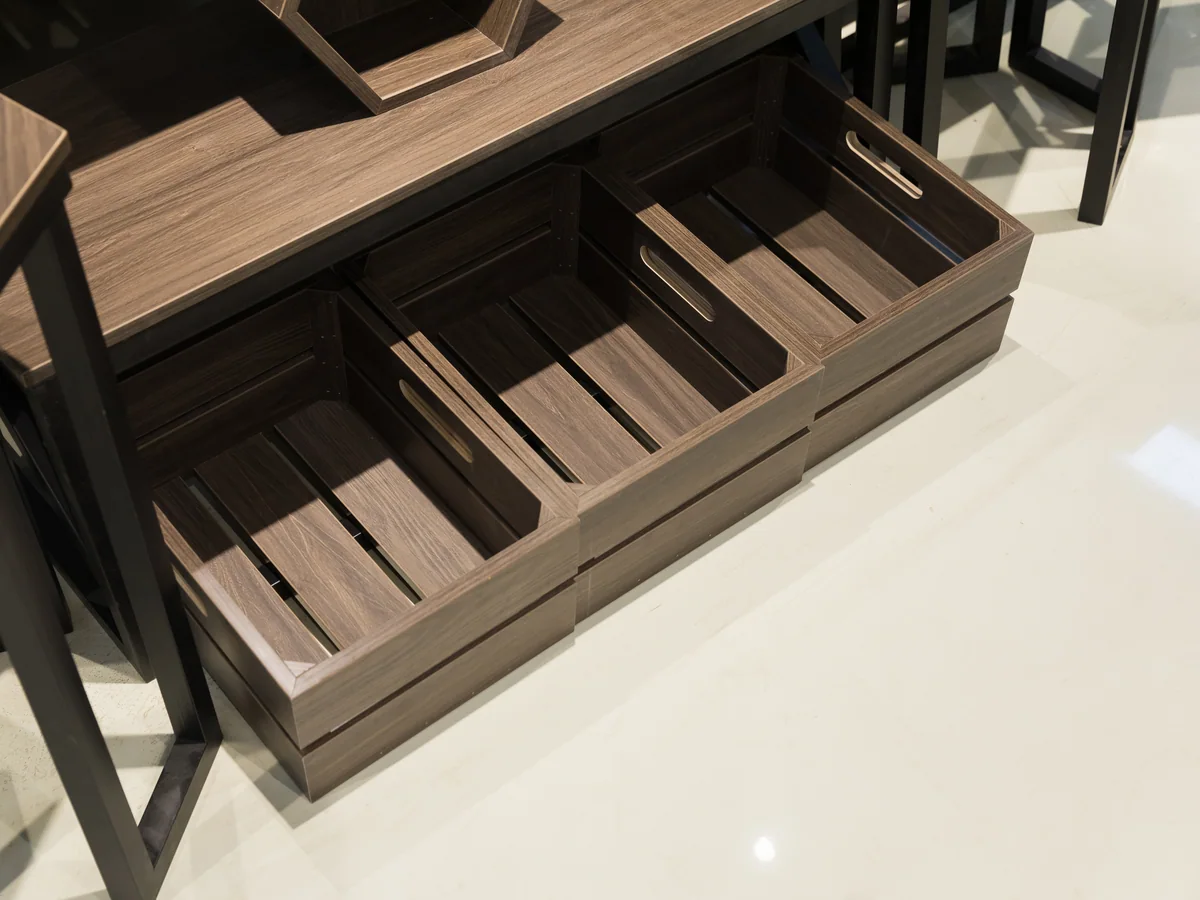
Fills between heights
The steps bridge between the two table heights and fill the gap at the front of an arrangement. Without them a two-height set reads as two separate displays pushed together.
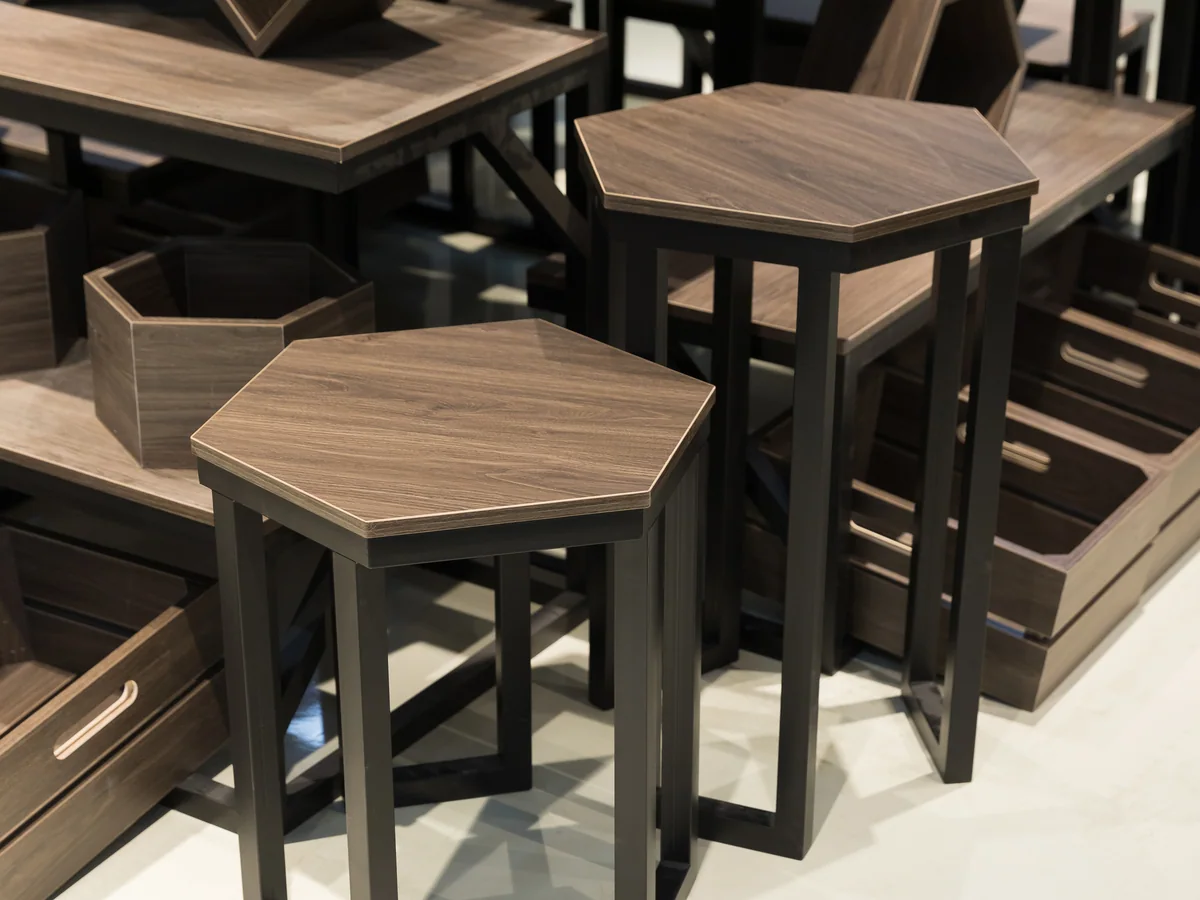
Same across every piece
Every piece uses the same frame section and the same finish. That consistency is what lets a store rearrange the set completely and still have it look deliberate.
Every item on this page is made to order. Send a floor plan, a hand sketch or a photograph of a fixture you like, and we quote against it.
Store fixtures are light for their size, so a container fills up on volume long before it fills up on weight. What decides your freight is not what one unit weighs — it is what shape the goods are in when they go through the container door. Everything we build leaves in one of three shapes.
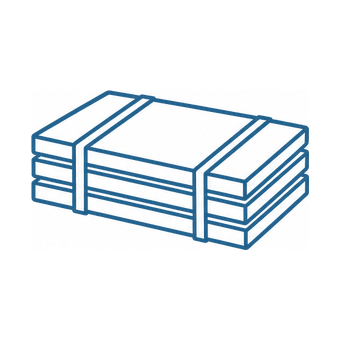
Shelving bays, produce islands and bulk cabinets travel as panels — uprights, shelves, back panels and plinths, strapped flat with bubble wrap on every component. They are built up on the shop floor, so the packing list and the assembly drawings travel with the goods.
This model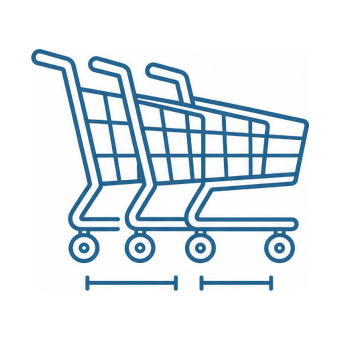
Trolleys slide into one another and baskets stack. Past the first unit, each extra one adds only its nesting pitch instead of its full length, so the shipped volume ends up a fraction of what the unit count suggests.

A checkout lane is welded, coated and fitted out as one piece, so it is crated whole with padding on the steel. Nothing waits to be assembled at the store beyond levelling it into the lane, and the crate is the counter plus a margin.
Promotional stands flat pack as panels and shelves. Two promotion tables are on record and both are exactly 1000 × 1000 × 800 mm — KS-T-02 and KS-T-06 — which is not a coincidence: a 1000 mm square is the module that tiles into a 2000 mm run or a block of four without leaving a gap. That square is what a loading plan is worked from.
A promotion square is never the whole story — it is the punctuation between the fixtures that hold the range.
A promotion square almost always terminates a shelving run, so the two carry one colour reference.
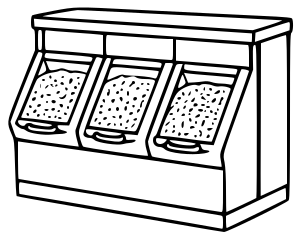
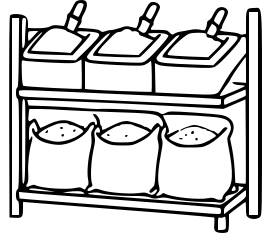
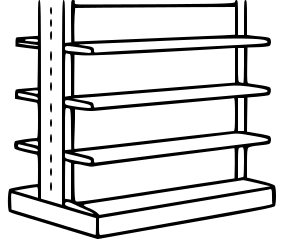
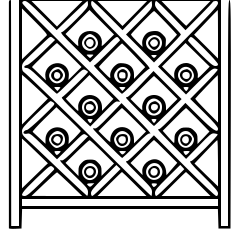
See shelving baysLoose lines are promoted constantly, and a square at the aisle head is the cheapest way to push one.
See bulk food binsThe queue side of a lane is the highest impulse position in the store, and a promotion square is what fills it.
See checkout countersHow many of each a store needs is a floor area question rather than a product question, and it is answered store by store on the supermarket layout design page.
Tell us how your promotions change through the year and we will spec the set.
Tell us how your promotional layouts change through the year — seasonal blocks, aisle-head runs, clearance corners. That tells us how many of each piece the set needs.
The four that come up on nearly every enquiry for this build. If yours is not here, send it with your layout and it is answered alongside the quotation.
It is specified against how you merchandise rather than sold as a fixed bundle. Tell us how your promotions change through the year and we will propose a contents list with the quotation.
Yes, and that is a real advantage of building everything off one module — a piece ordered two years later still sits with the original set without a gap. The colour reference is held, so it also still matches.
Only if the pieces are light enough to move without a trolley, which is why they are built as separate units rather than as one large fixture. If nobody in your store will ever move them, a single large island is cheaper and better.
Yes, throughout — the important thing is that it is consistent across every piece, because the set only holds together visually if the finish does.