

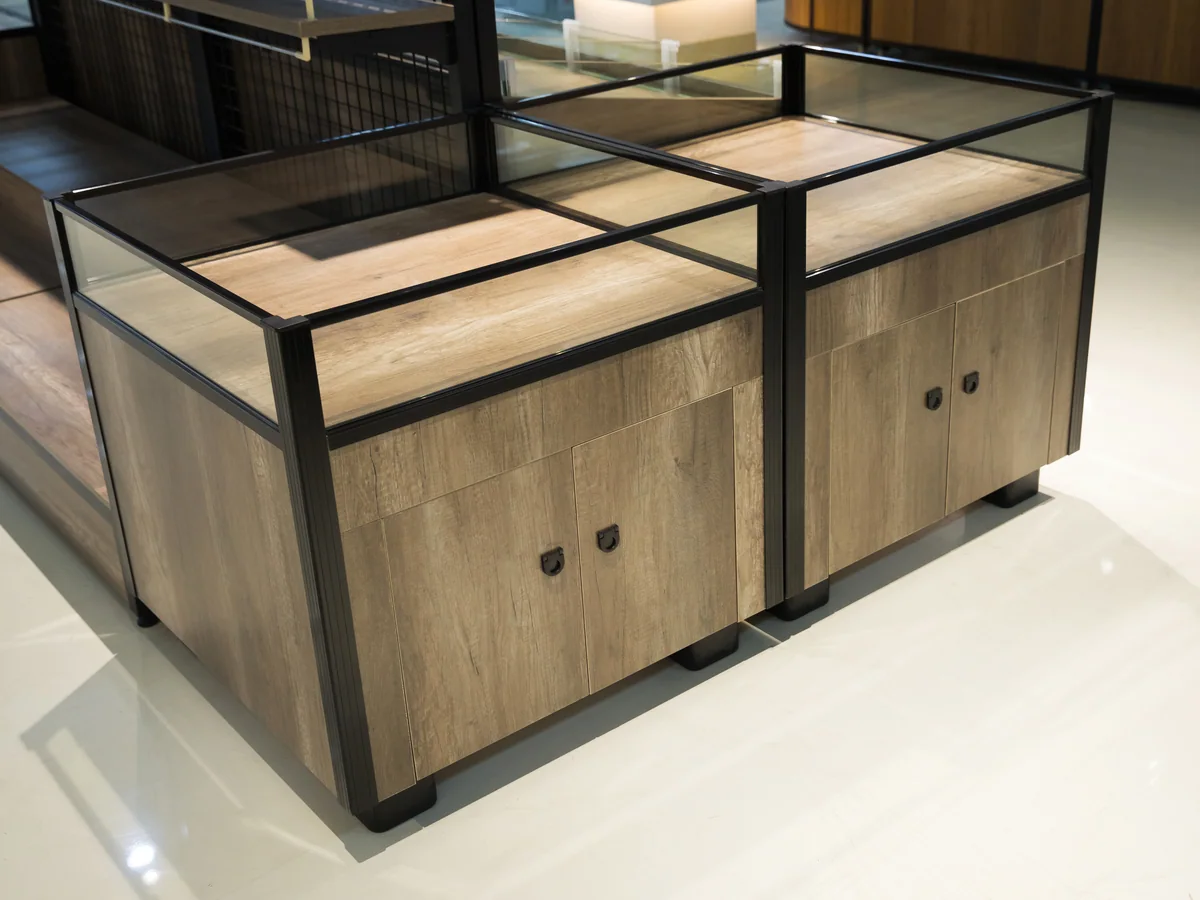
Open Scoop Bin
Shopper scoops directly
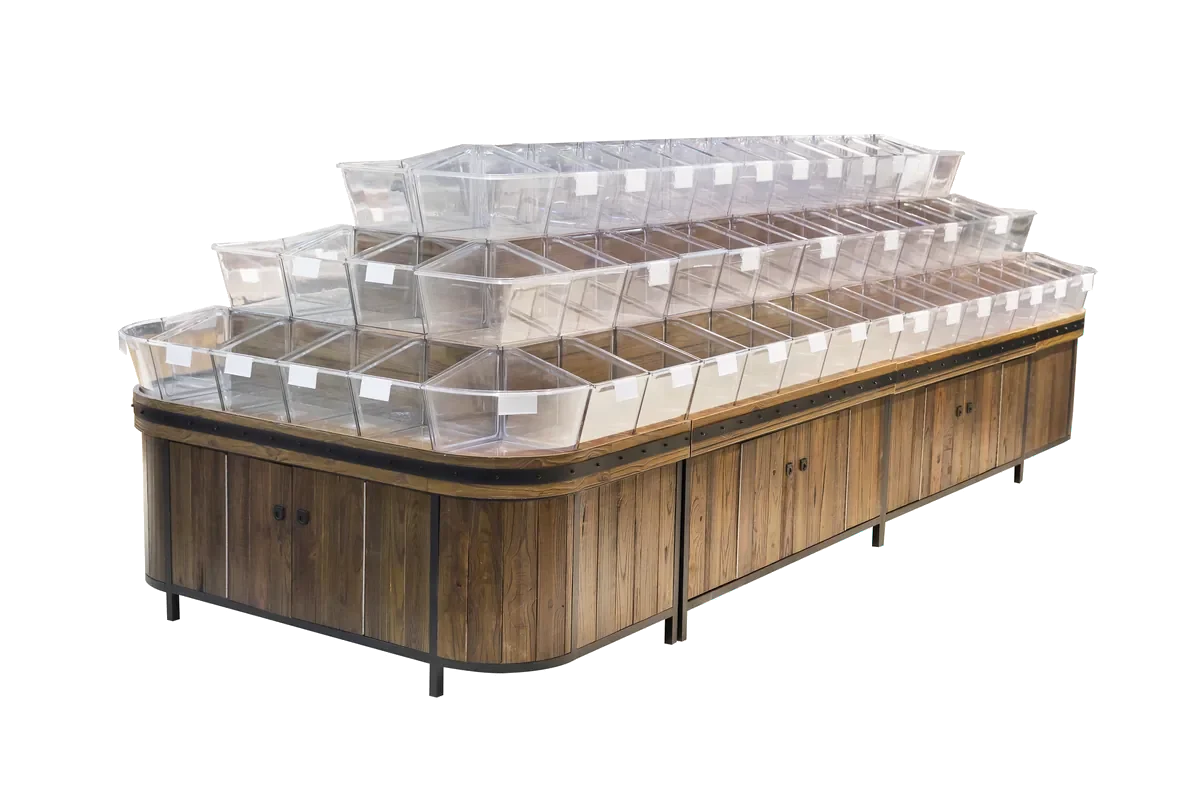
The bin is open at the top so a shopper scoops straight from it. Everything about the build follows from that: the wear, the hygiene rule and the refill routine are all consequences of an open bin.
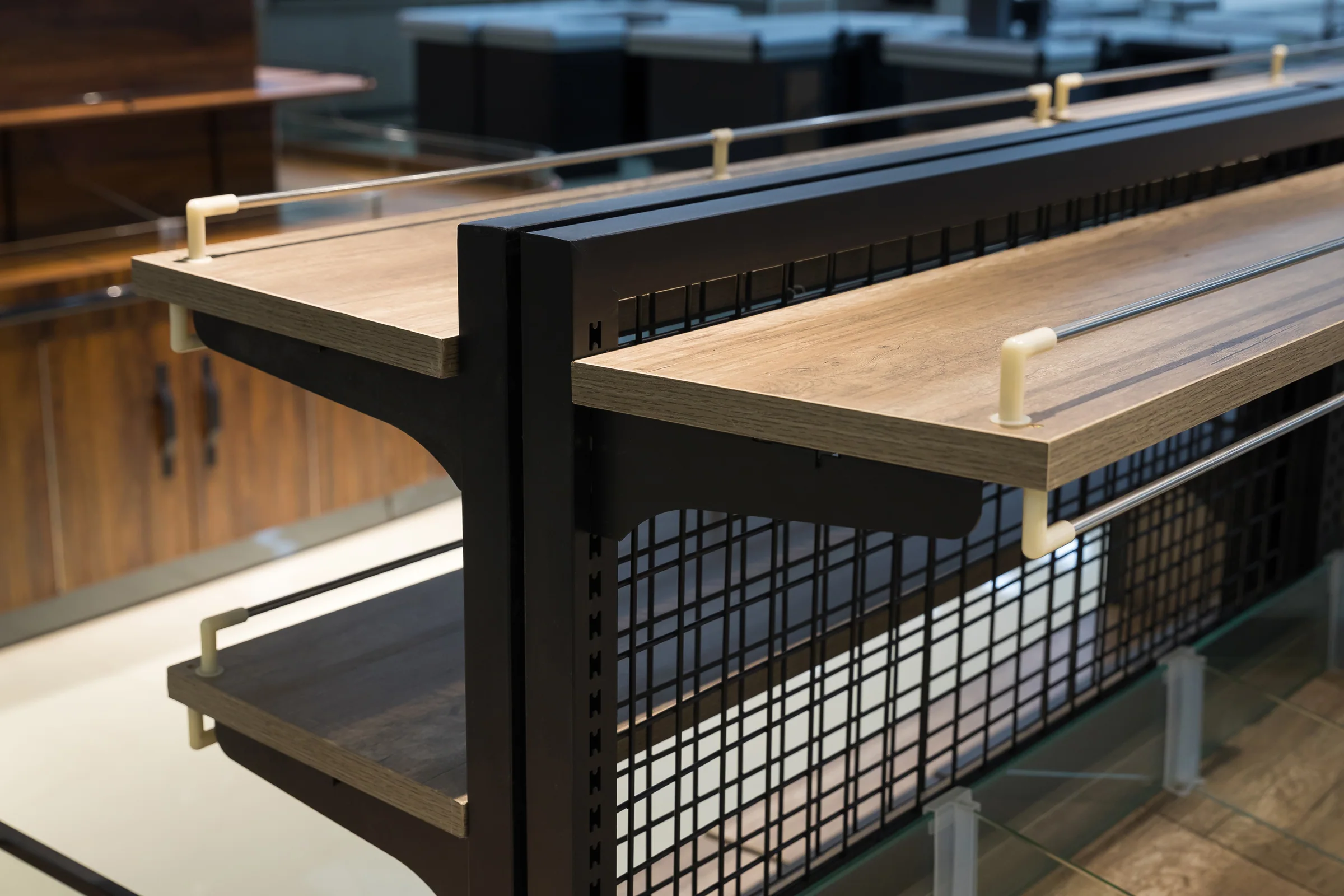
Open scoop bins · glass sides · stainless contact
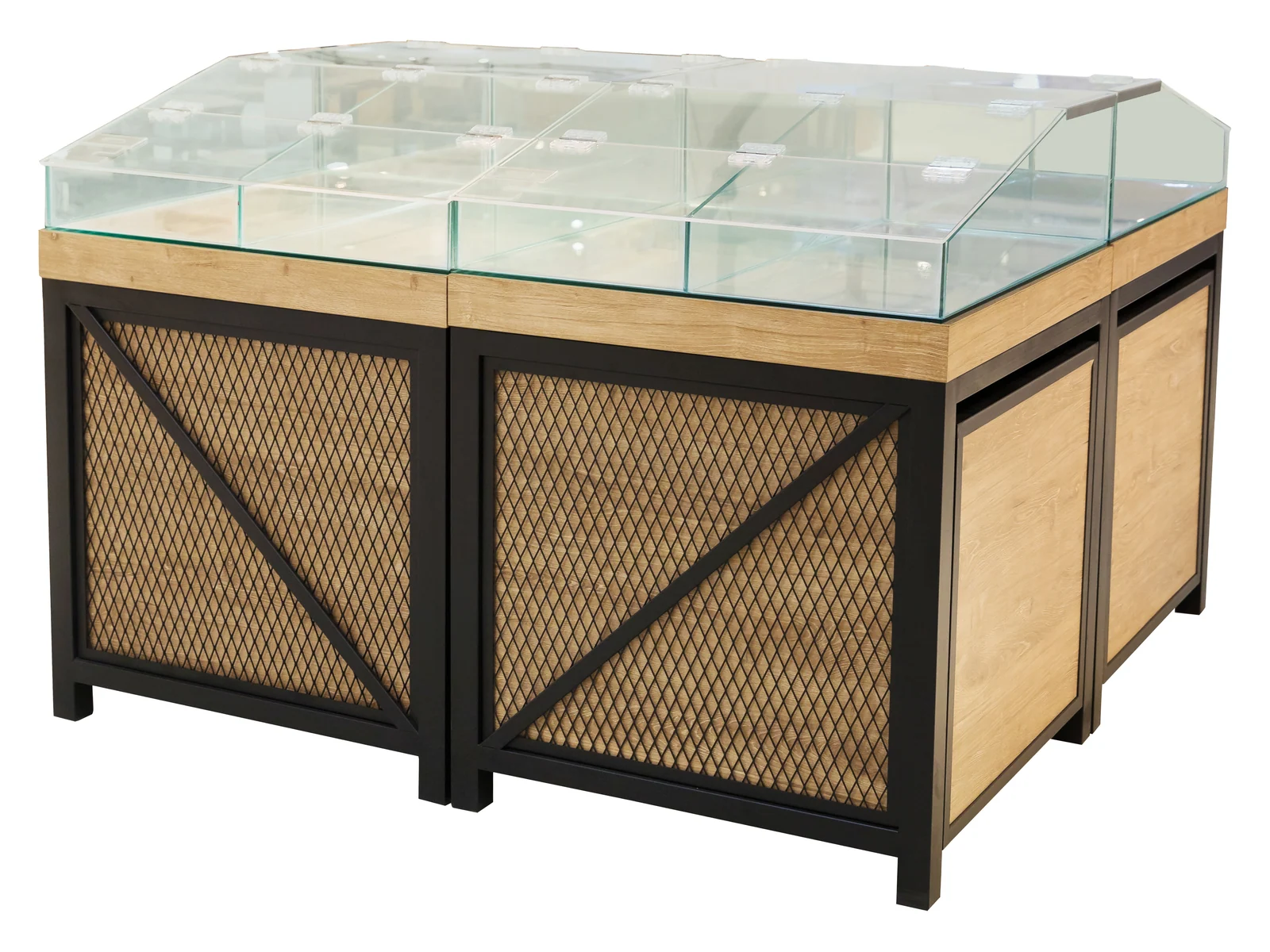
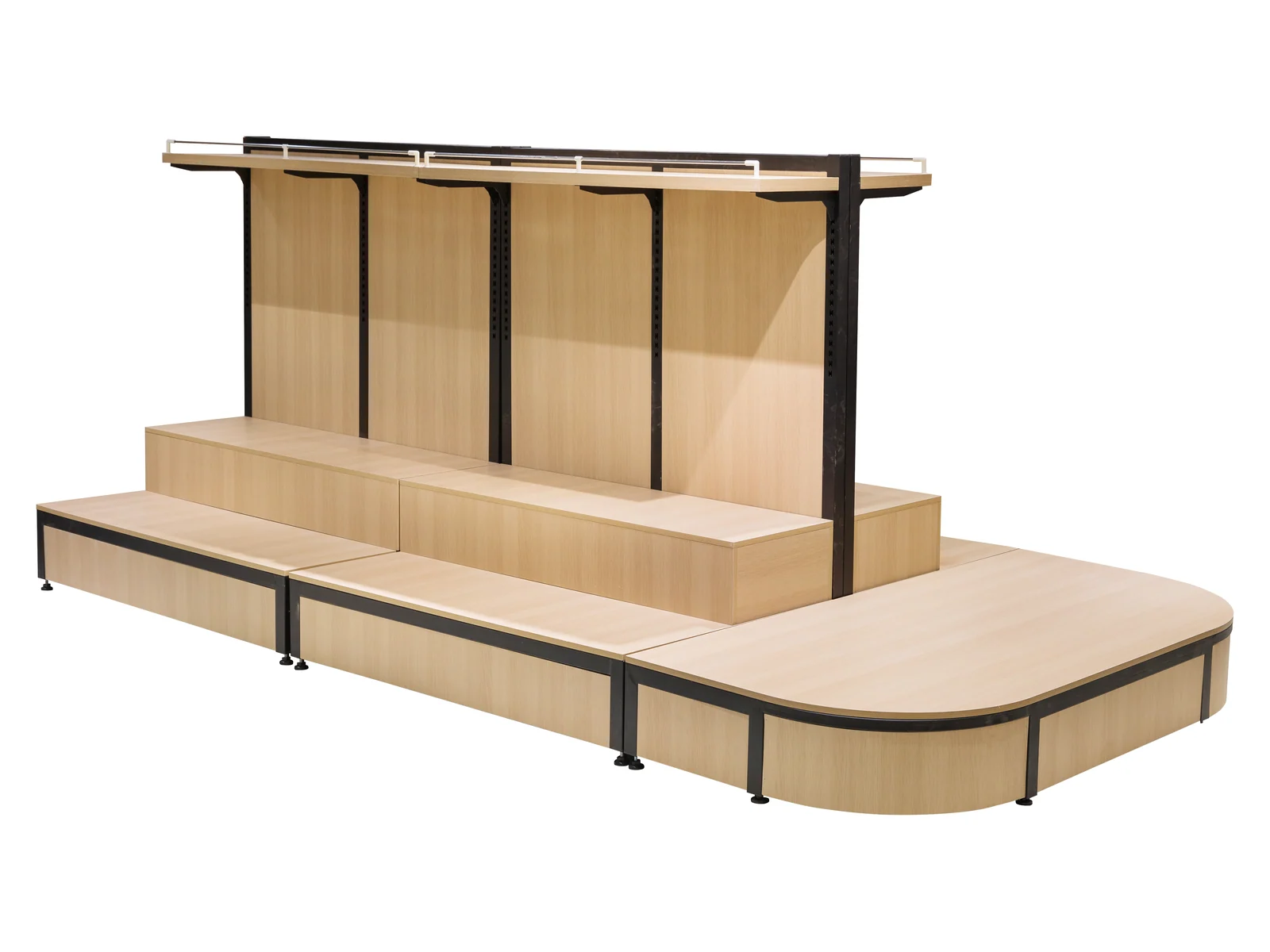
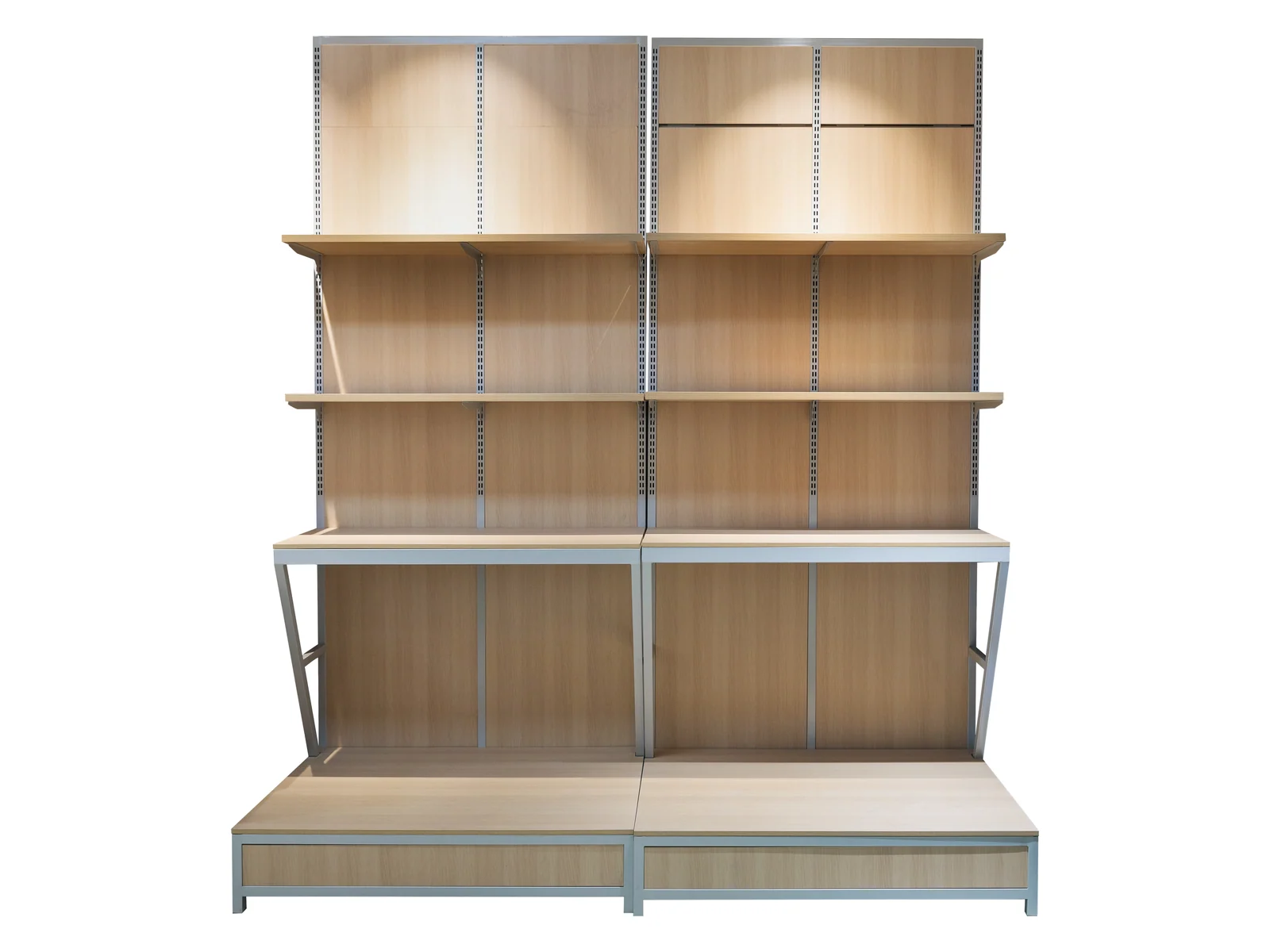
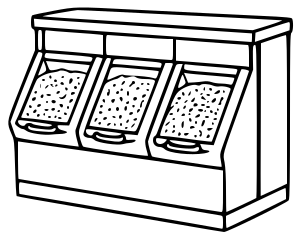
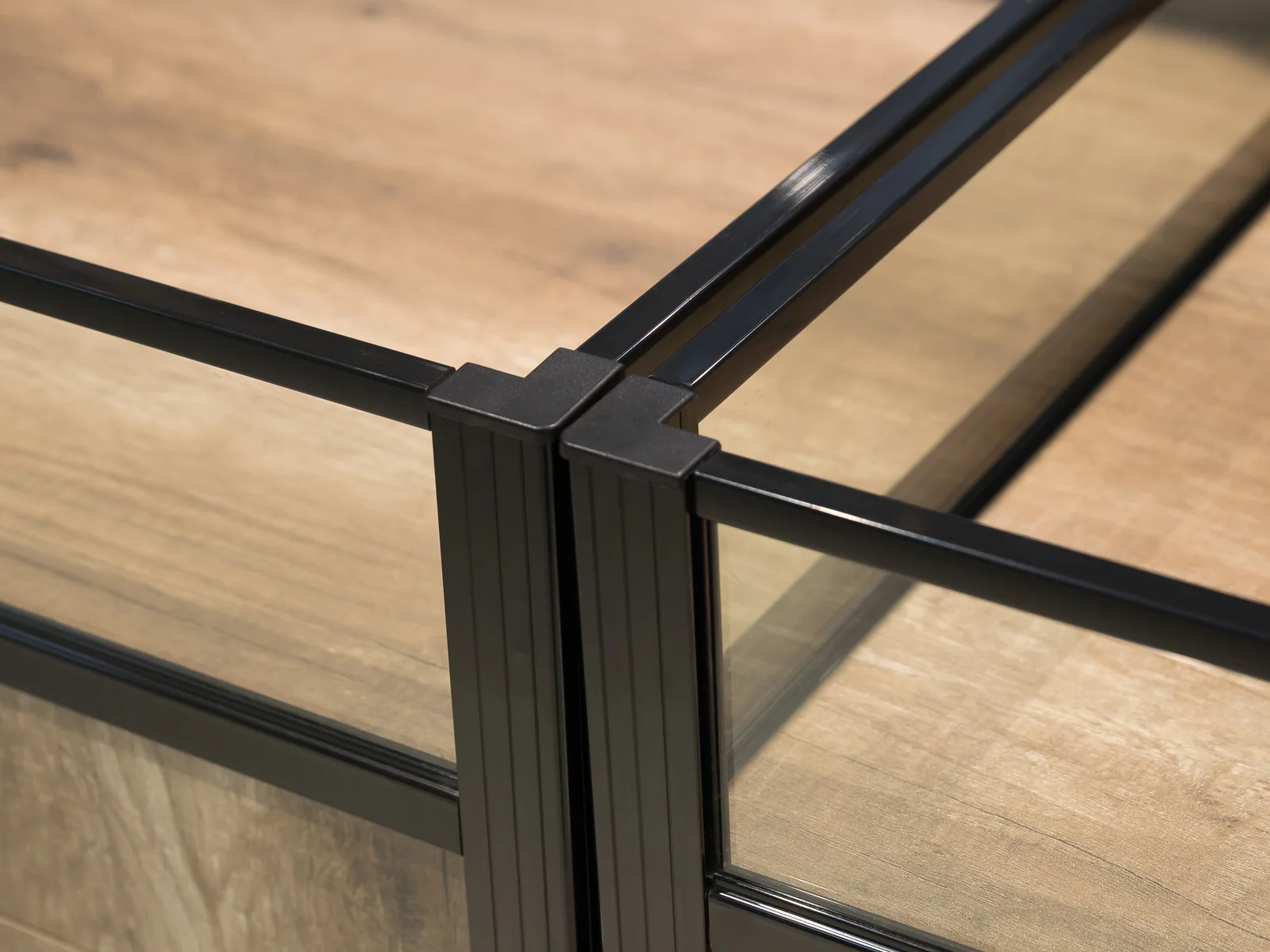
A low island with open bins a shopper scoops directly from, glazed on the sides so the grain is visible in depth rather than only from above.
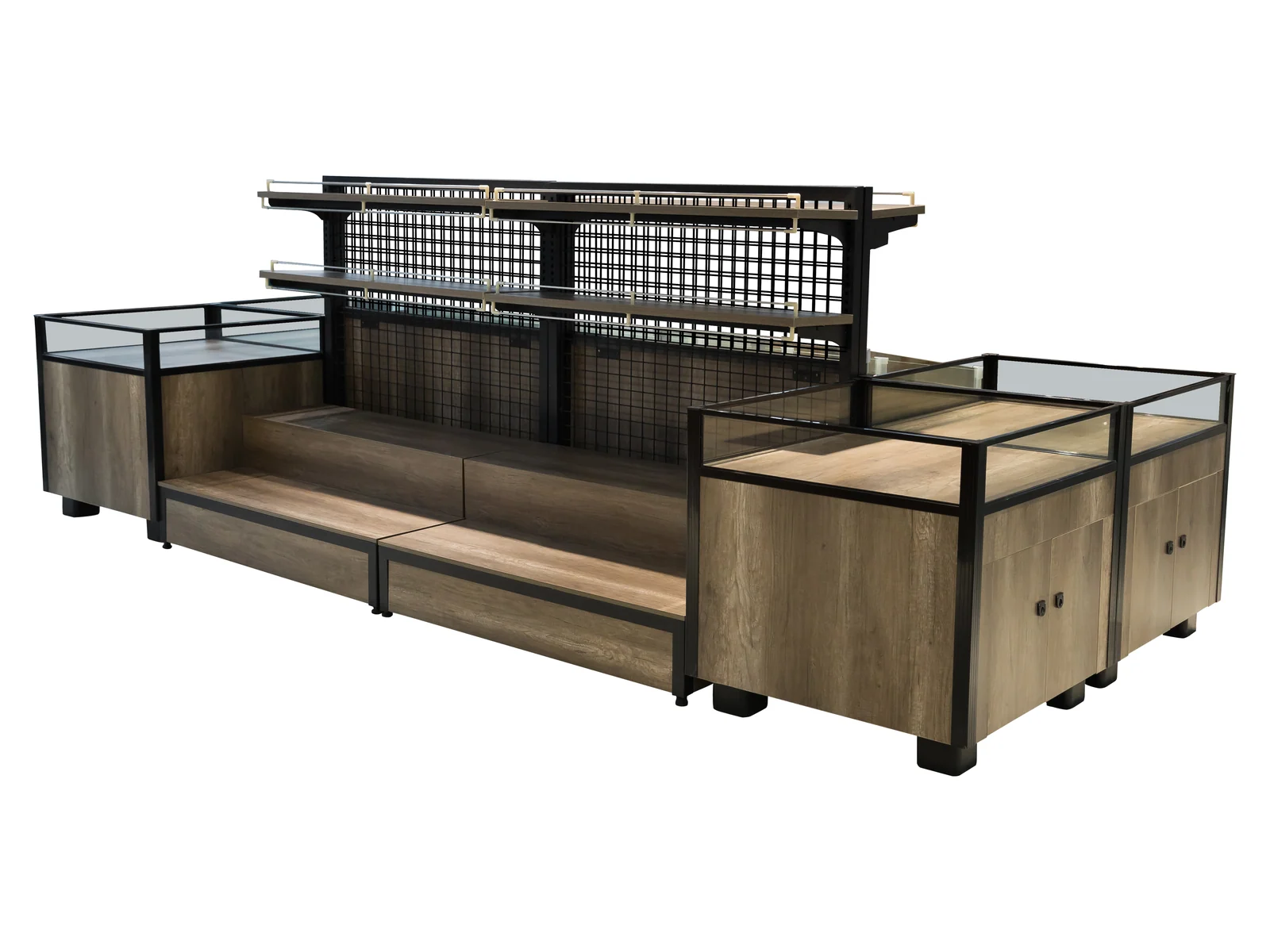
Studio angles on white. The bin, the glass side, the stainless edge and the base are photographed below.
An open grain bin has one problem: from a standing position you see the top of the grain and nothing else, so a bin that is a third full looks the same as one that is nearly empty. Glazing the sides fixes it. The shopper reads the depth, the staff read the refill level from across the aisle, and the fixture stops looking neglected at four in the afternoon.
Everywhere a scoop lands is stainless steel board, which is not a styling decision. Loose grain is abrasive and it is handled with a metal scoop dozens of times a day, and a board surface in that position wears through inside a season. Our records hold two grain builds, Grain Rack-Y01 in metal sheet with stainless board and Grain Rack-Y02 in 1.5 to 2.5 mm board.
A low island with open bins a shopper scoops directly from, glazed on the sides so the grain is visible in depth rather than only from above.
Supermarkets, convenience stores, chain retail and speciality stores. Tell us the store format and the floor area and the specification comes back written against them.
A scooped fixture is judged on the surfaces the scoop touches. Two of these four are exactly that.
Shopper scoops directly
The bin is open at the top so a shopper scoops straight from it. Everything about the build follows from that: the wear, the hygiene rule and the refill routine are all consequences of an open bin.
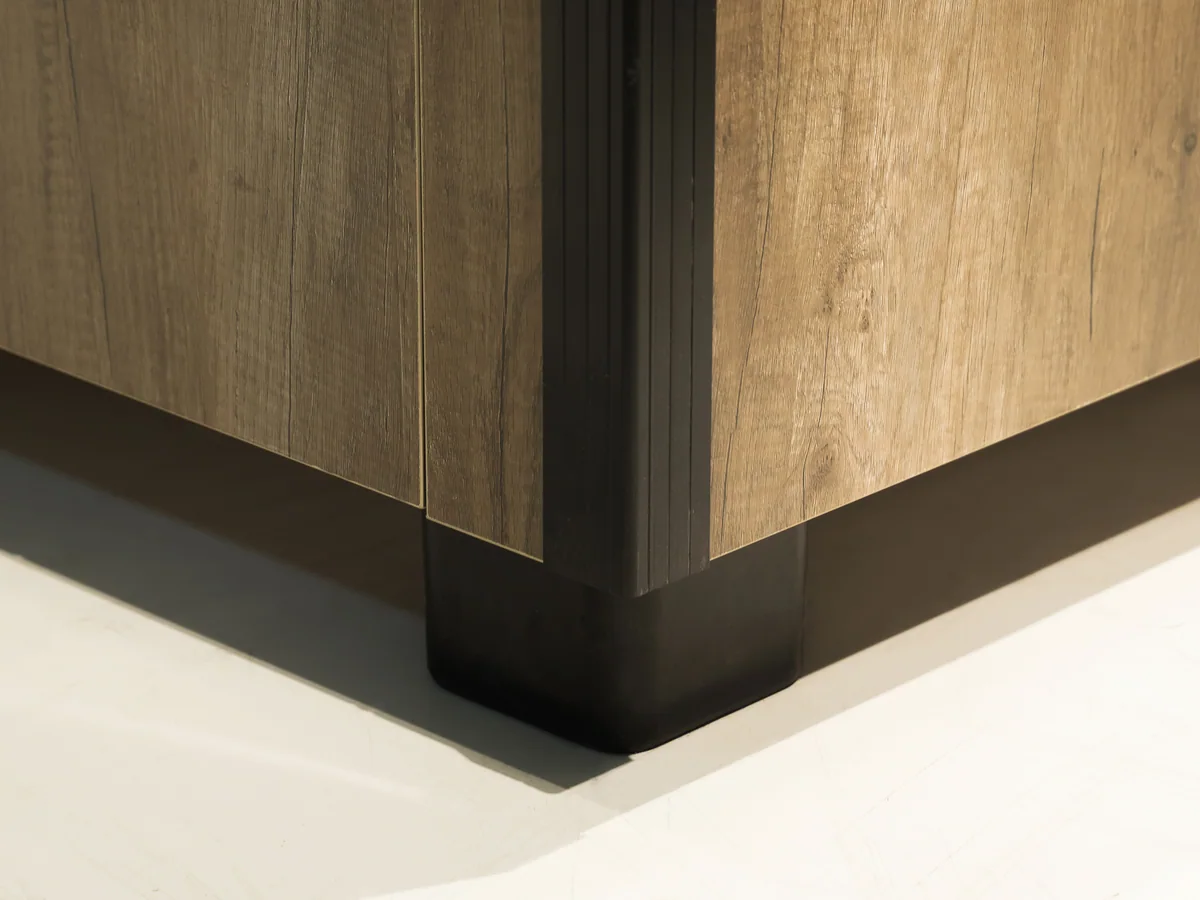
Depth visible
Glass on the side shows how much grain is actually in the bin. A shopper reads the depth and staff read the refill level from down the aisle, which is what stops the fixture looking picked over by mid-afternoon.
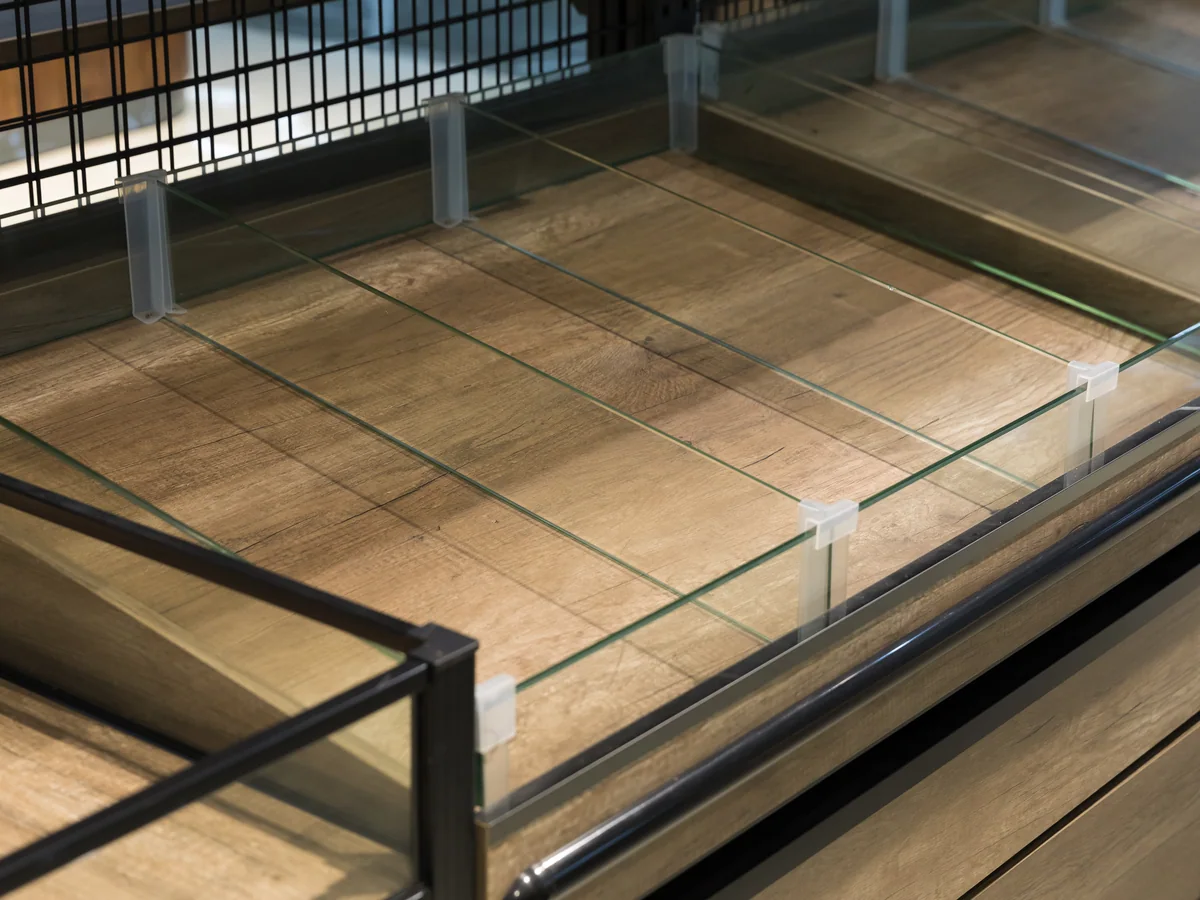
Board at every contact
Stainless steel board runs along every edge a scoop drags across. Grain is abrasive and this is the surface that decides whether the fixture looks new after a year or worn through.
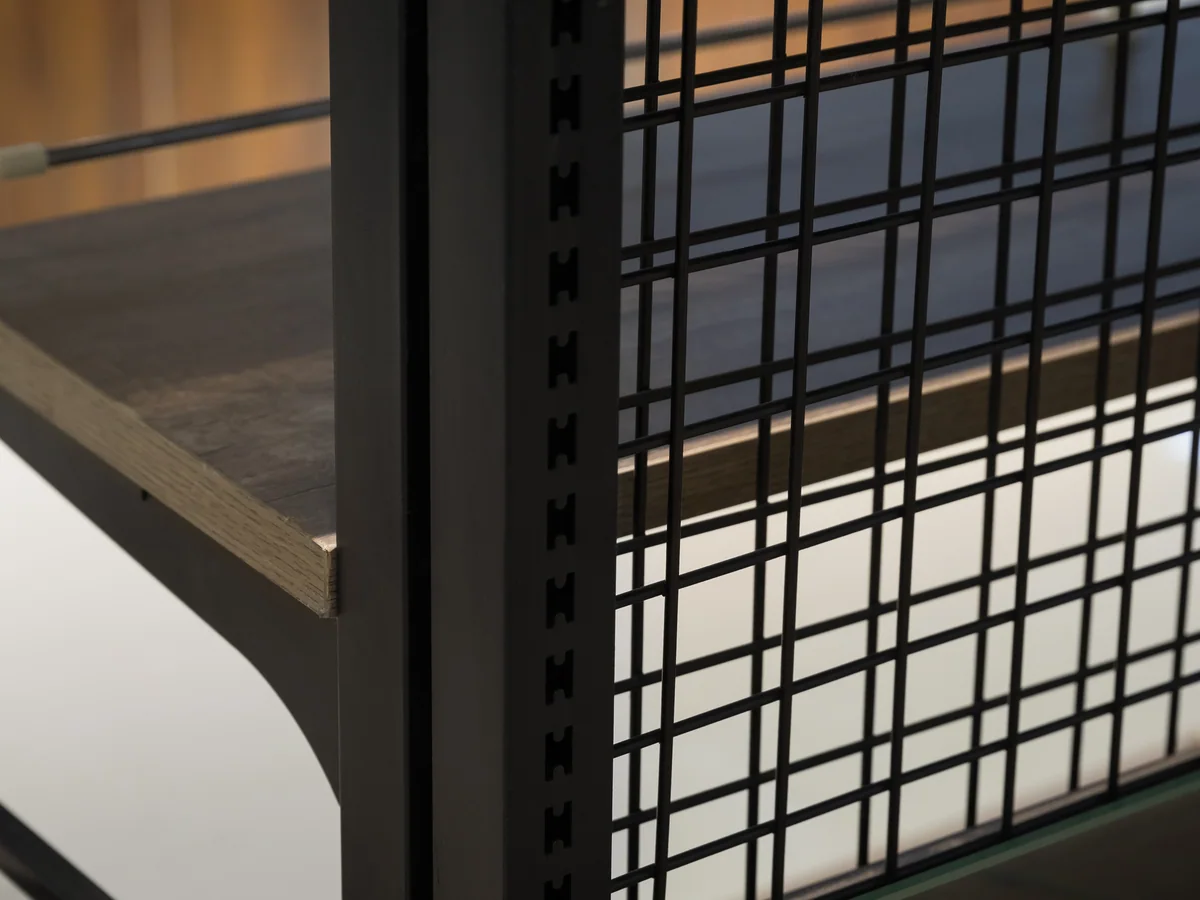
Board over steel frame
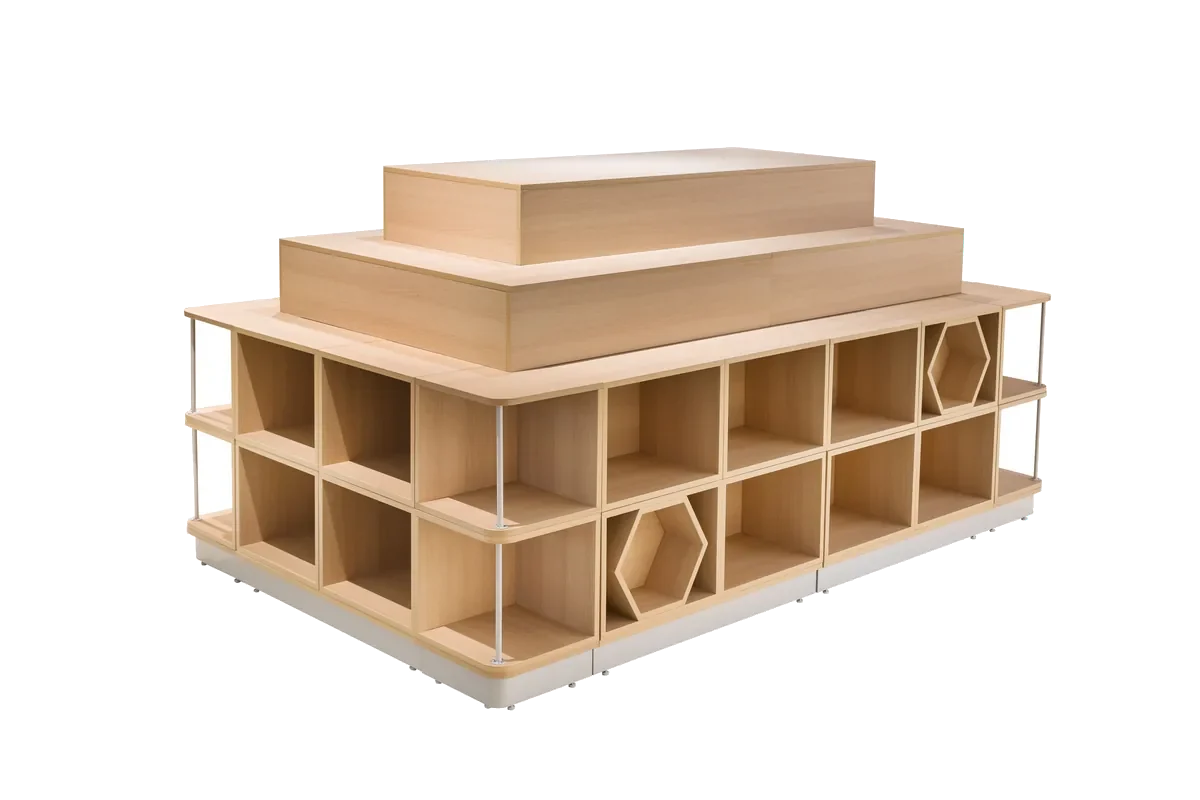
Below the stainless the body is board over a steel frame. The split is deliberate: stainless where the grain and the scoop are, timber where the shopper looks.
Every item on this page is made to order. Send a floor plan, a hand sketch or a photograph of a fixture you like, and we quote against it.
Store fixtures are light for their size, so a container fills up on volume long before it fills up on weight. What decides your freight is not what one unit weighs — it is what shape the goods are in when they go through the container door. Everything we build leaves in one of three shapes.
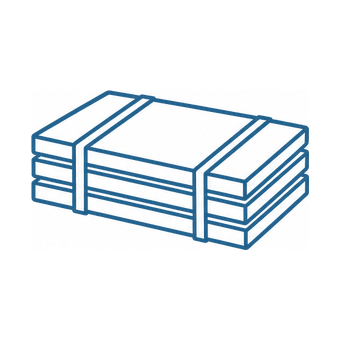
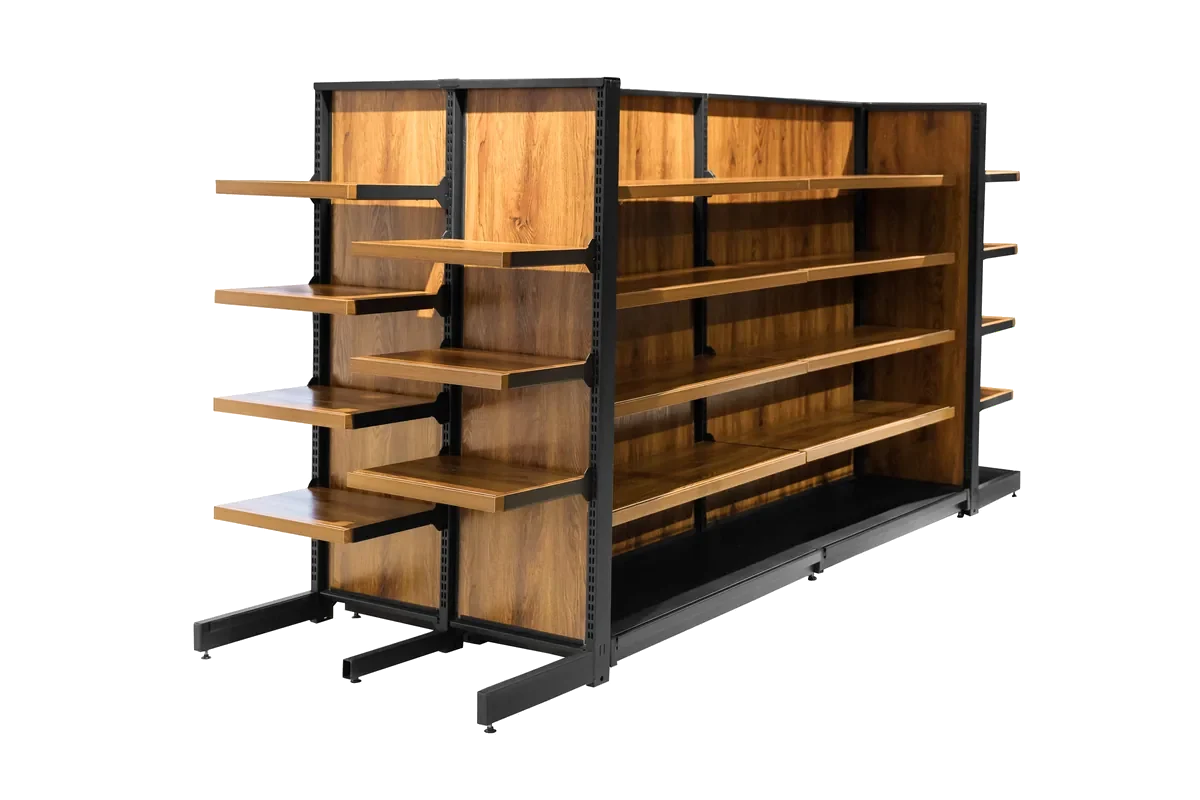
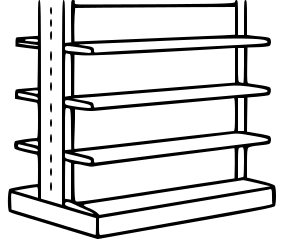
Shelving bays, produce islands and bulk cabinets travel as panels — uprights, shelves, back panels and plinths, strapped flat with bubble wrap on every component. They are built up on the shop floor, so the packing list and the assembly drawings travel with the goods.
This model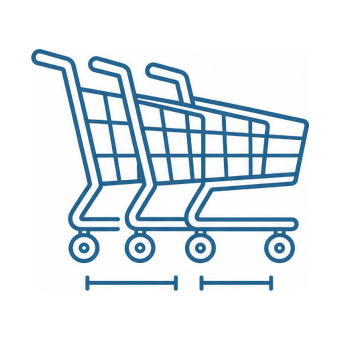
Trolleys slide into one another and baskets stack. Past the first unit, each extra one adds only its nesting pitch instead of its full length, so the shipped volume ends up a fraction of what the unit count suggests.

A checkout lane is welded, coated and fitted out as one piece, so it is crated whole with padding on the steel. Nothing waits to be assembled at the store beyond levelling it into the lane, and the crate is the counter plus a margin.
Grain racks flat pack as panels, bins and lids, so the container arithmetic runs on compartment count rather than on finished size. Two grain builds are on record — Grain Rack-Y01 in metal sheet with stainless board and Grain Rack-Y02 in 1.5 to 2.5 mm board — and neither is sold in a fixed size. The loading plan is worked from your compartment count and confirmed on the packing list.
Loose grain sits in the dry goods aisle and rarely arrives alone. These three share the aisle with it.
Loose grain and loose dry goods are one department to a shopper, and both want stainless wherever a scoop lands.
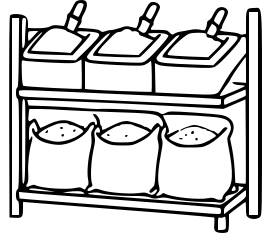
See bulk food binsSacked and packeted grain goes on the bays behind the loose fixture, and both carry the same board tone.
See shelving baysRice and grain are promoted on volume, and a square at the aisle head is where a bulk buy actually gets sold.
See promotional standsHow many of each a store needs is a floor area question rather than a product question, and it is answered store by store on the project page.
Send your line count and your local hygiene rule on loose grain. Both change the build.
Send how many loose lines you carry and what your local food hygiene rule says about open bins. That rule varies between markets more than anything else we build to.
The four that come up on nearly every enquiry for this build. If yours is not here, send it with your layout and it is answered alongside the quotation.
That depends entirely on your local food hygiene rule, and it varies between markets more than anything else we build to. Tell us the market and we will build to it — lids, covers or a fully enclosed bin are all available.
Compartment size follows your range and how fast each line turns, not a standard. Neither recorded grain build is sold in a fixed size. Send your line list and the compartment layout comes back on the drawing.
Because only part of it gets scooped. Stainless goes where the grain and the scoop are; timber goes where the shopper looks. Making the whole fixture stainless costs more and looks colder for no functional gain.
From the top, into the open bin. That is why the glazed side matters — staff can see the level from across the aisle instead of lifting a lid on every bin to check.