

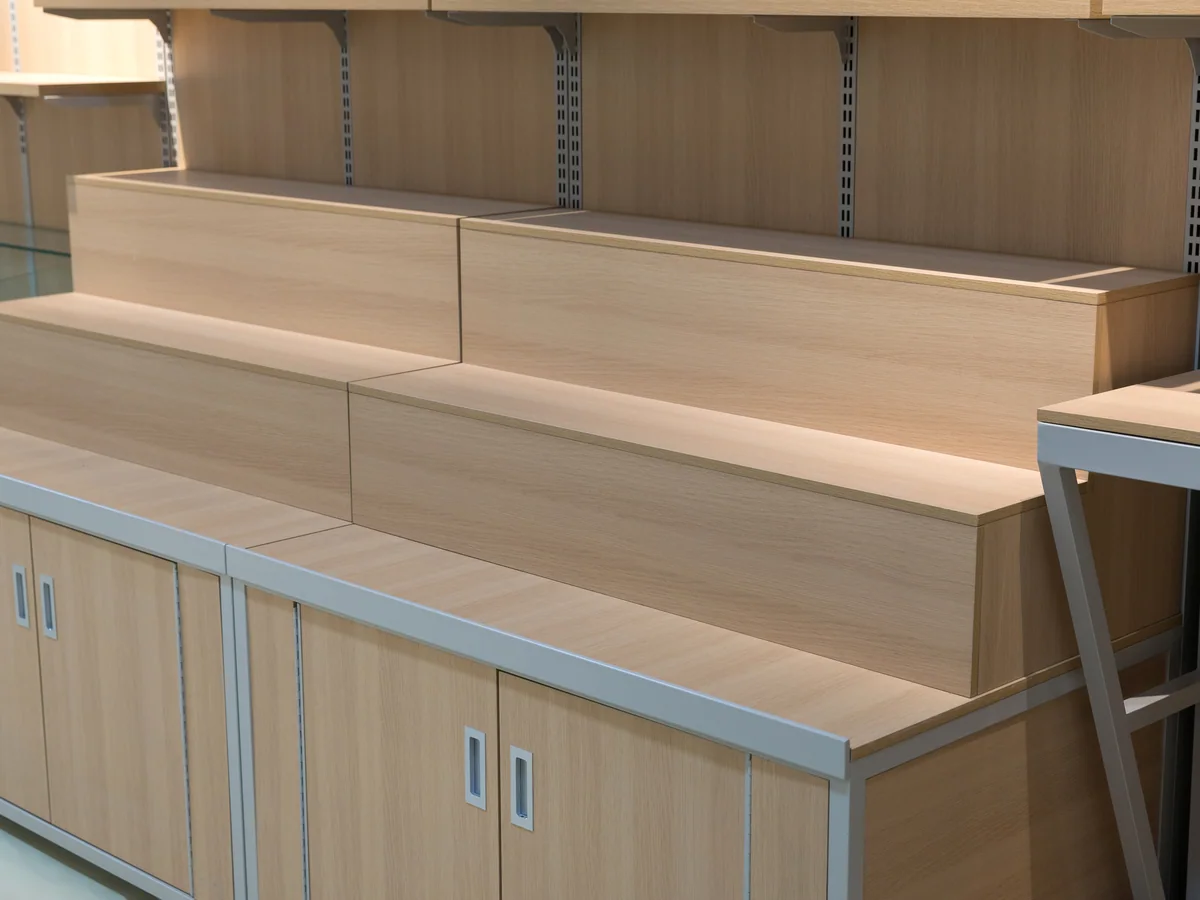
Base Cabinet Doors
Flush, recessed pulls
The doors sit flush with the carcase on recessed pulls. In a narrow aisle a protruding handle is what catches a coat or a trolley, so the whole base run is kept flat.
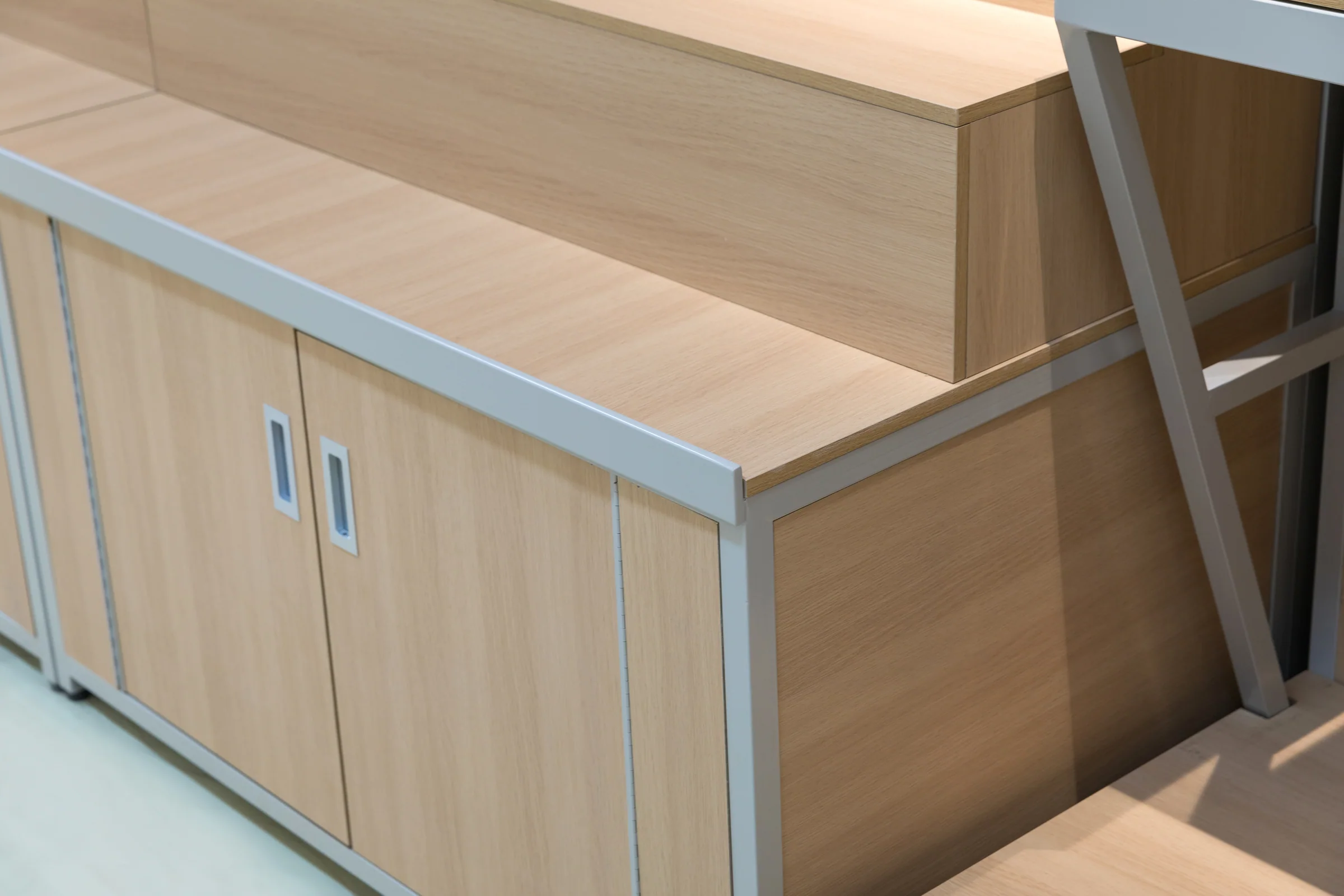
Wall run · closed base cabinets · reserve stock
The closed-base version of the wall run: the same adjustable shelving above, but cabinets underneath instead of an open sack space, for stores whose reserve stock has nowhere else to live.
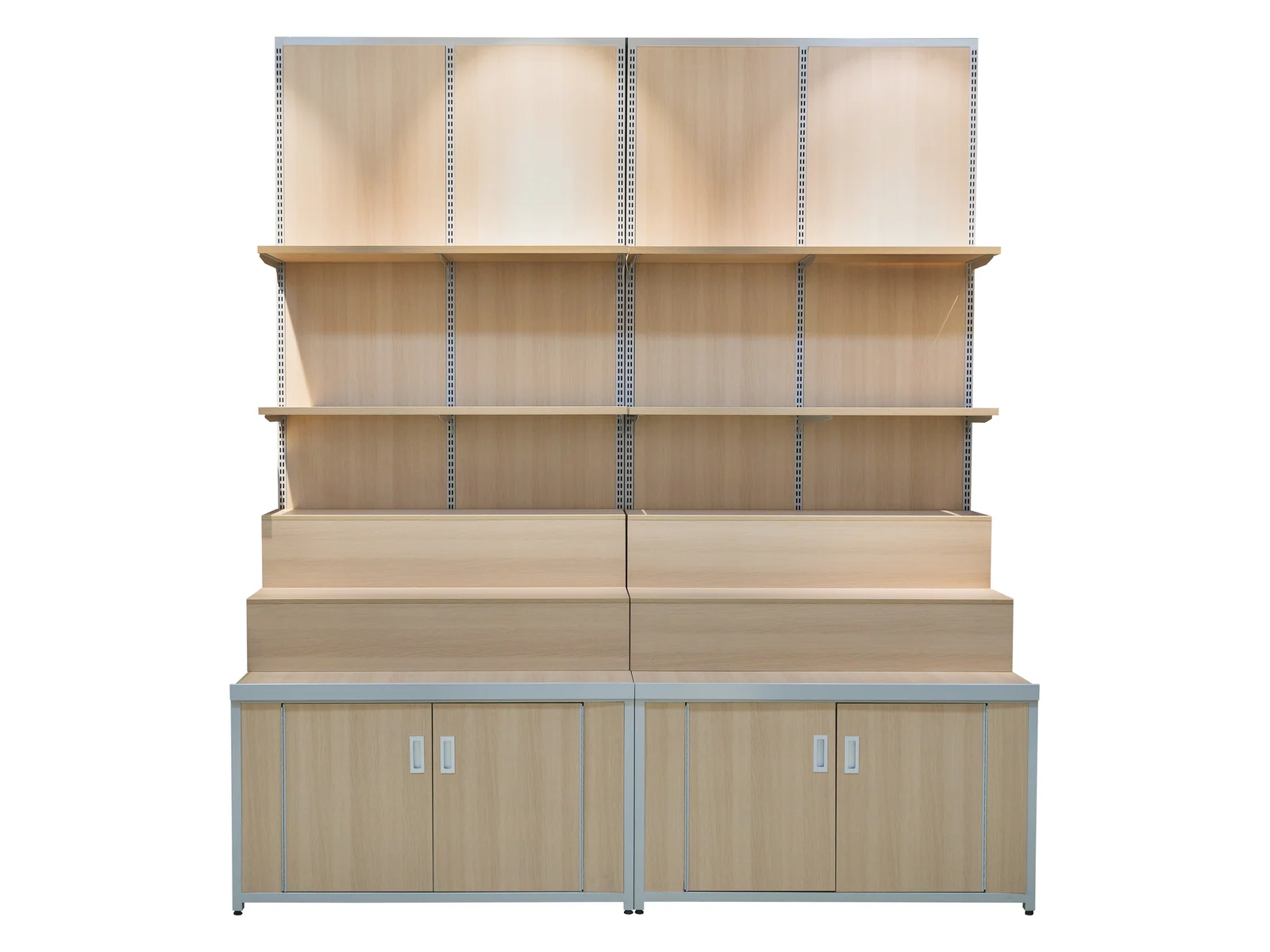
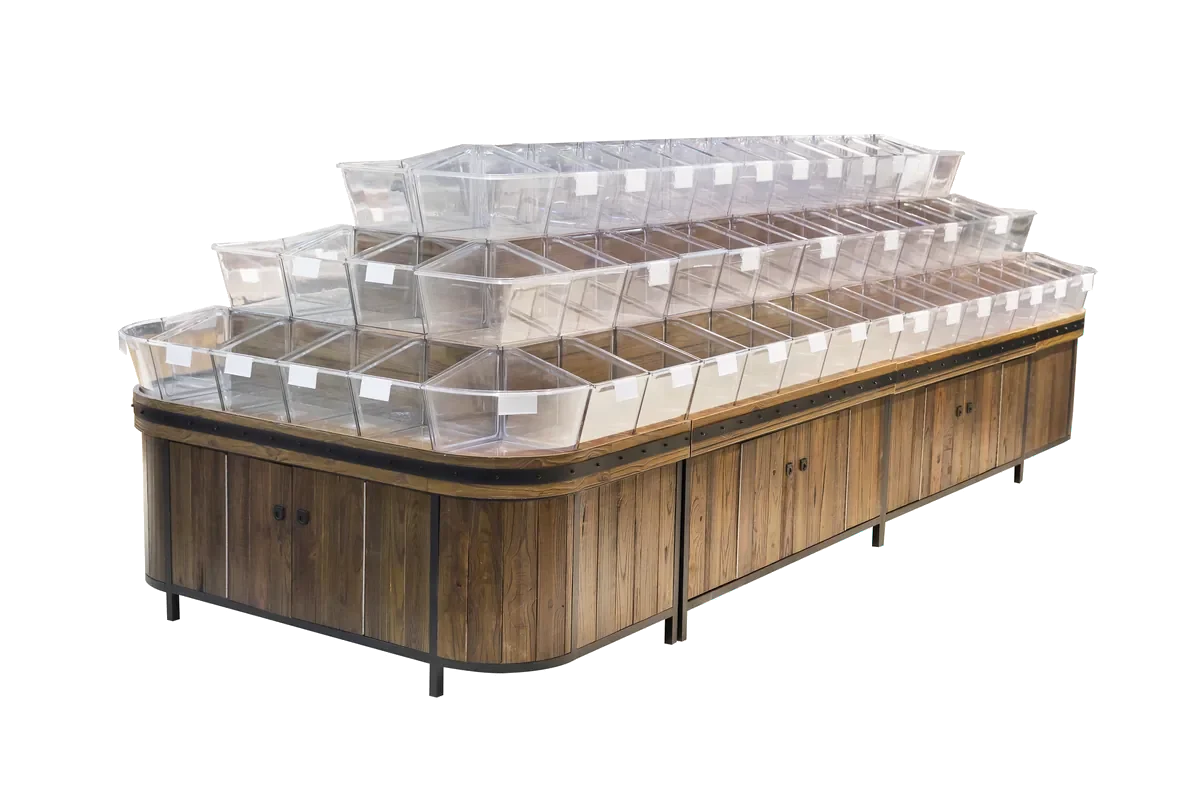
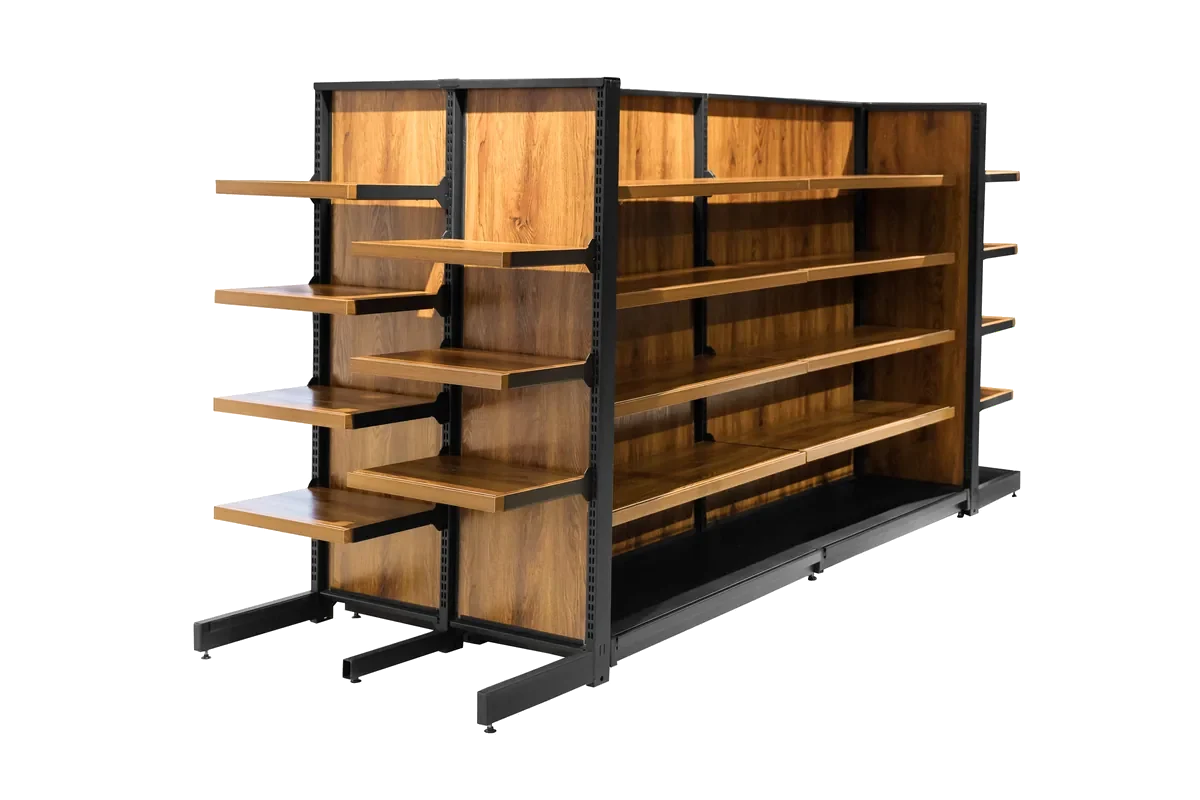
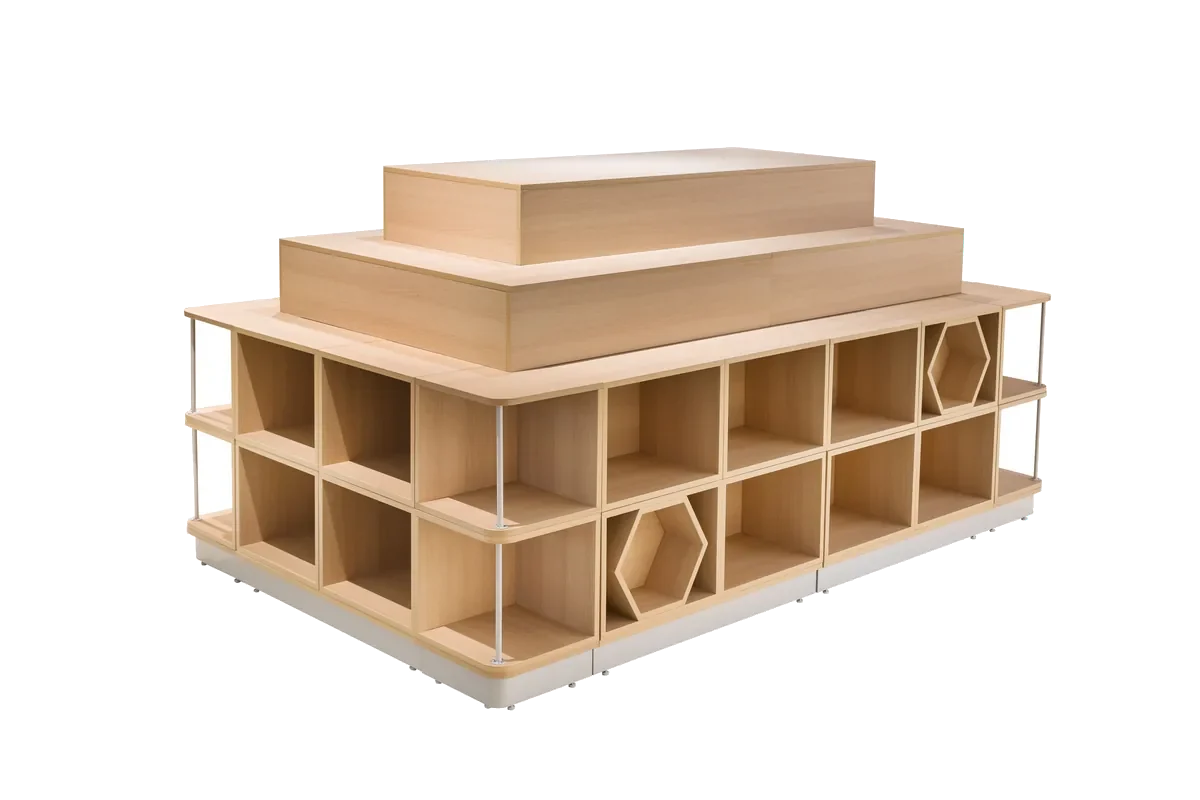
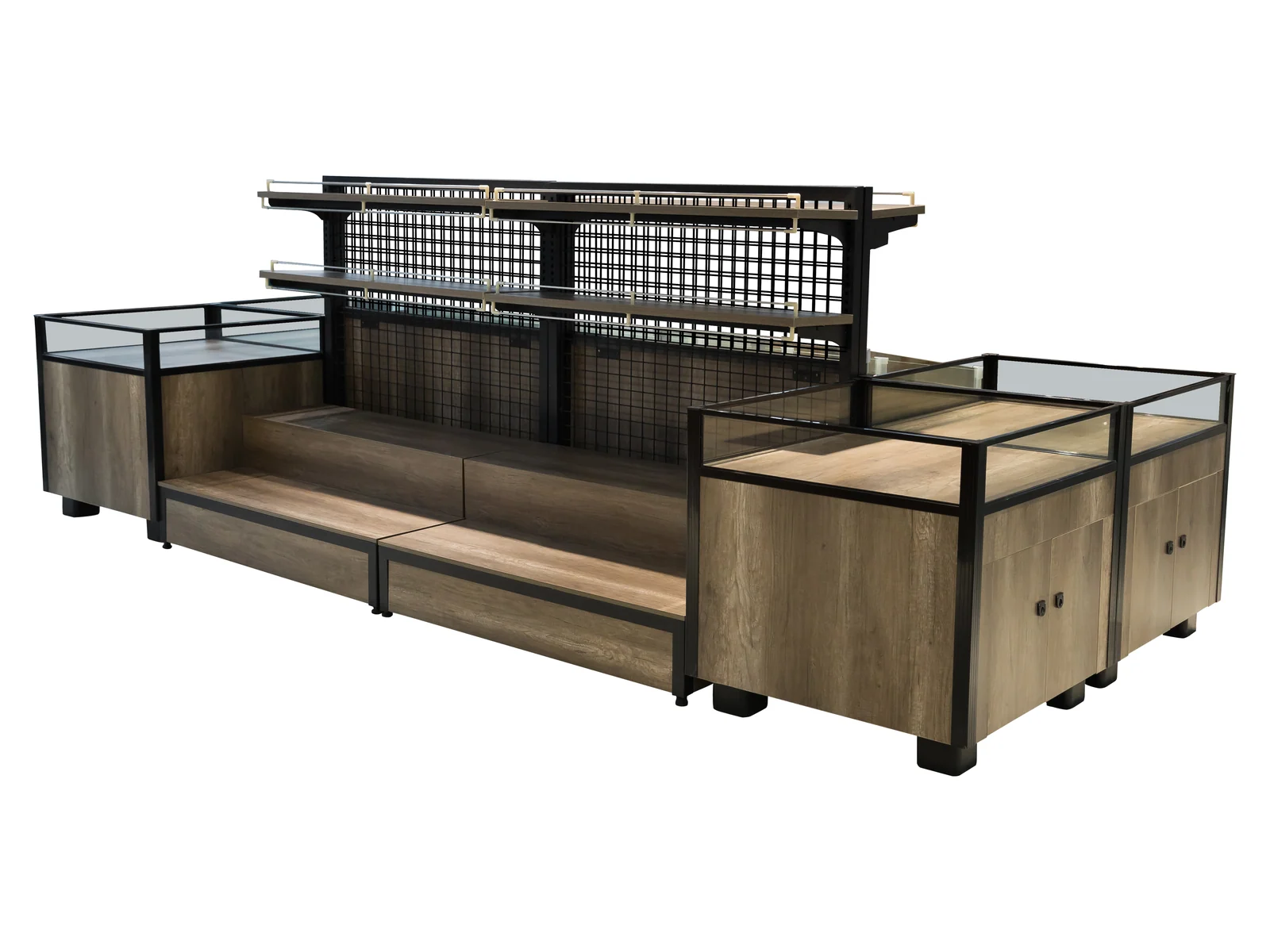
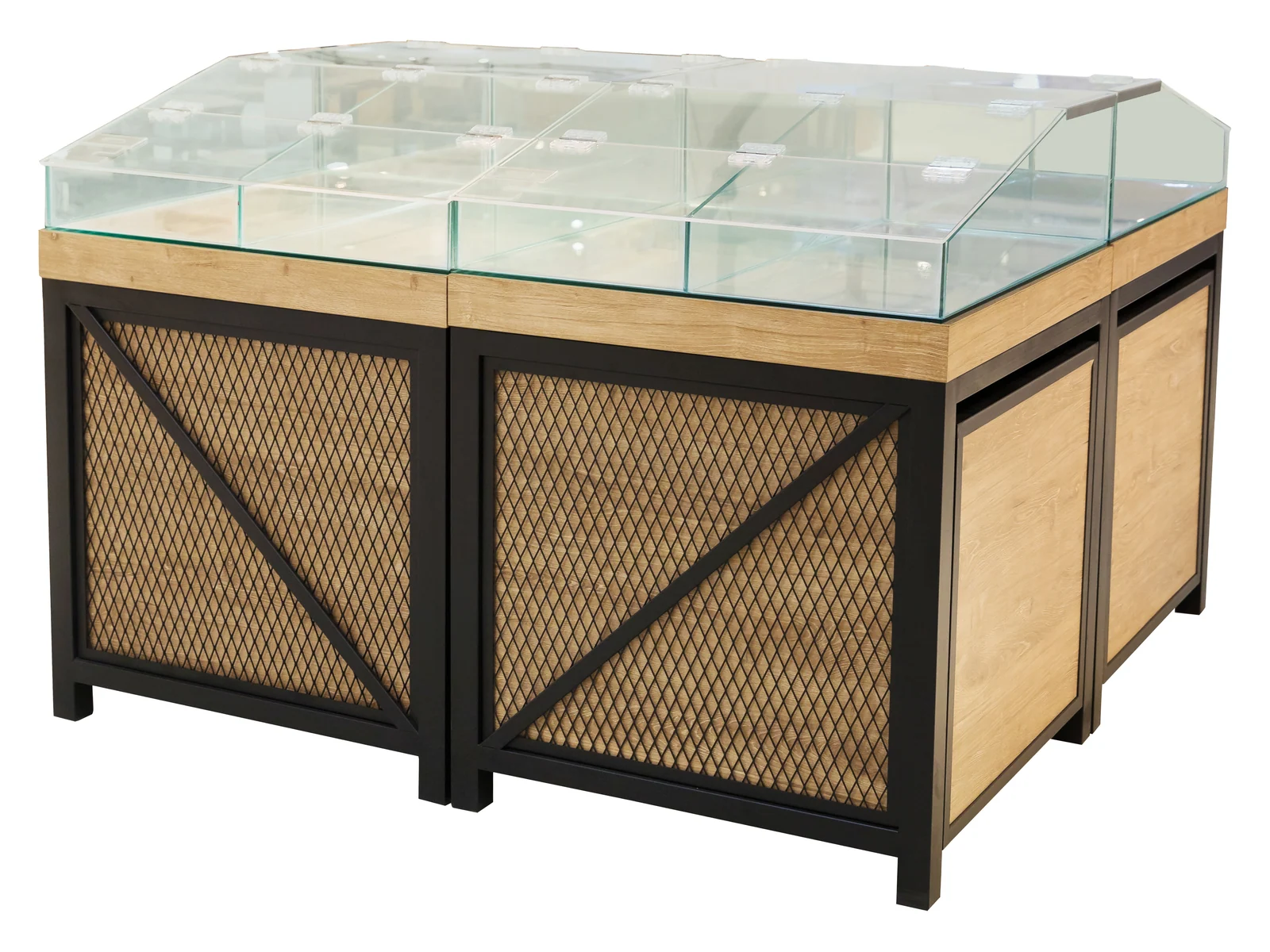
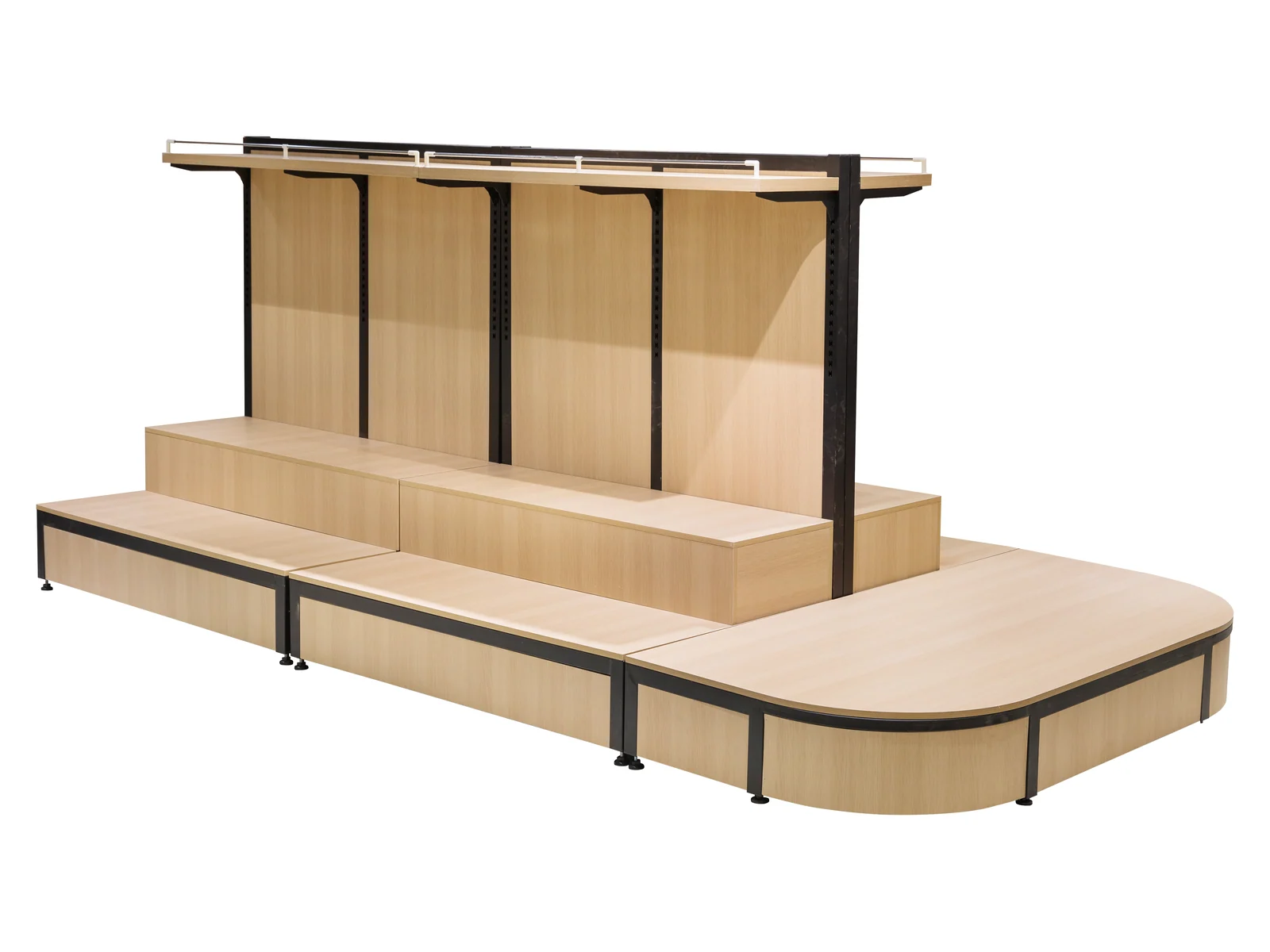
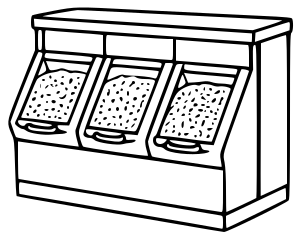
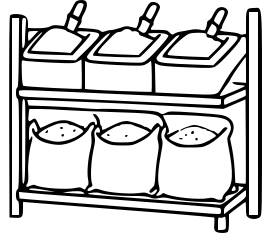
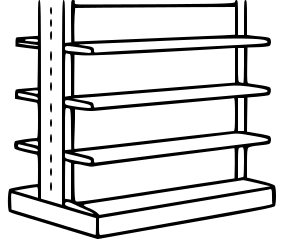
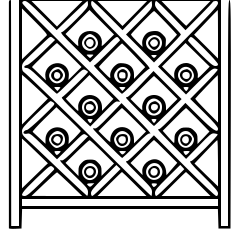
Studio angles on white. The cabinet doors, the shelf, the upright and the shelf-to-cabinet line are photographed below.
Not every store has a back room within reach of the aisle. This wall run puts closed cabinets under the shelving so the reserve for that department lives directly beneath the facings it feeds, and restocking becomes a matter of bending down rather than walking the length of the store with a trolley.
Above the cabinets it is the standard grain wall run: pale timber shelves on slotted uprights, adjustable at a regular pitch. The choice between this and the open-base version is simple and worth making deliberately — open base if you sell sacks, closed cabinets if you need the storage.
The closed-base version of the wall run: the same adjustable shelving above, but cabinets underneath instead of an open sack space, for stores whose reserve stock has nowhere else to live.
Supermarkets, convenience stores, chain retail and speciality stores. Tell us the store format and the floor area and the specification comes back written against them.
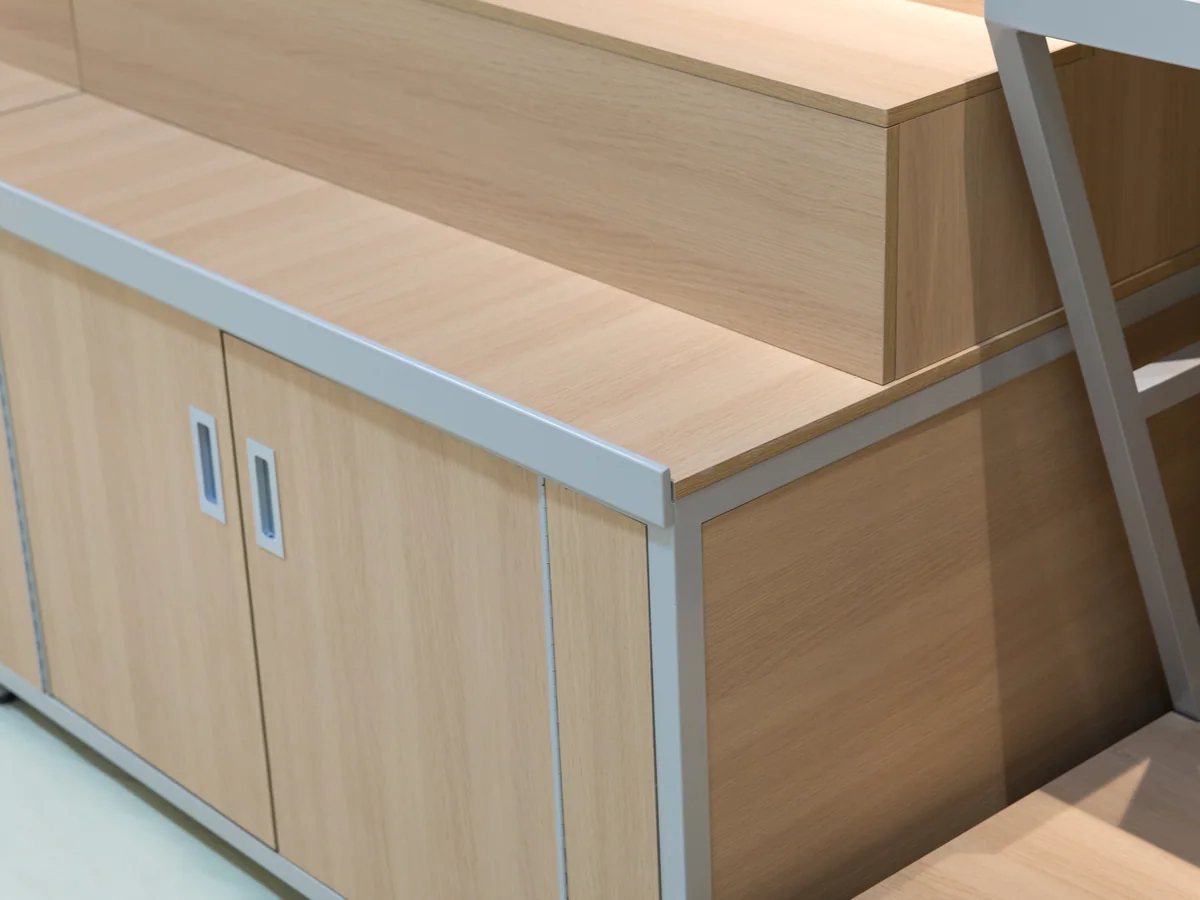
The base cabinets are what separate this from the open-base run, so two of these four are the cabinet.
Flush, recessed pulls
The doors sit flush with the carcase on recessed pulls. In a narrow aisle a protruding handle is what catches a coat or a trolley, so the whole base run is kept flat.
One continuous run
The shelving and the cabinets read as one fixture rather than shelving standing on a cupboard. The uprights carry through, which is what makes the line continuous.
Board on steel
Standard board shelves on the steel system. Nothing about the closed base changes how the shelving works, which is the point — the storage should not cost you shelf flexibility.
Regular pitch, full height
The uprights run the full height including behind the cabinets, so the lowest shelf can sit as close to the cabinet top as your range needs.
Every item on this page is made to order. Send a floor plan, a hand sketch or a photograph of a fixture you like, and we quote against it.
Store fixtures are light for their size, so a container fills up on volume long before it fills up on weight. What decides your freight is not what one unit weighs — it is what shape the goods are in when they go through the container door. Everything we build leaves in one of three shapes.
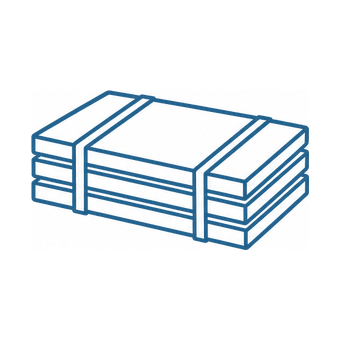
Shelving bays, produce islands and bulk cabinets travel as panels — uprights, shelves, back panels and plinths, strapped flat with bubble wrap on every component. They are built up on the shop floor, so the packing list and the assembly drawings travel with the goods.
This model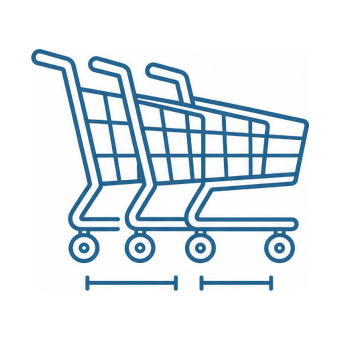
Trolleys slide into one another and baskets stack. Past the first unit, each extra one adds only its nesting pitch instead of its full length, so the shipped volume ends up a fraction of what the unit count suggests.

A checkout lane is welded, coated and fitted out as one piece, so it is crated whole with padding on the steel. Nothing waits to be assembled at the store beyond levelling it into the lane, and the crate is the counter plus a margin.
Grain racks flat pack as panels, bins and lids, so the container arithmetic runs on compartment count rather than on finished size. Two grain builds are on record — Grain Rack-Y01 in metal sheet with stainless board and Grain Rack-Y02 in 1.5 to 2.5 mm board — and neither is sold in a fixed size. The loading plan is worked from your compartment count and confirmed on the packing list.
Loose grain sits in the dry goods aisle and rarely arrives alone. These three share the aisle with it.
Loose grain and loose dry goods are one department to a shopper, and both want stainless wherever a scoop lands.
See bulk food binsSacked and packeted grain goes on the bays behind the loose fixture, and both carry the same board tone.
See shelving baysRice and grain are promoted on volume, and a square at the aisle head is where a bulk buy actually gets sold.
See retail display tablesHow many of each a store needs is a floor area question rather than a product question, and it is answered store by store on the equipment lists by store size.
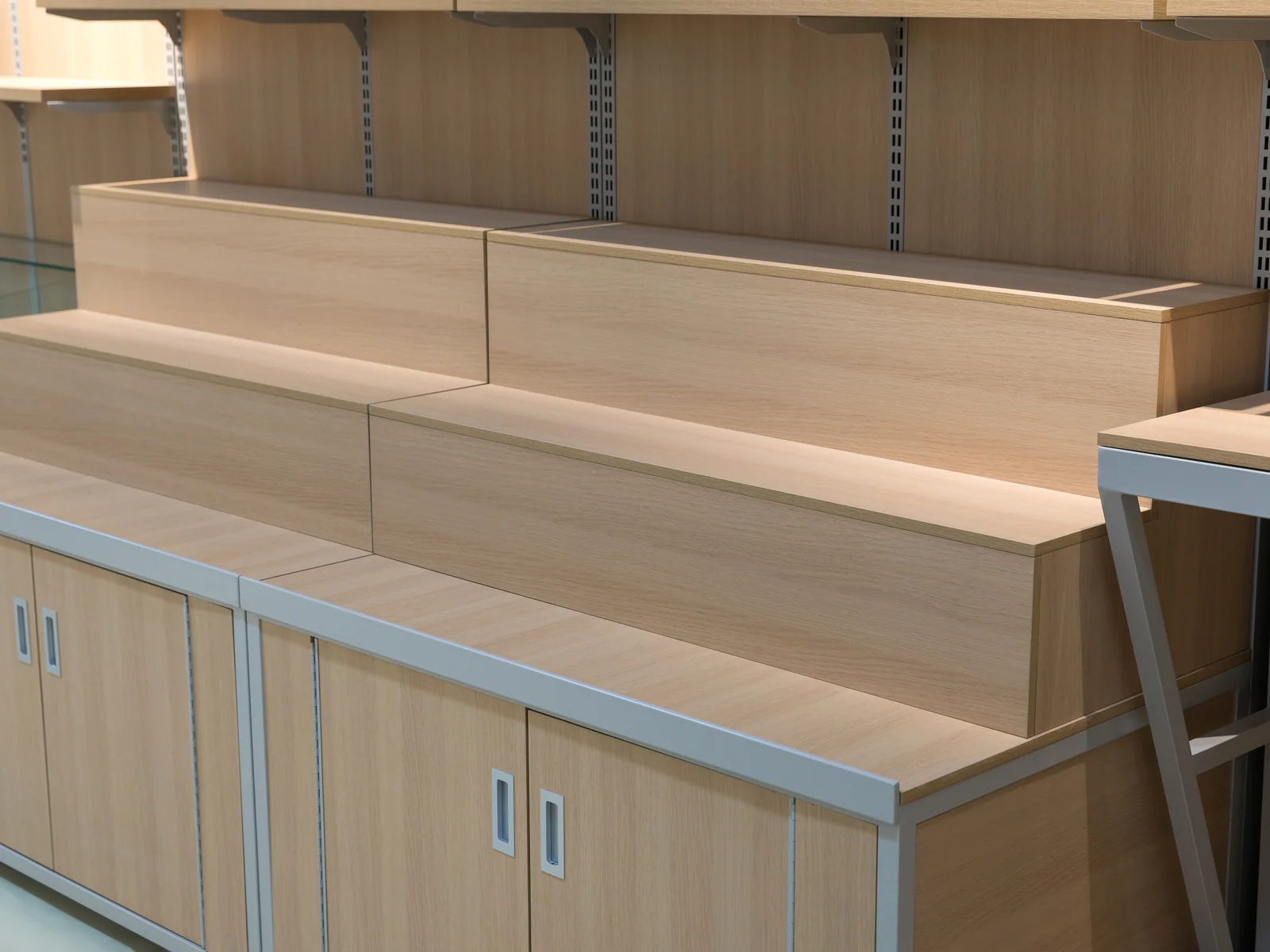
Open base or closed cabinets: it comes down to whether you sell sacks.
Tell us whether you sell sacked grain and whether you have back-room storage near the aisle. Those two answers decide between this and the open-base run.
The four that come up on nearly every enquiry for this build. If yours is not here, send it with your layout and it is answered alongside the quotation.
Open base if you sell sacked grain, closed cabinets if you do not and your back room is far from the aisle. It is one of the few decisions in this category with a clear right answer, and it depends on your range rather than your taste.
Reserve stock for the shelving above, and how it is fitted out depends on what that is. Shelves, dividers or nothing at all — so it is drawn against what you store there.
Locks are fitted where a store asks for them. It is not standard here because the base is reserve stock rather than valuables, but on a run near an entrance it is worth having.
Yes, and it is a sensible arrangement — cabinets where the packets are, open base where the sacks are. Both run on the same system so the shelving and the finishes carry straight across.